Showing posts with label July 19. Show all posts

Wednesday, July 18, 2018

A Brazilian Artist Installed a Giant Sculpture in Zurich’s Central Station

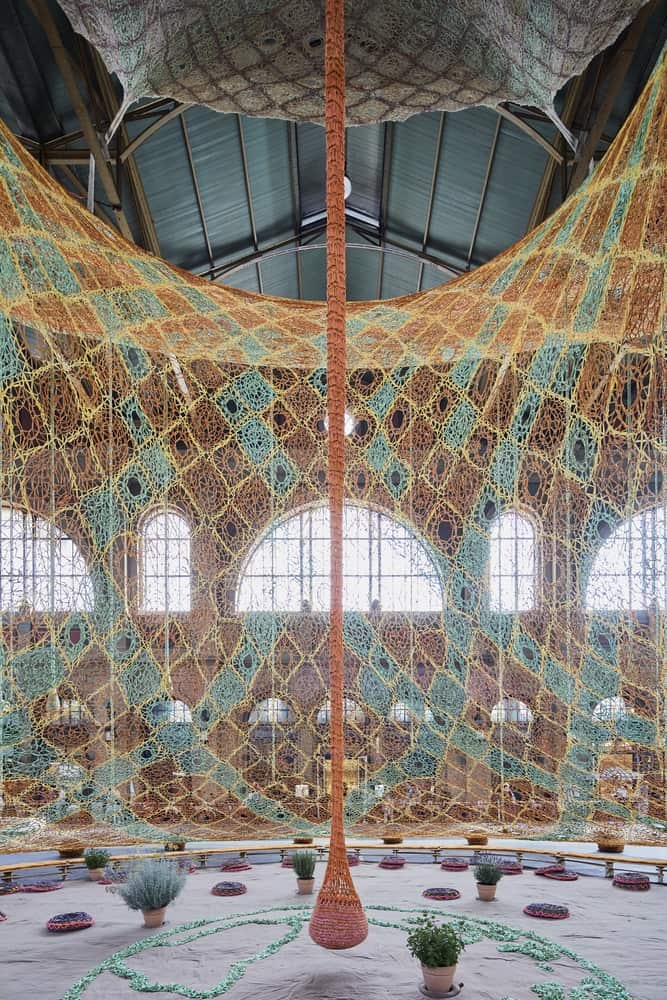
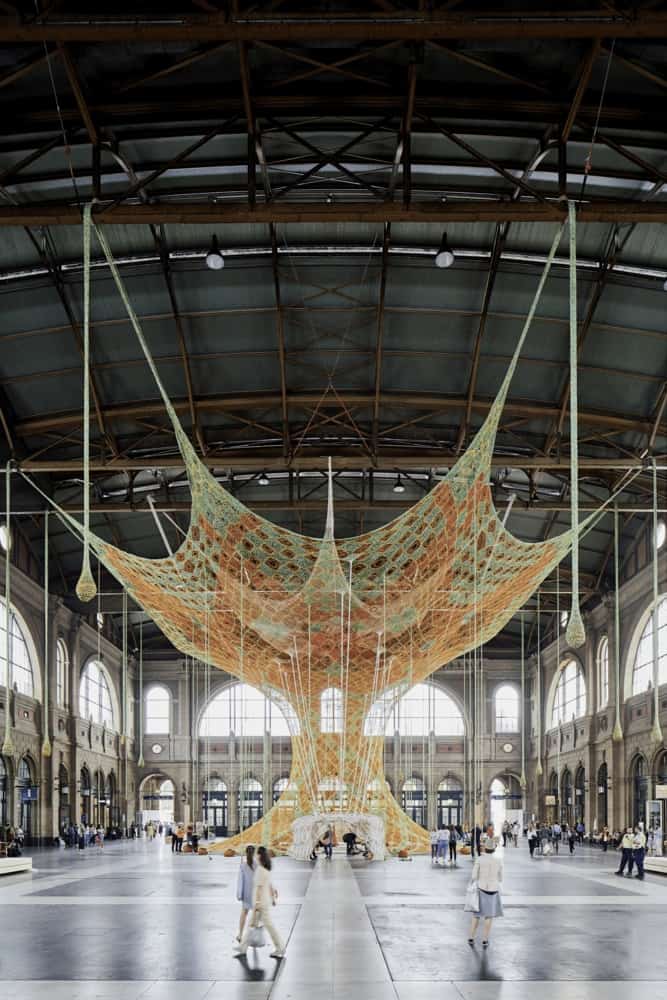
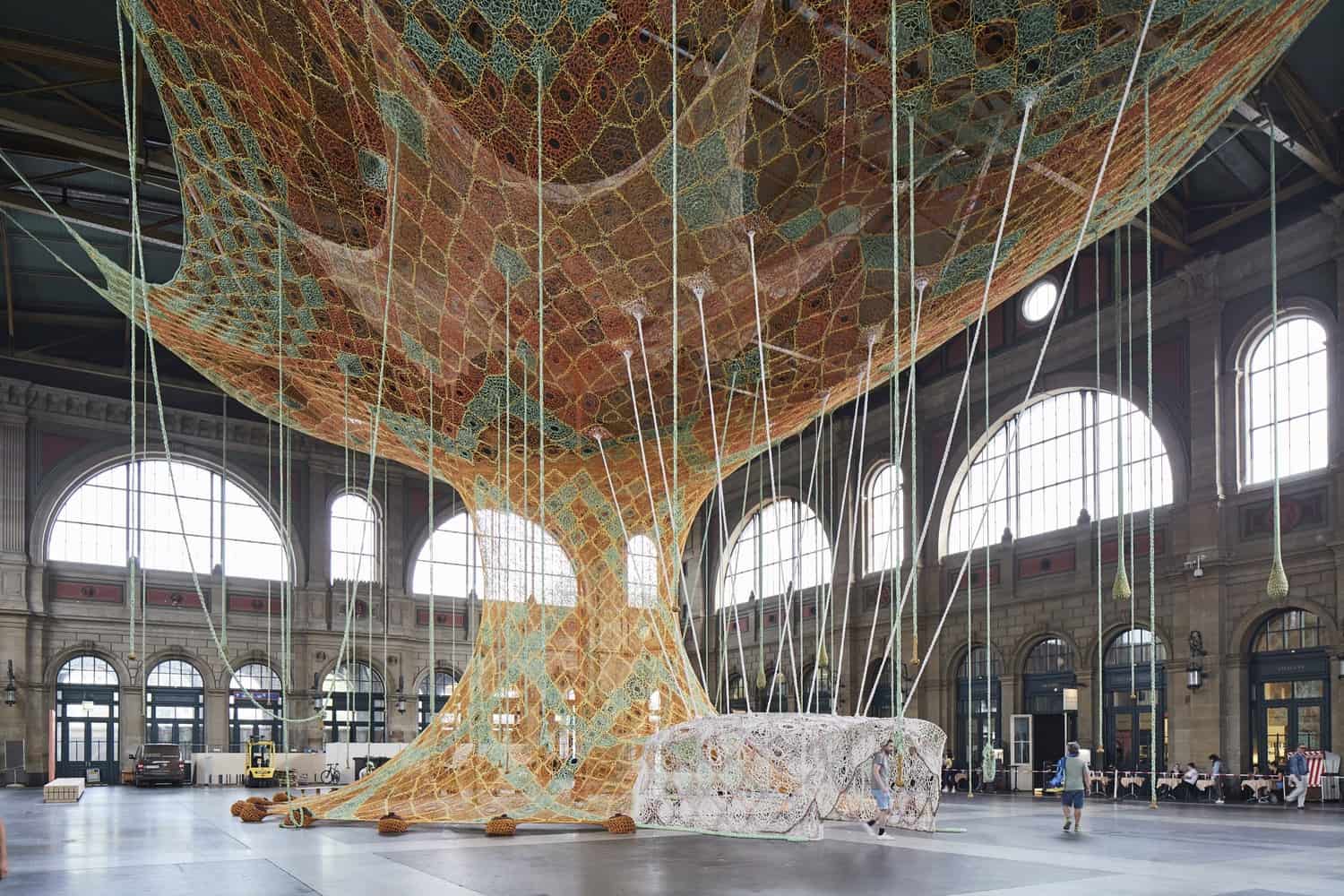
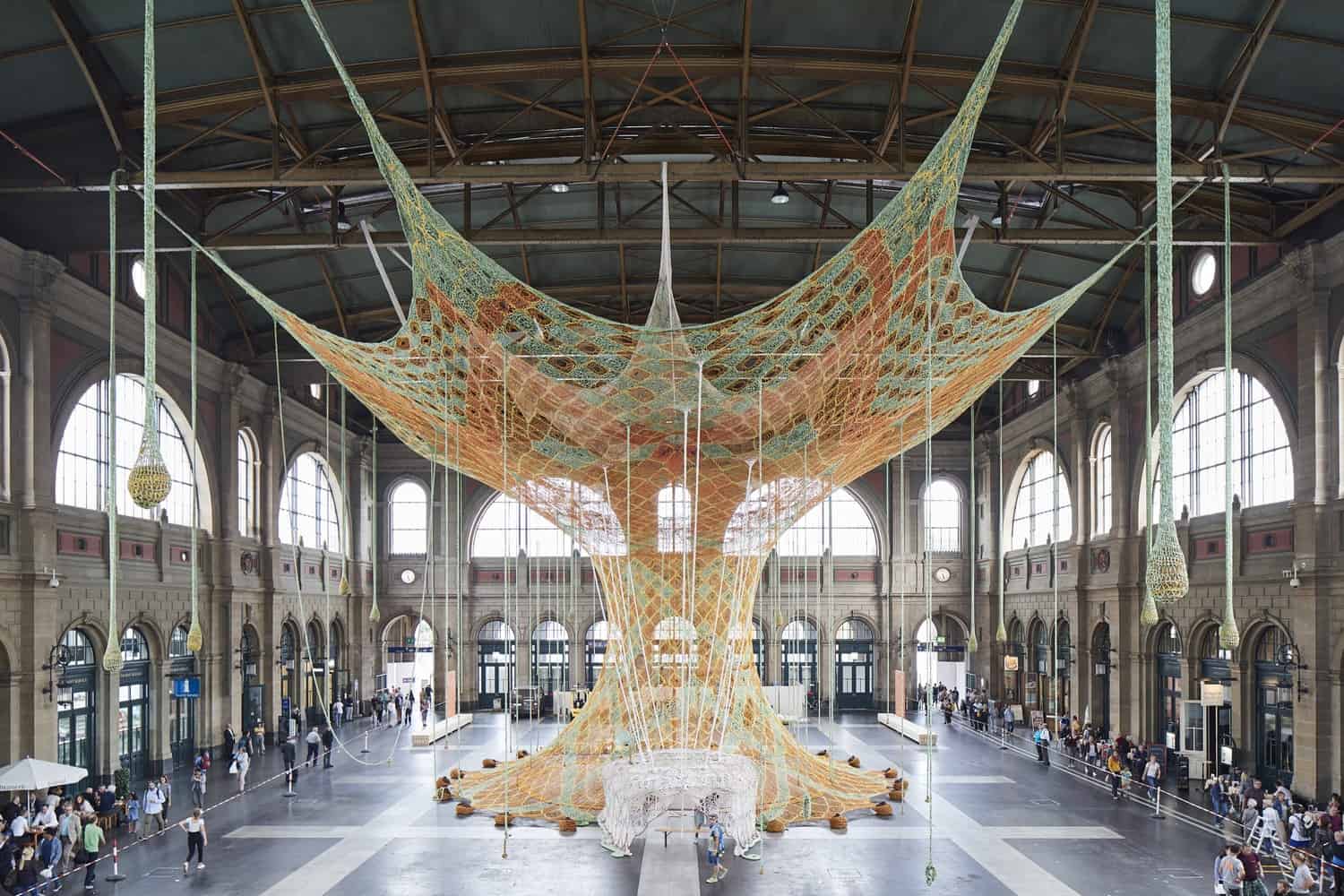
Brazilian contemporary artist Ernesto Neto recently realized a vibrant sculpture made of hand-knotted cotton strips in the atrium of Zurich‘s Central Station. Titled Gaia Mother Tree, the installation looks like a giant tree and extends out of the channel’s roof to its floor.

Exhibited by the Fondation Beyeler, Neto‘s sculpture is an immersive work of art, a space that one can enter and walk around or remain and meditate. A series of activities for adults and kids, including musical concerts, workshops and arguments, is scheduled to happen under the net of cotton.

Sam Keller, director of the Foundation Beyeler, estimates that almost a half-million visitors will pass through the channel and, consequentially, the sculpture. This would make Gaia Mother Tree the most seen work of art in the history of Switzerland.

Ernesto Neto is one of the most internationally recognized Brazilian artists, and his works, among other matters, issues related to spirituality, humanism, and ecology. Strongly influenced by the neo-concrete motion of the 1960s, minimalist and conceptual artwork, Neto‘s creation was characterized by his use of techniques and materials not as familiar to artwork – from natural objects to knowledge and craft of native peoples.

To see the video and learn more about Gaia Mother Tree, take a look at the Foundation Beyeler webpage. And look at the photographs taken by visitors using the hashtag #beyelerneto.
H/T World Art Foundations and Artnet.

The post A Brazilian Artist Installed a Giant Sculpture in Zurich’s Central Station appeared first on FREEYORK.

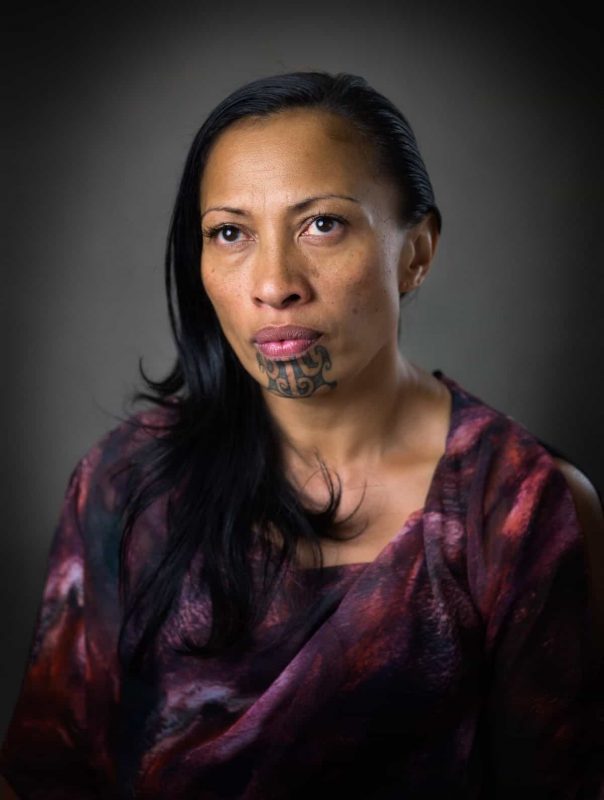
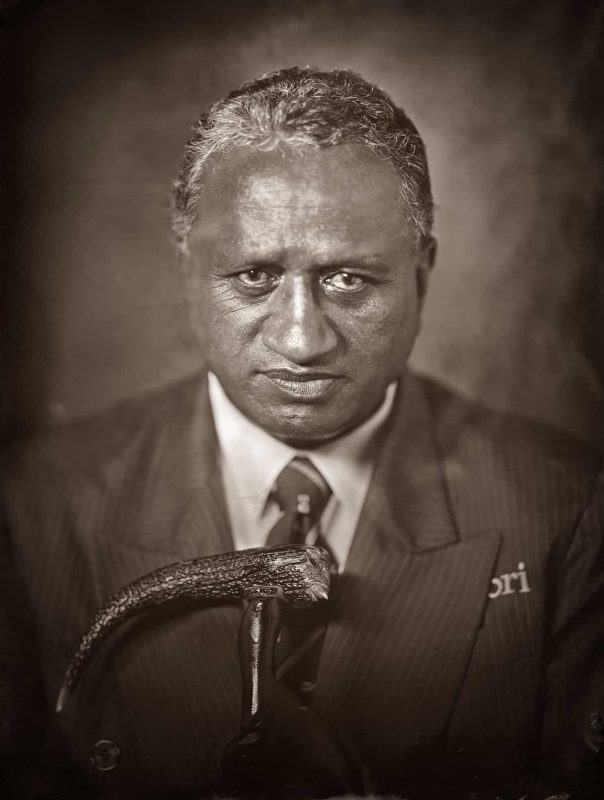
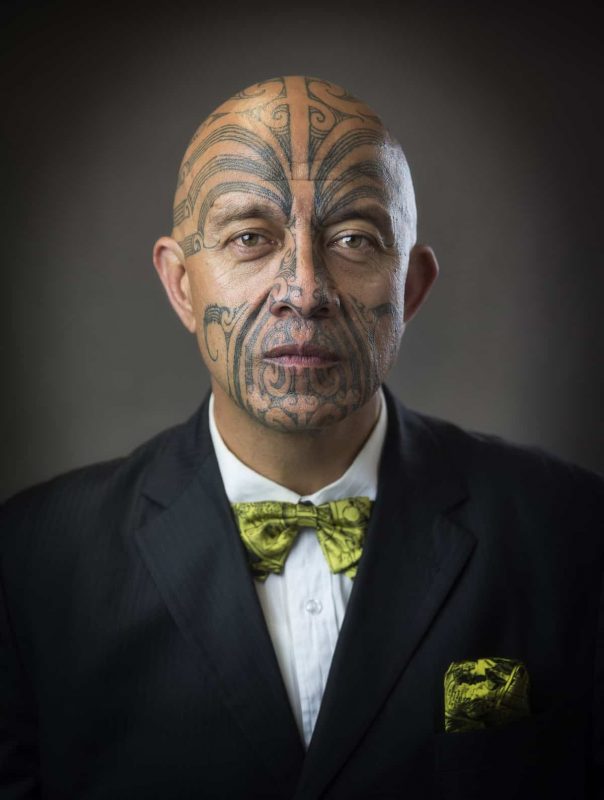
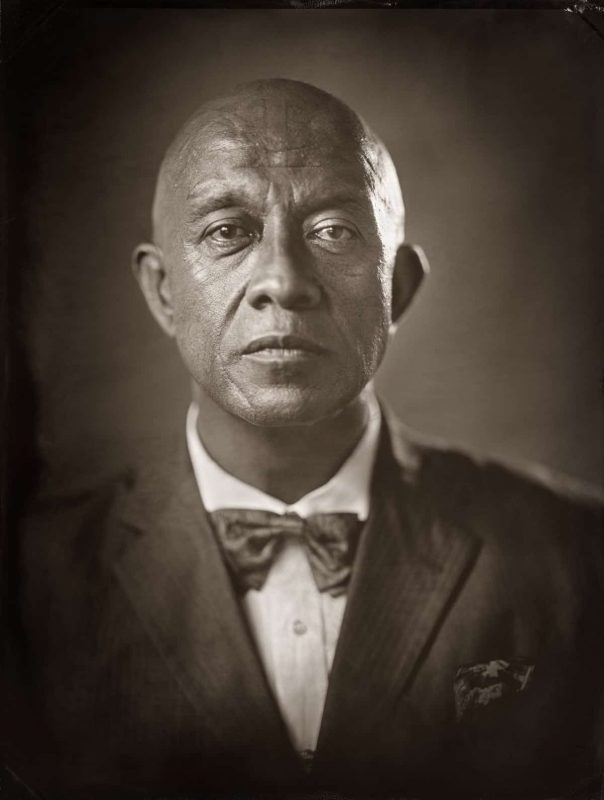
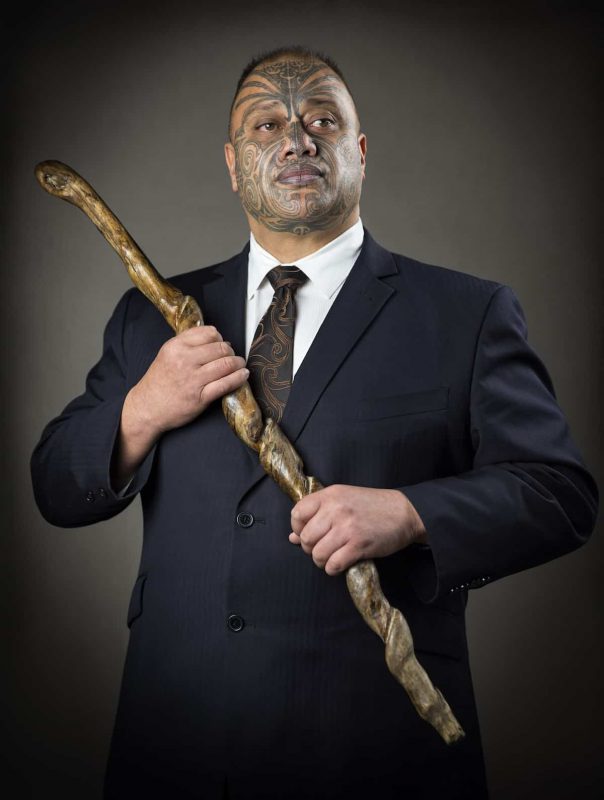
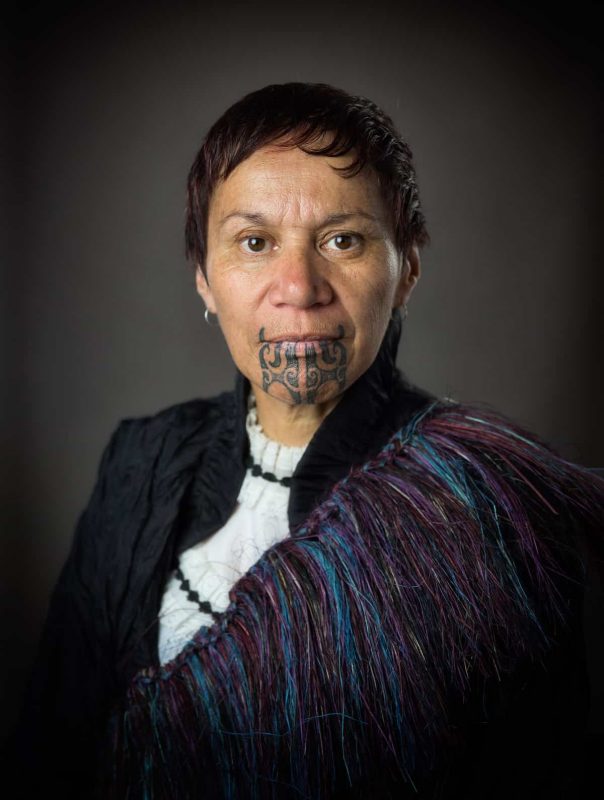
A Photographer Reimagines Māori People Without Traditional Tattoos in Wet Plate Portraits

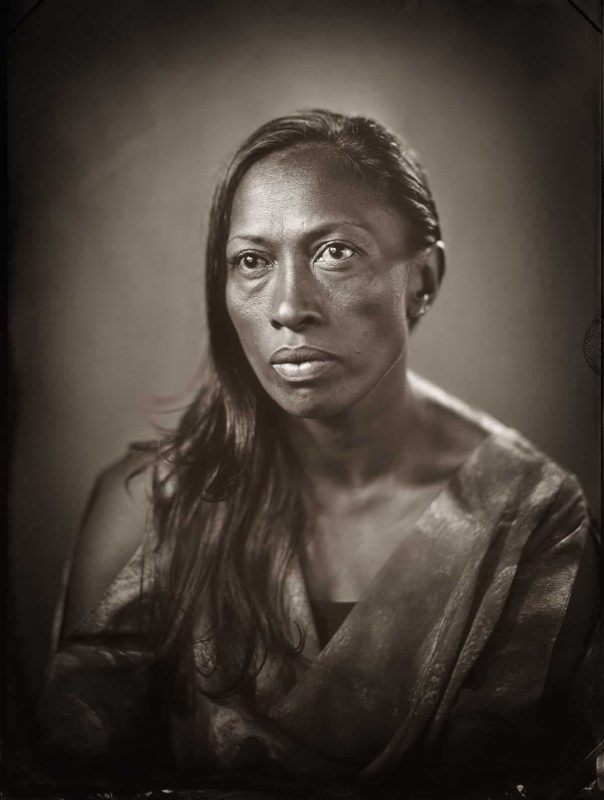
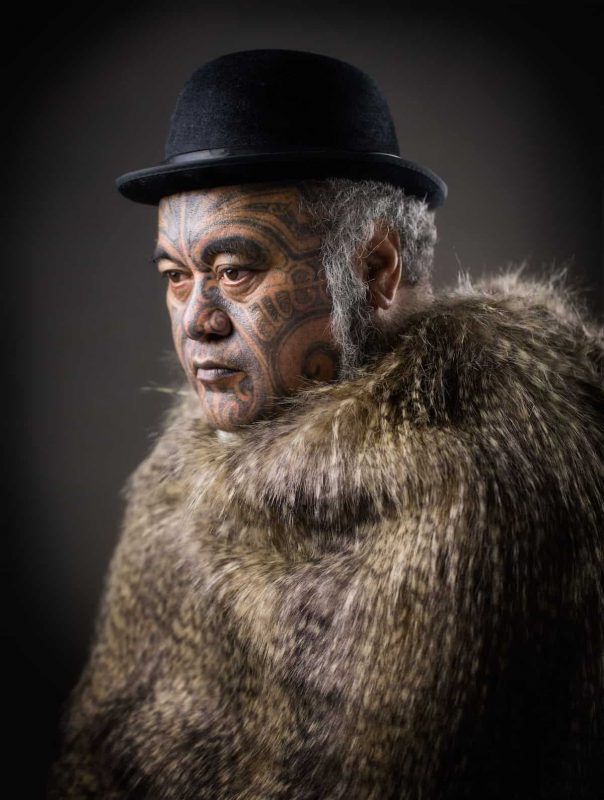
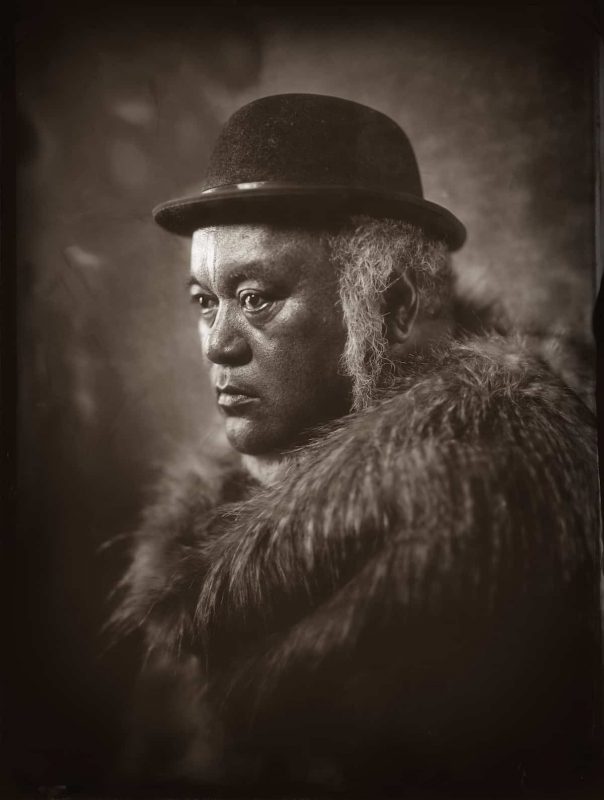
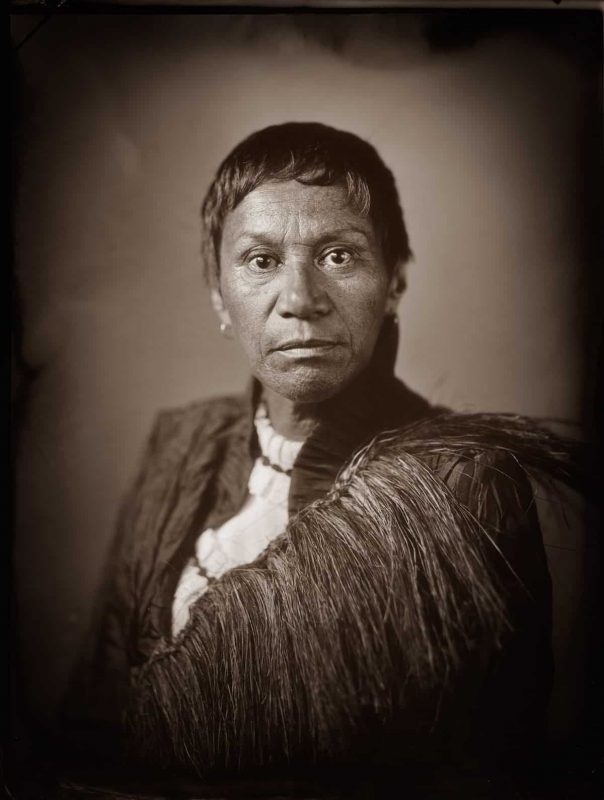
Influenced by wet plate portrait photography of the past, photojournalist Michael Bradley‘s Puaki is an observation of the Māori culture.
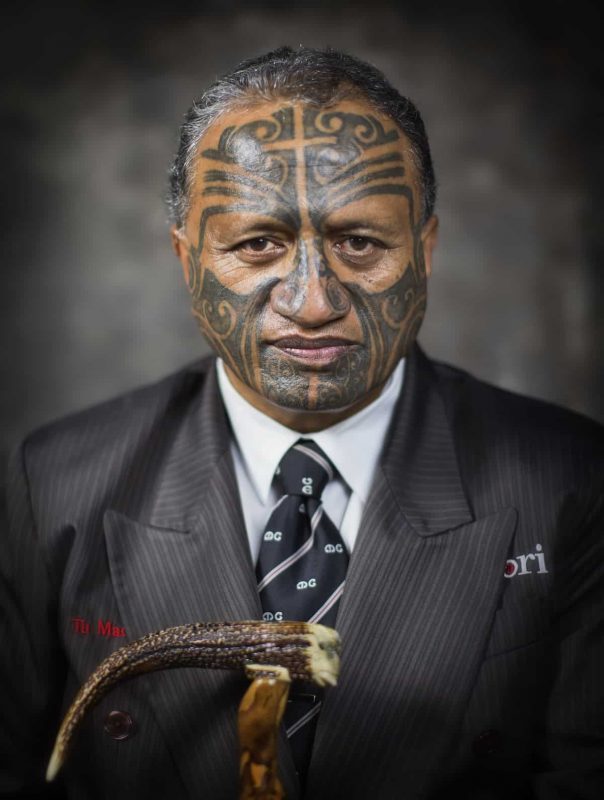
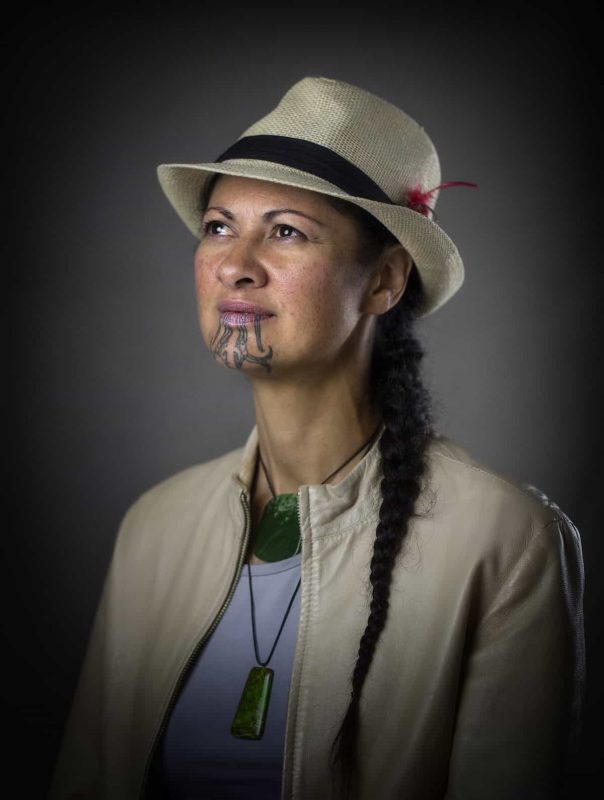
Specifically, Bradley investigates tā moko, the permanent markings on the body and face practiced by New Zealand‘s indigenous civilization. Together with his collection of gorgeous portraits, he recalls the near erasure of this significant cultural heritage.

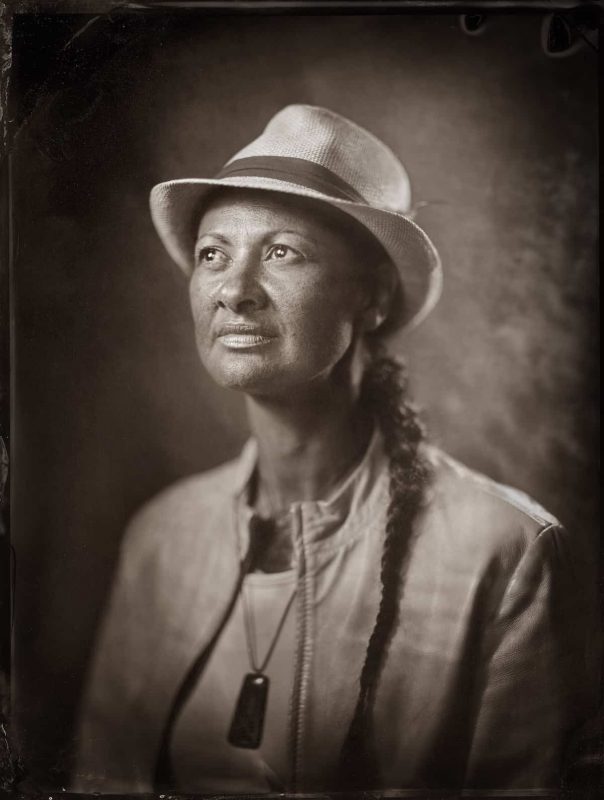
Bradley, who has been practicing wet plate photography because 2013, first stumbled upon the idea for Puaki when considering damp plate pictures in which people’s tattoos often didn’t appear. This is a spark to investigate the background of tā moko and create the long-term job.

“In Māori civilization, it’s thought everyone has a tā moko beneath the skin, just waiting to be disclosed,” writes the Te Kōngahu Museum of Waitangi. “The difficulty is, when photographs of tā moko were originally taken in the 1850s, the antiques hardly showed up at all. The wet-plate exact method used by European settlers functioned to erase this cultural mark –and as the years went by, this proved accurate in real life, also. The ancient art of tā moko was suppressed as Māori were assimilated into the colonial world.”

Tā moko has witnessed a resurgence since the 1990s along with the pride every player takes in their mark is apparent in Bradley’s photographs. By comparing the digital and moist plate photographs, it is clear that tā isn’t only about private expression, but a cultural mark that is worn with dignity.

Puaki that means”to come forth, show itself, start out, emerge, disclose, to give testimony,” is Bradley’s way to plant a seed with the public. He expects they will learn more about tā moko and the way Māori culture forms an integral element of contemporary society. Practically erased from the pages of history, the practice is a demonstration of how cultural customs will continue to flourish in the modern era.

The post A Photographer Reimagines Māori People Without Traditional Tattoos in Wet Plate Portraits appeared first on FREEYORK.
An Artist Creates Insects from Salvaged Objects Found in The American Southwest

Raku Inoue recently looks an elongated road trip to several destinations in the American Southwest. During his journey, he created a scorpion-shaped arrangement out of seeds, sticks, along with a pepper discovered at Antelope Canyon in Arizona, and used a fallen cactus segment near Horseshoe Bend as the abdomen in a prickly tarantula. Other creations created with discovered natural elements throughout Inoue’s trip including a turtle bug, red ant, and centipede.

Lately, Inoue created a monochrome stag beetle and Monarch butterfly to get a short film in cooperation with CBC Arts. The artist has also started to dig into three-dimensional versions of his found flora creations, building armatures to get a gorilla, water buffalo, and tiger. More foraged creations are on his Instagram.

H/T thisiscolossal

The post An Artist Creates Insects from Salvaged Objects Found in The American Southwest appeared first on FREEYORK.
A Photographer Transforms California Landscapes Into Abstract Dreamscapes

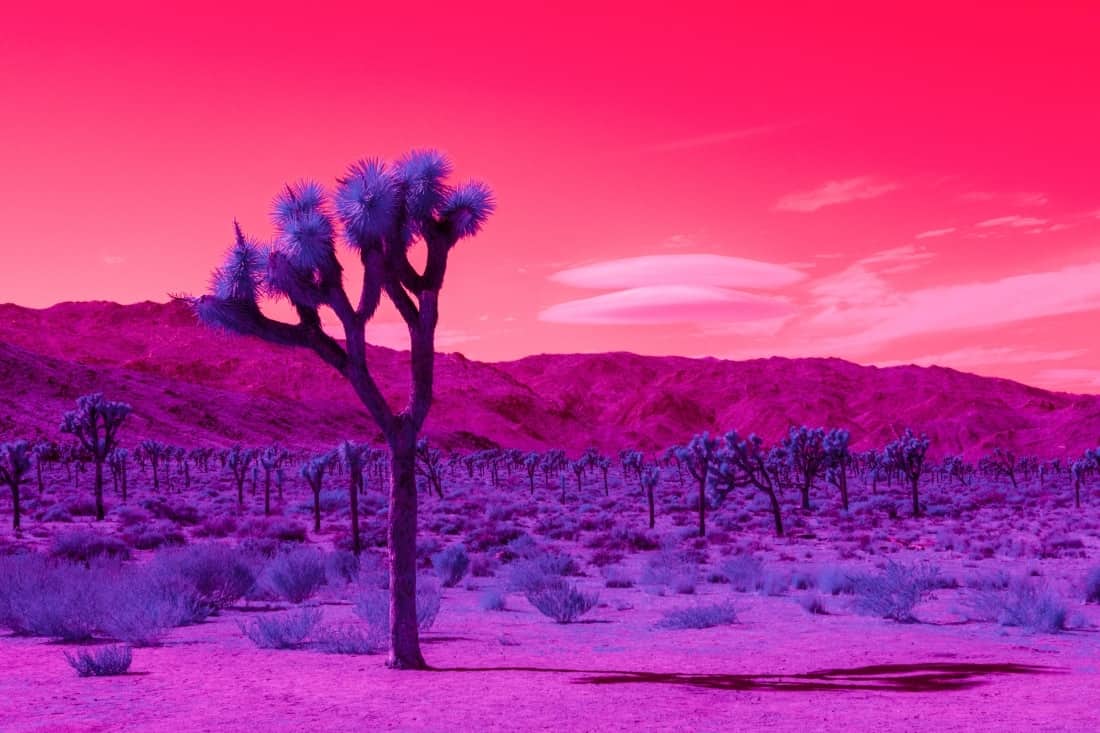
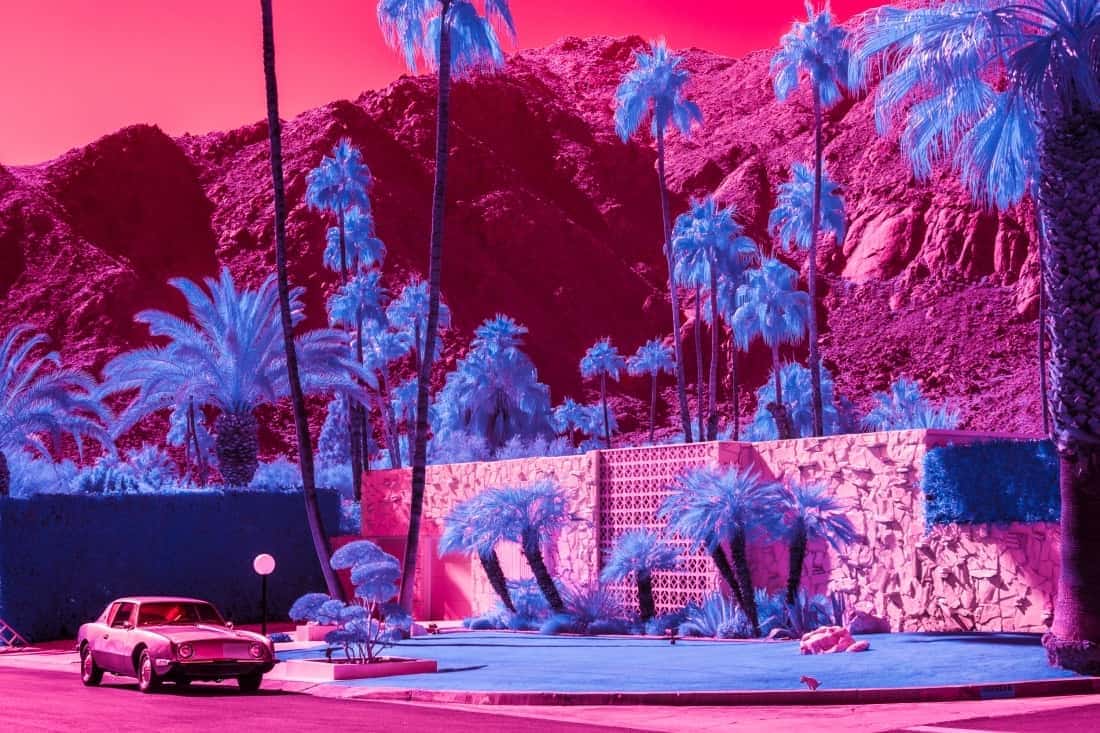
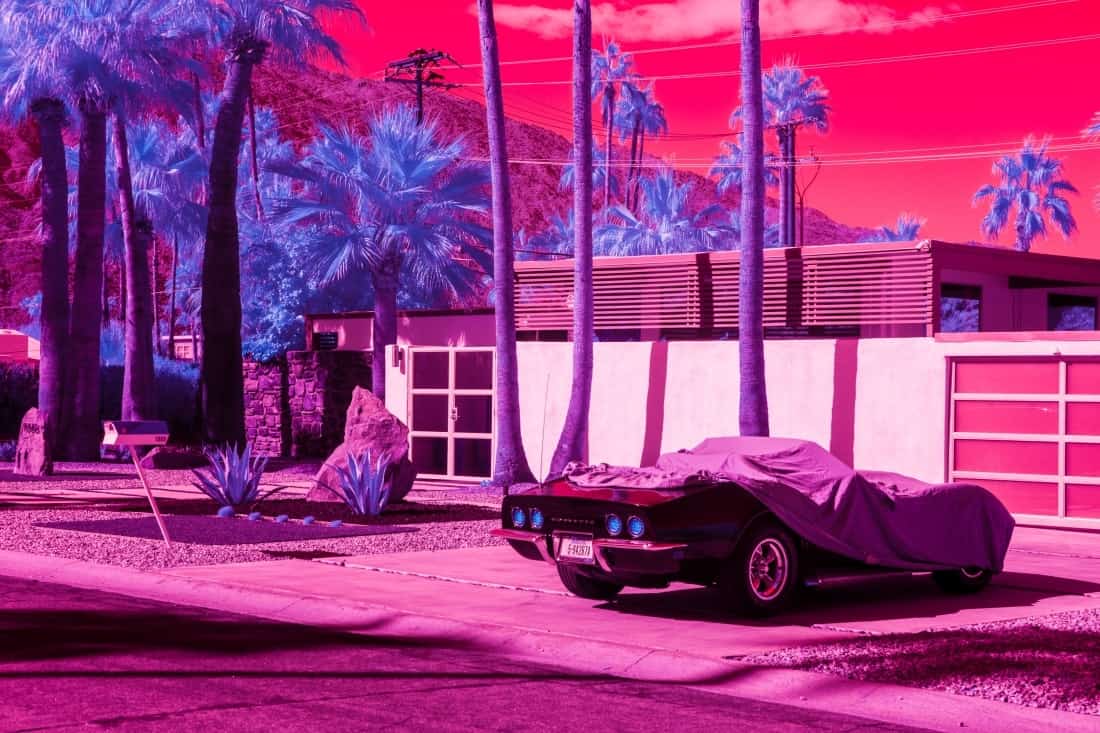
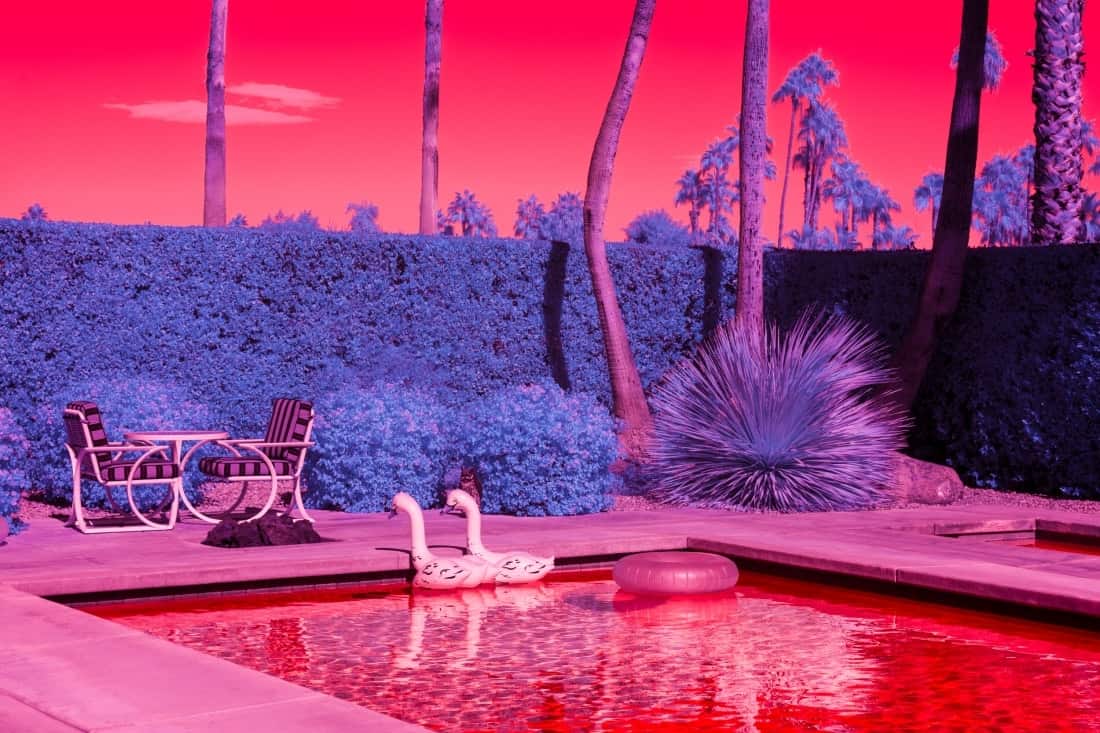
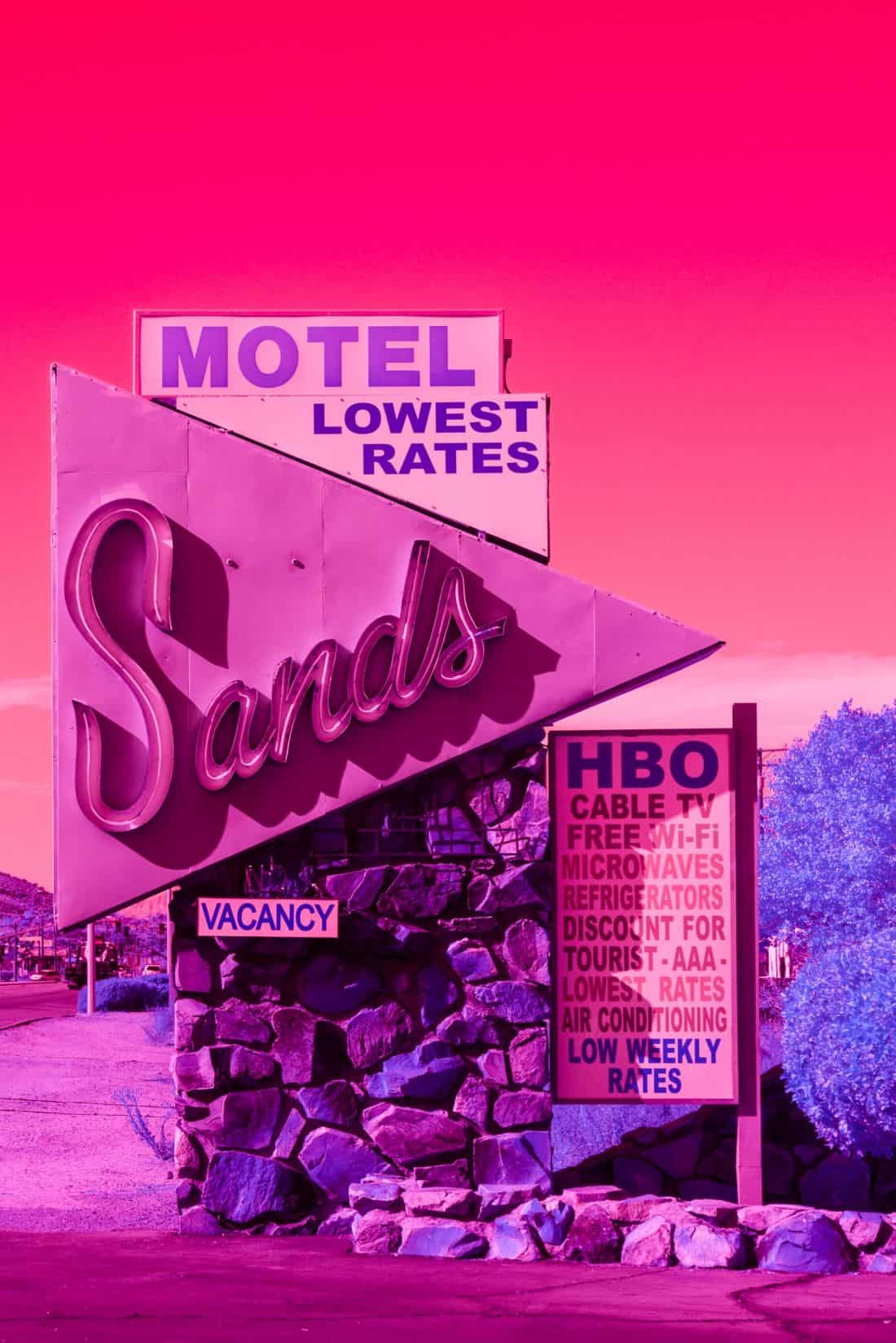
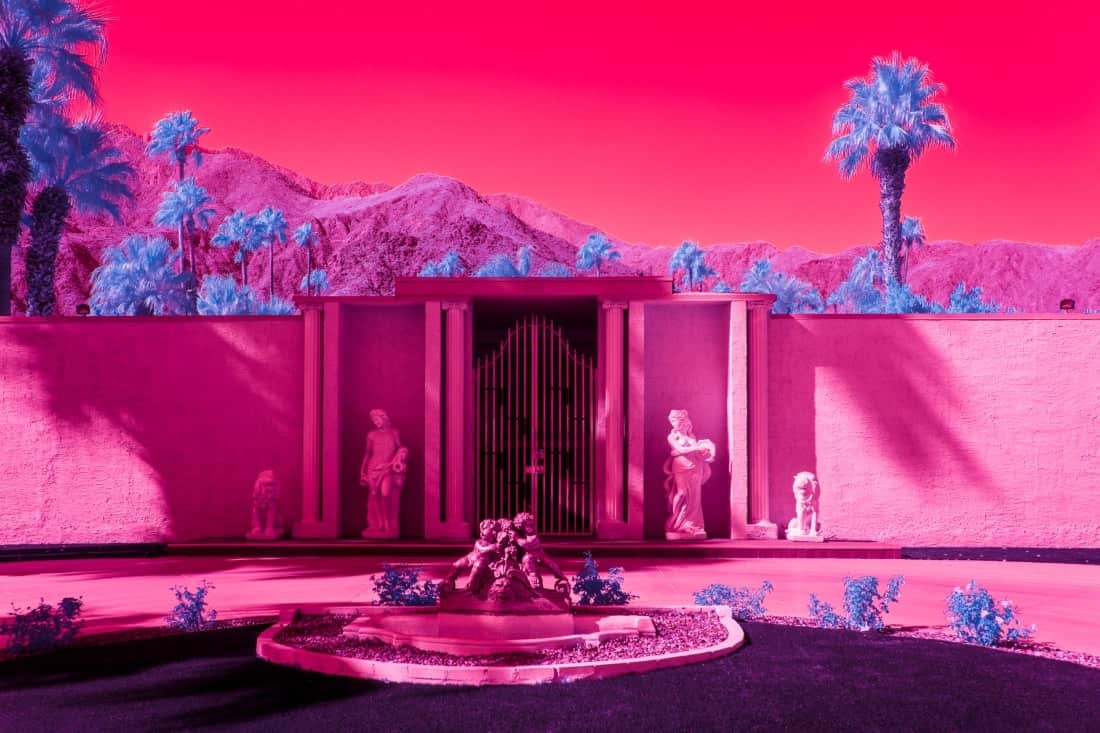
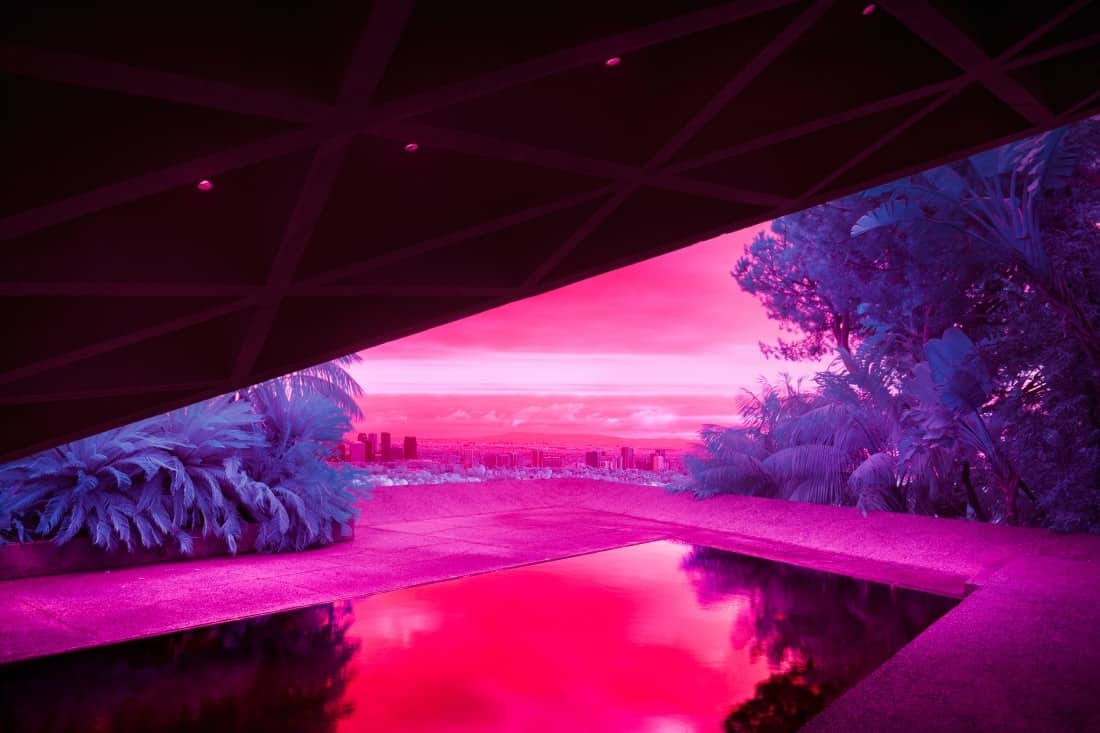
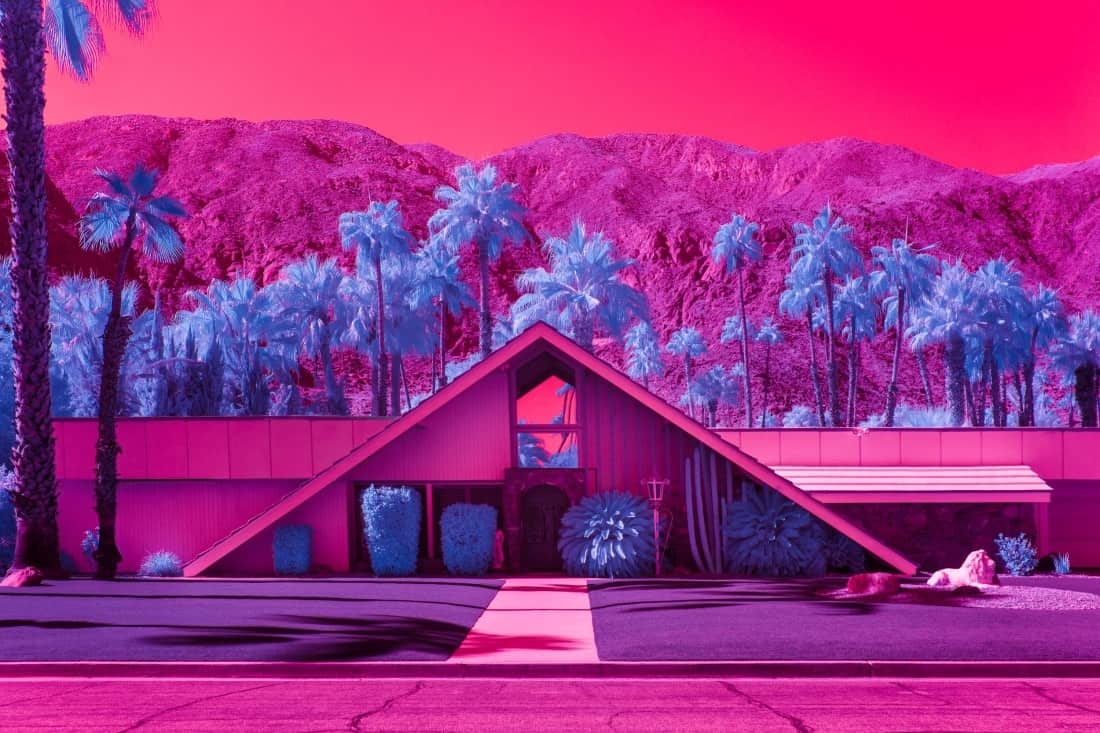
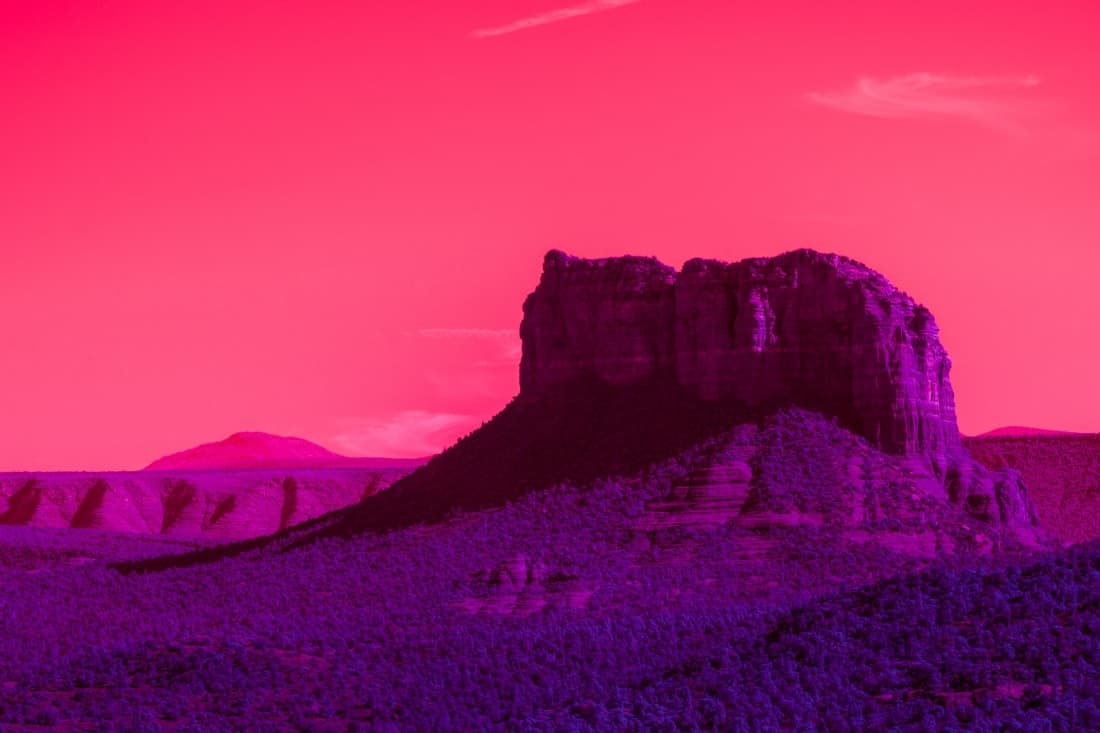
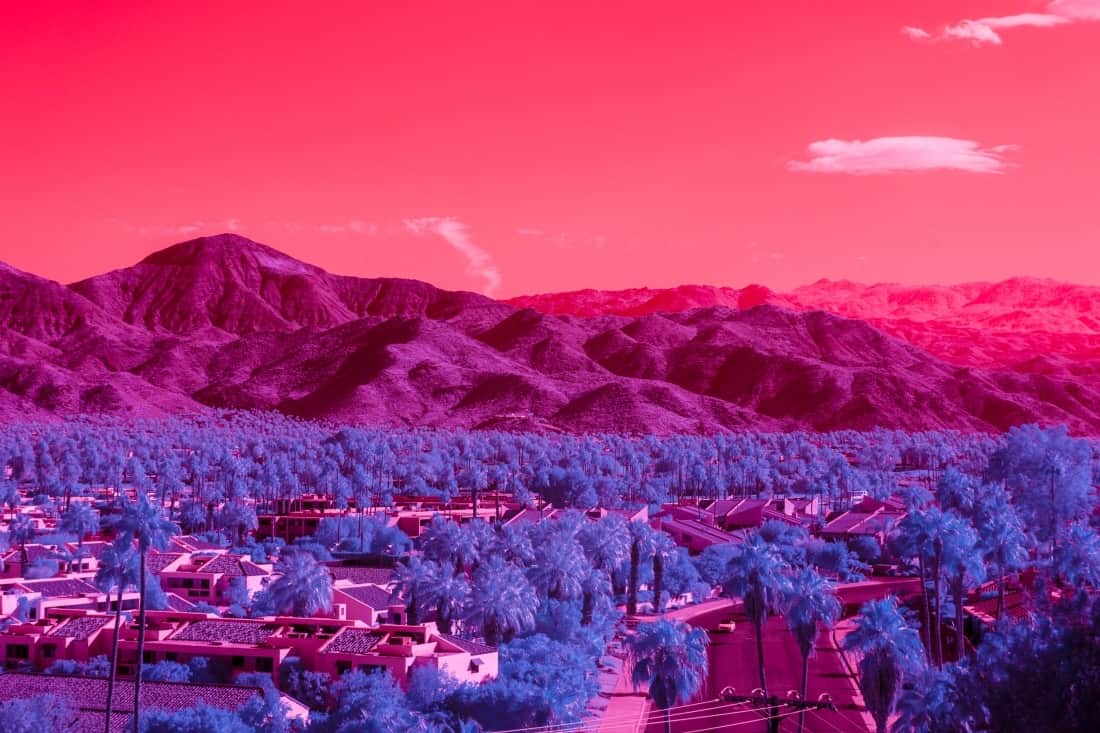
Inspired by Richard Mosse’s groundbreaking infrared documentary collection, Infra Realism by Kate Ballis features powerfully alluring photographs that transform familiar southern California archetypes — modernist architecture, pools, vintage cars and desert scenes — to otherworldly candy-colored dreamscapes.
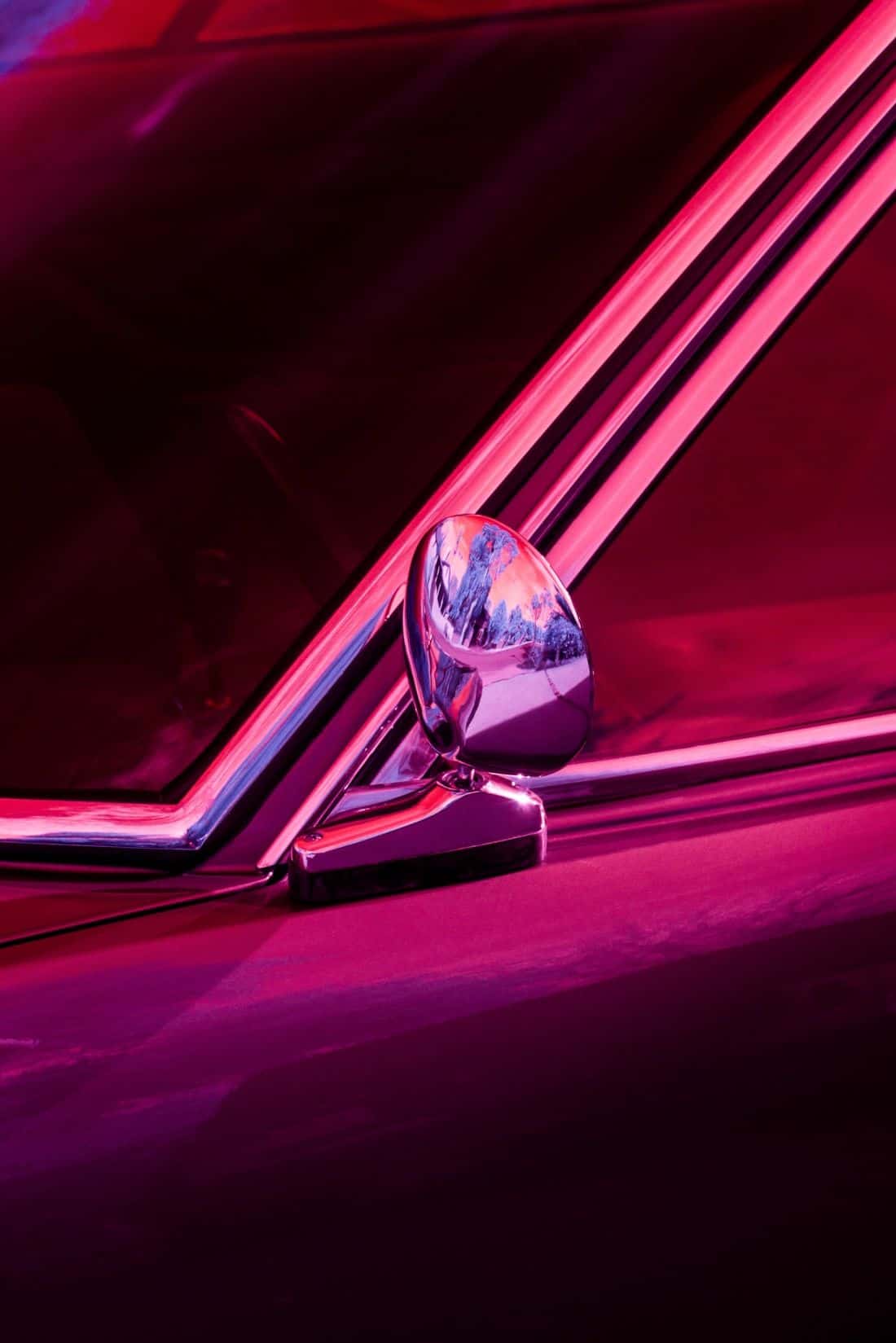
Shot with a specially constructed full-spectrum mirrorless camera using numerous infrared filters, the Melbourne-based photographer reimagines legendary Palm Springs places, like the Ace Hotel & Swim Club, the Palm Springs Tennis Club and the Parker Hotel, as a surreal world where succulents and palm trees are depicted in vibrant colors of blue, sky are a vibrant magenta, and swimming pools blood red. The contrasting, high-spirited colors illuminate the textures of the lush foliage which once blended into the desert landscape.

The hyper-saturated images subvert the desert city’s previously muted landscape into strangely alluring, joyously alive technicolor fantasias, making an unsettling ambiguity, an otherworldliness where we question reality and the world around us. Making the unseen, seen, Ballis’s infrared photos offer a glimpse into the unknown, yet uninhabited distant planet or parallel universe, at once strange and familiar.

H/T creativeboom

The post A Photographer Transforms California Landscapes Into Abstract Dreamscapes appeared first on FREEYORK.