Showing posts with label paintings. Show all posts

Monday, January 14, 2019

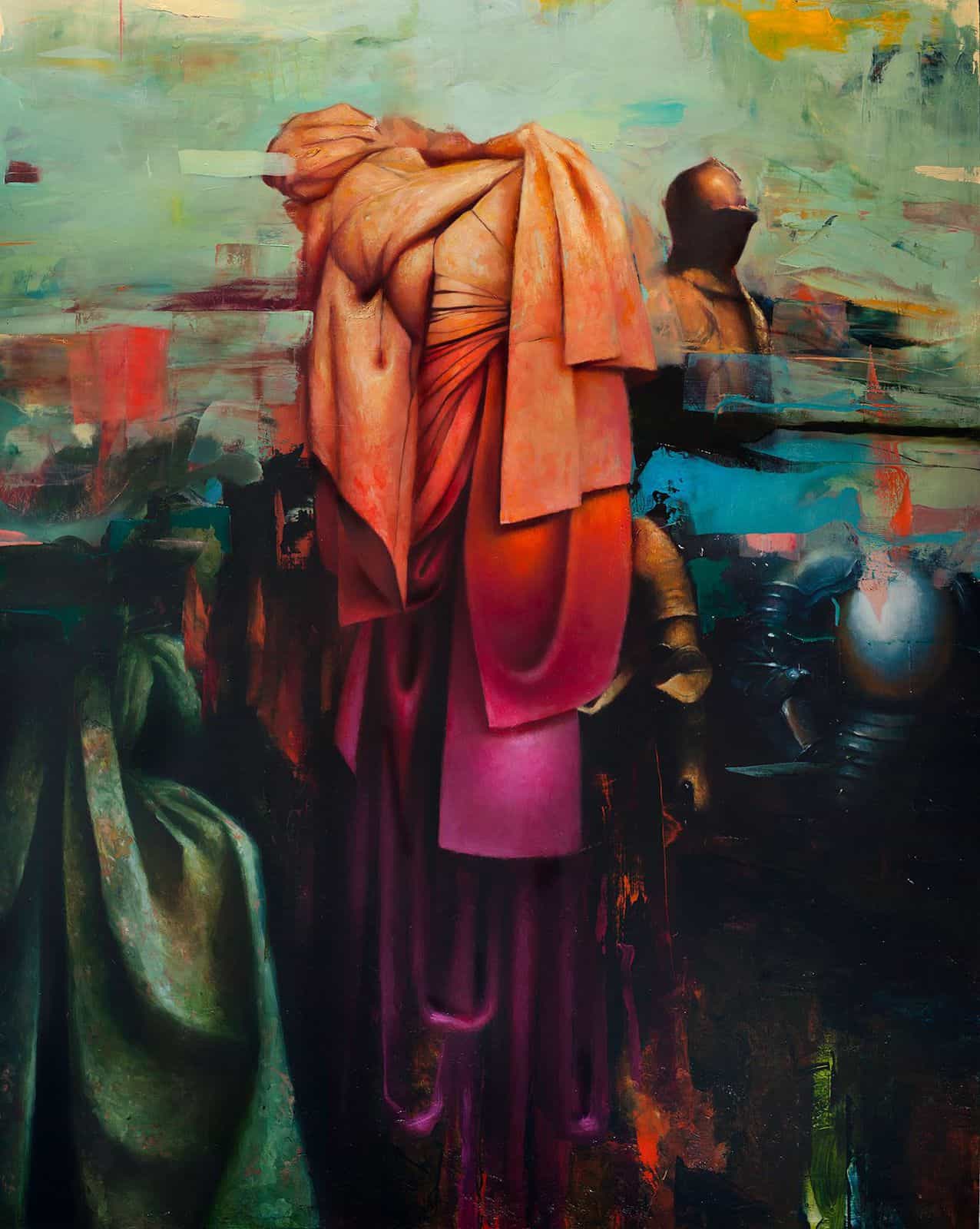
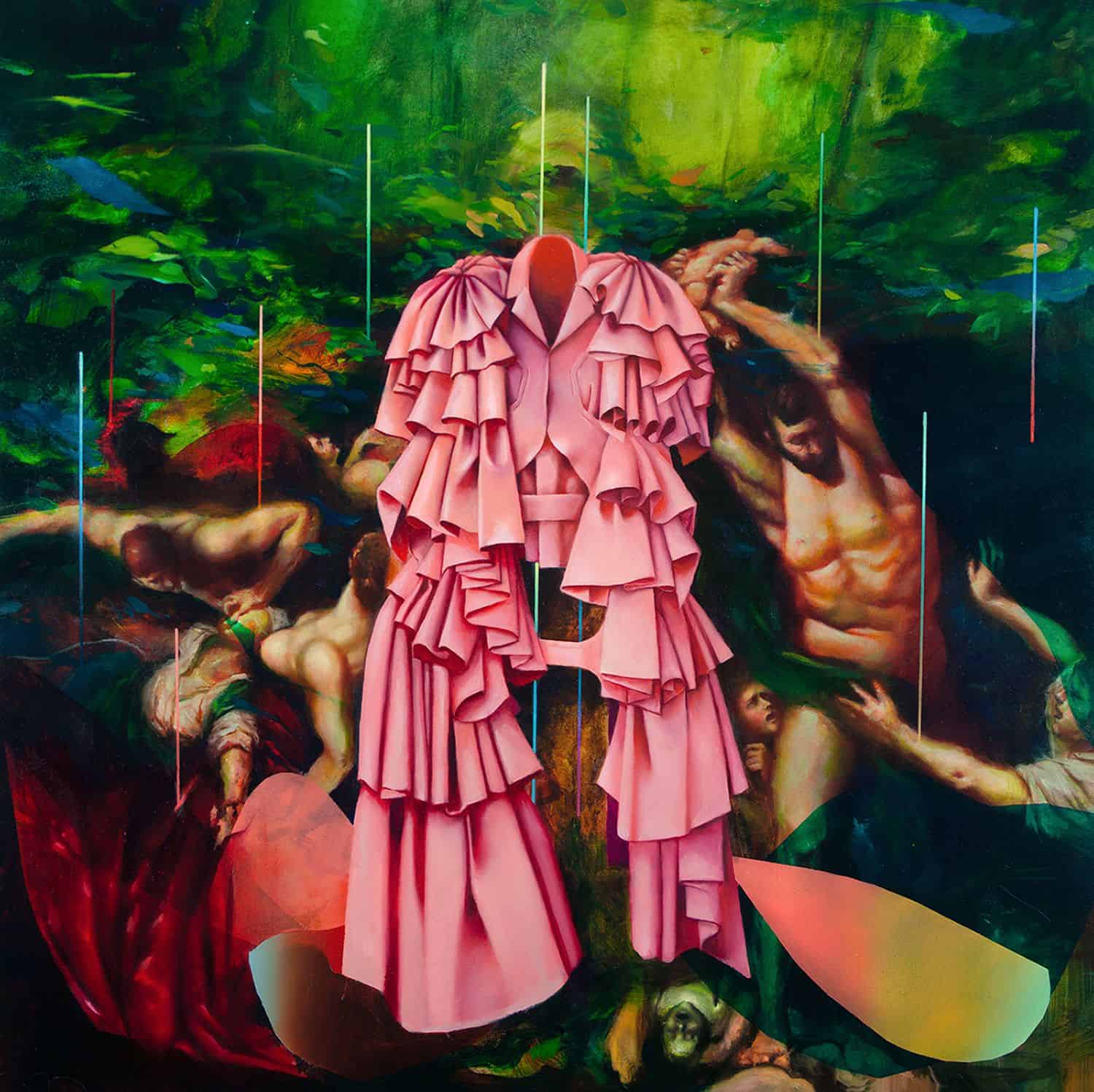
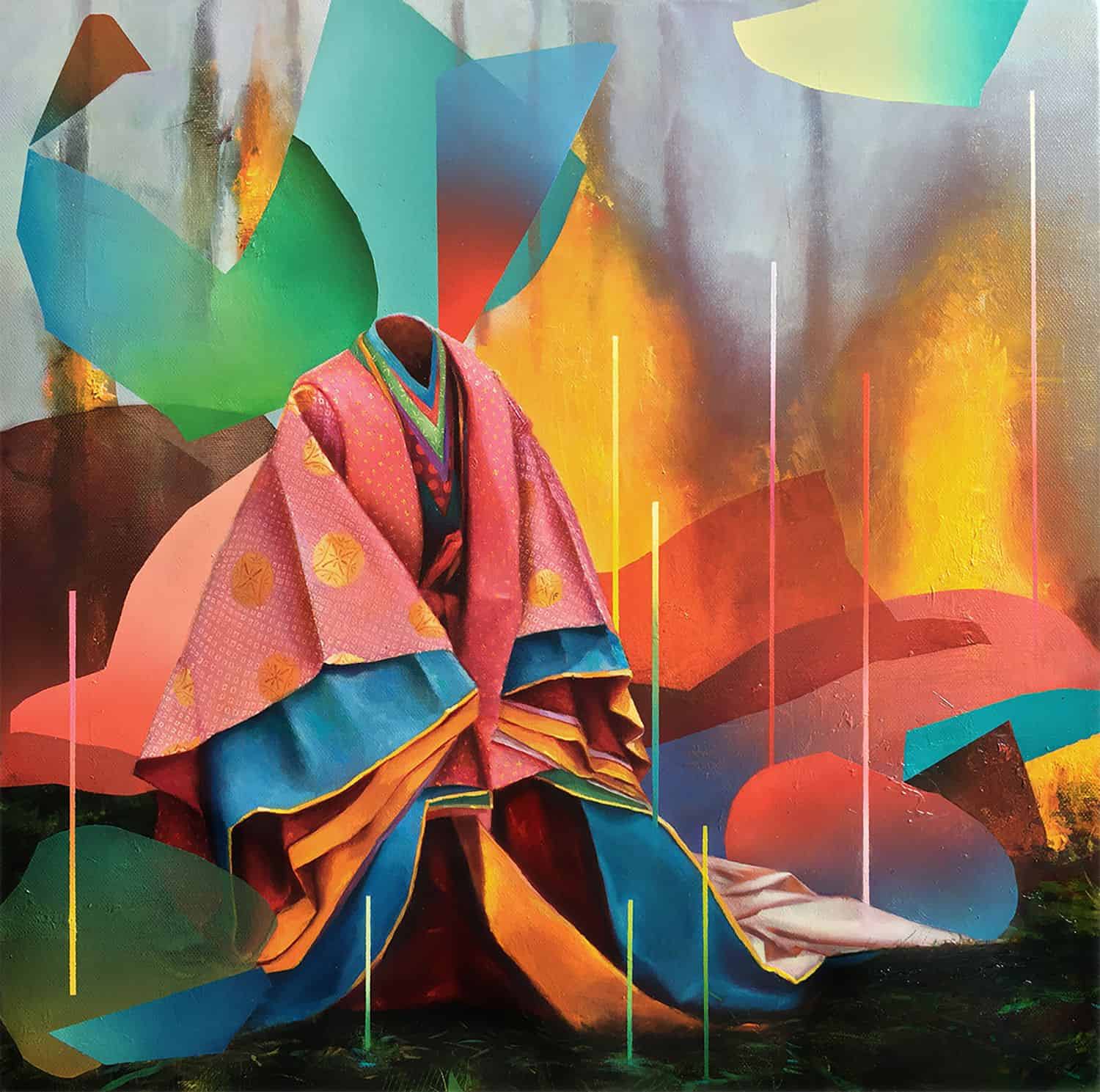
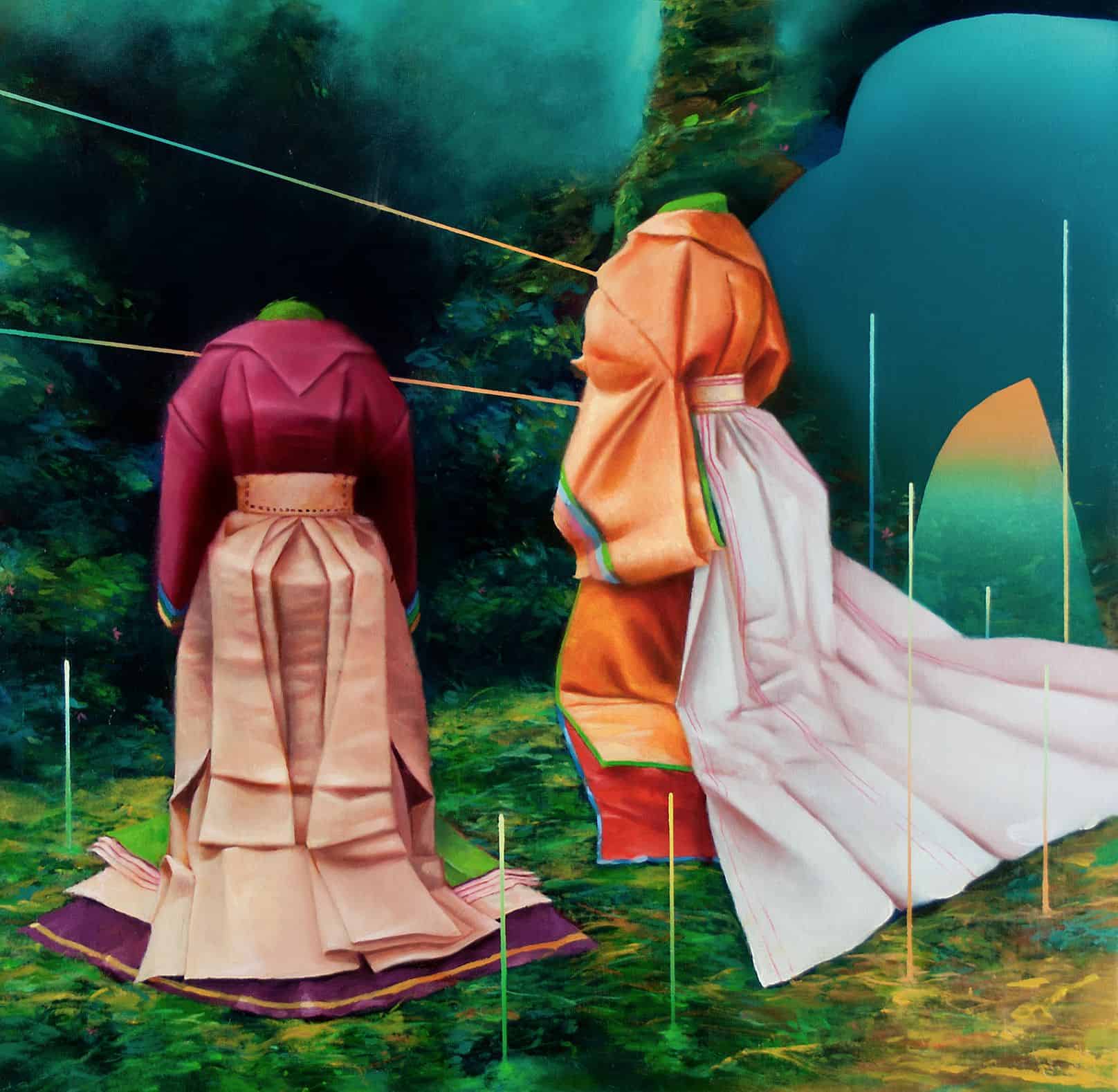
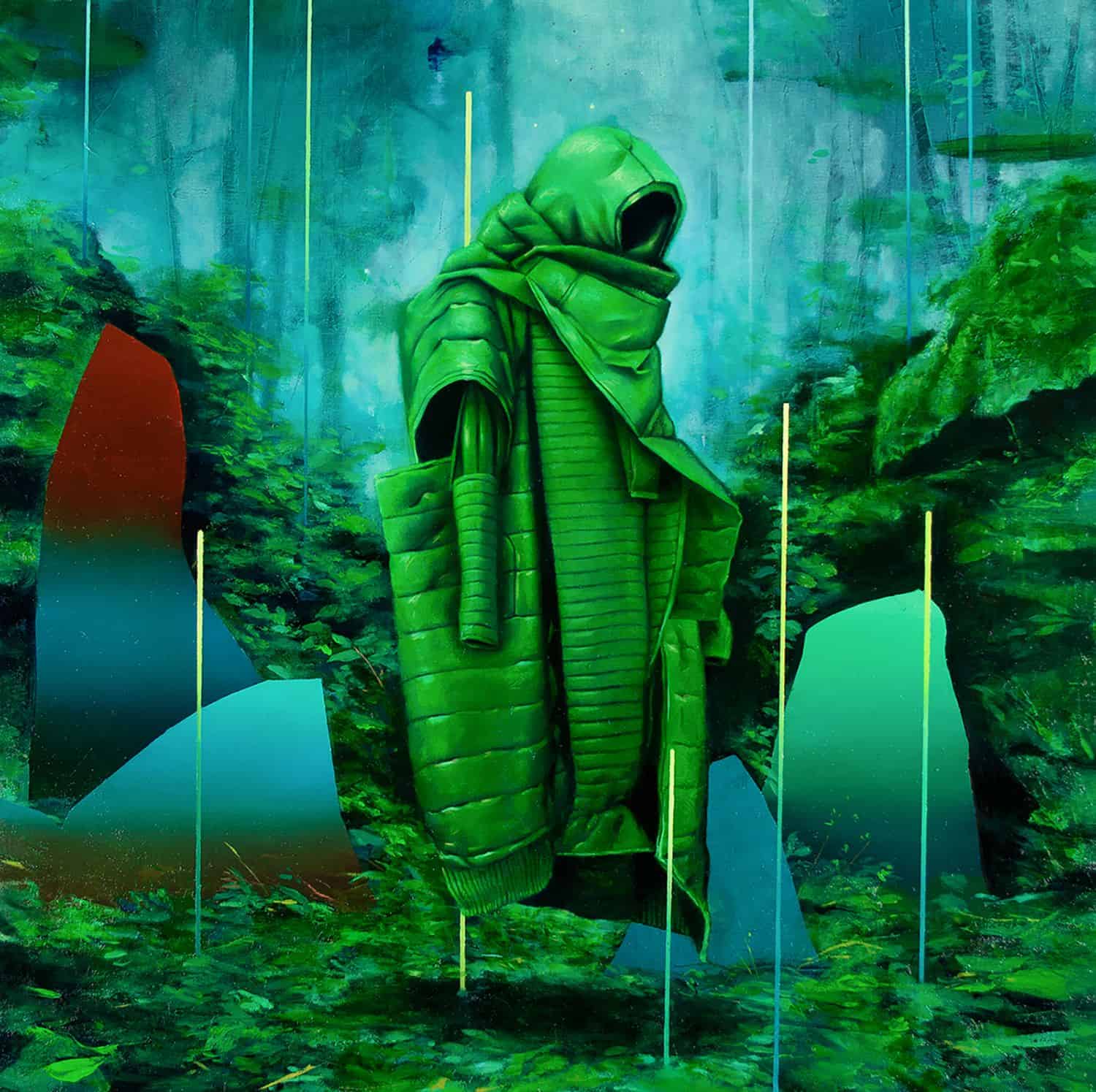
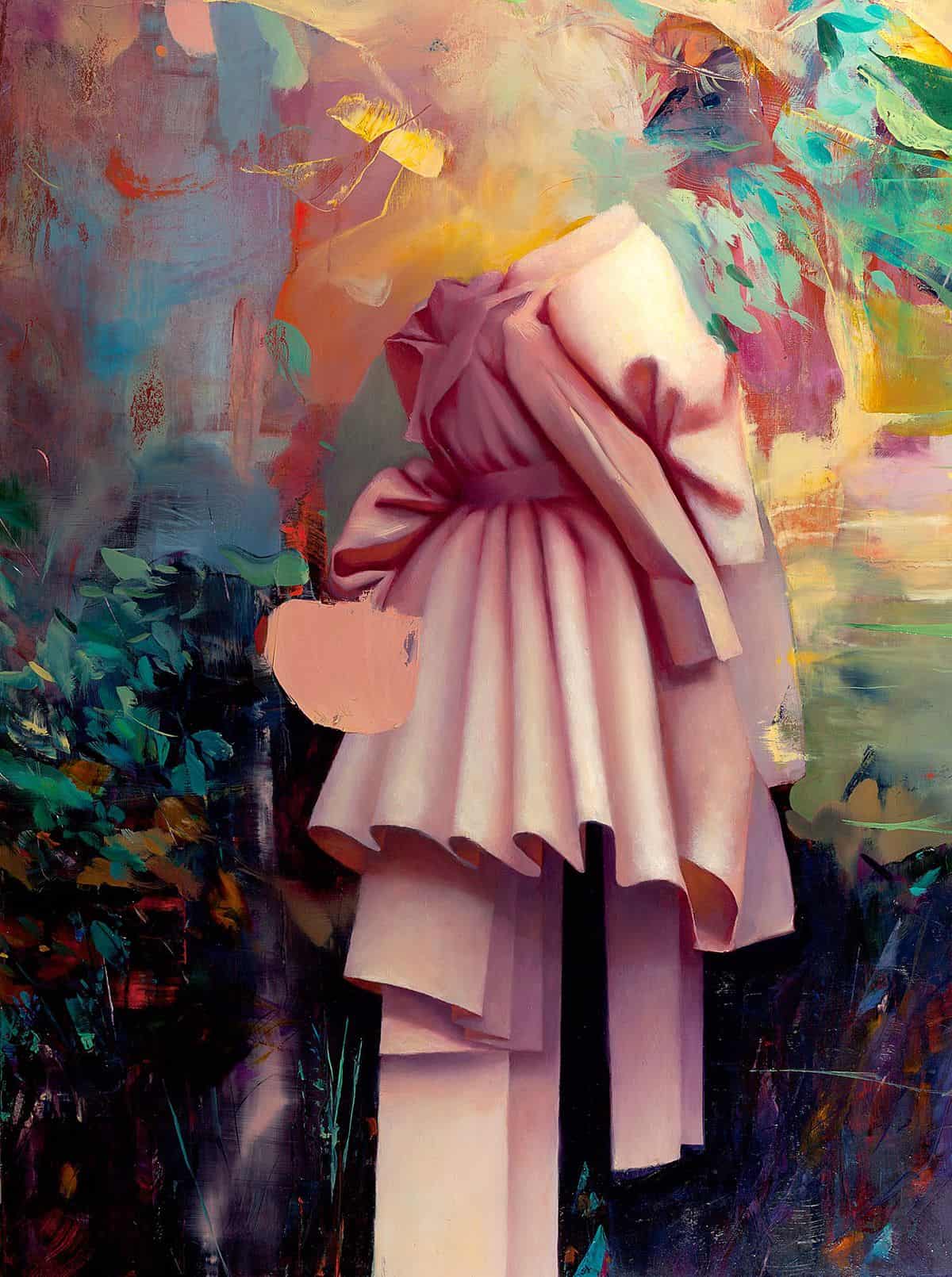
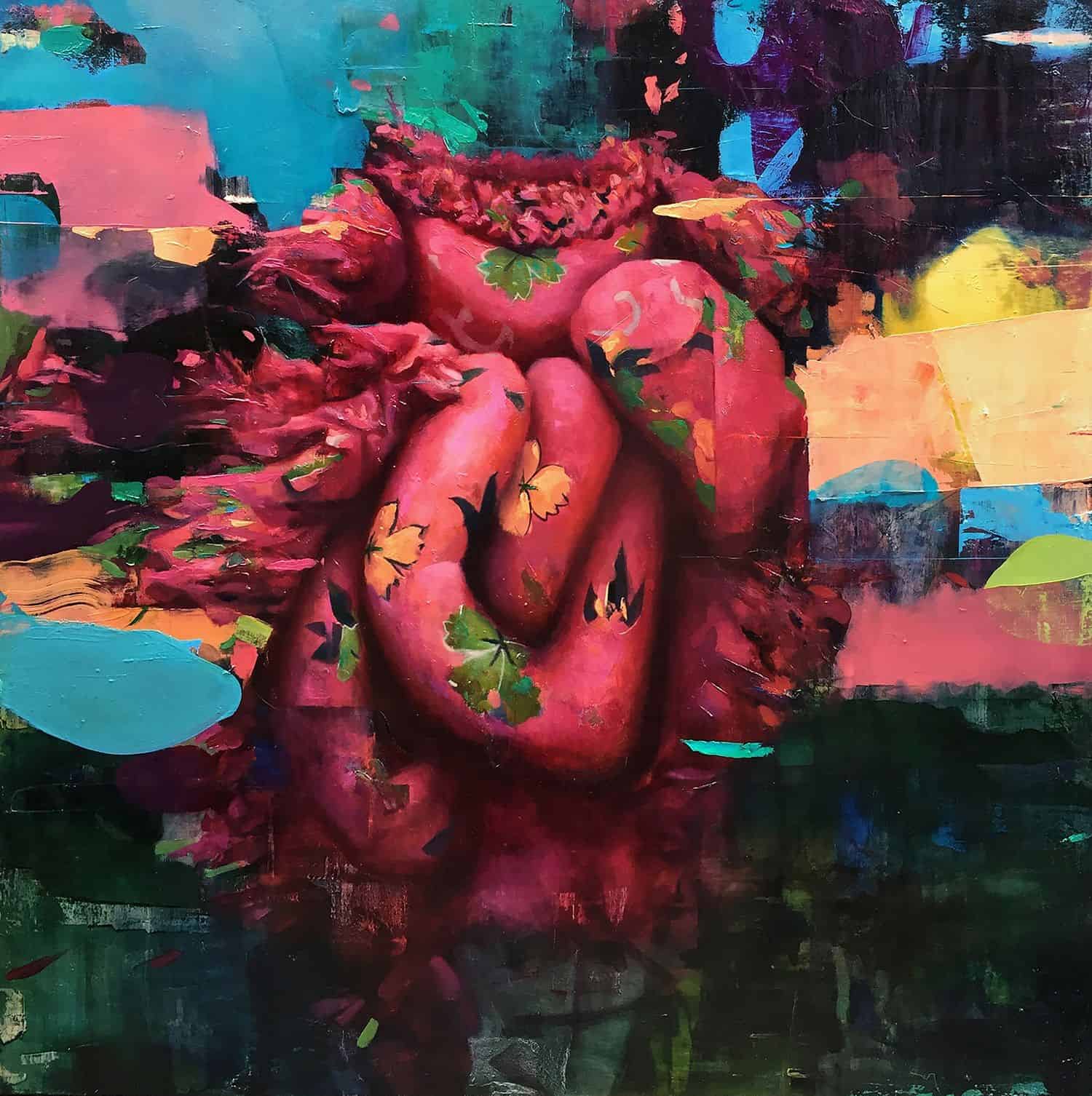
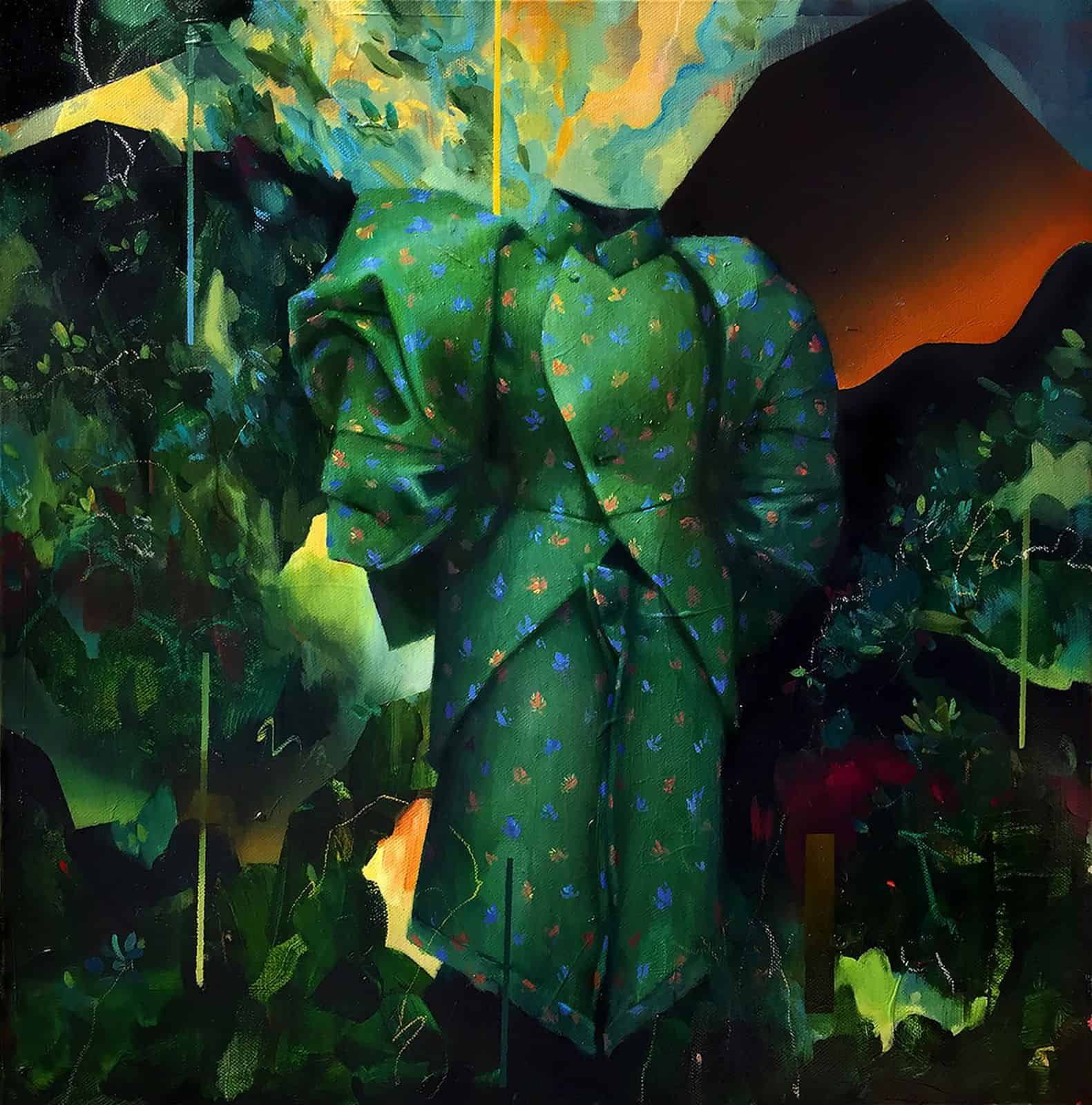
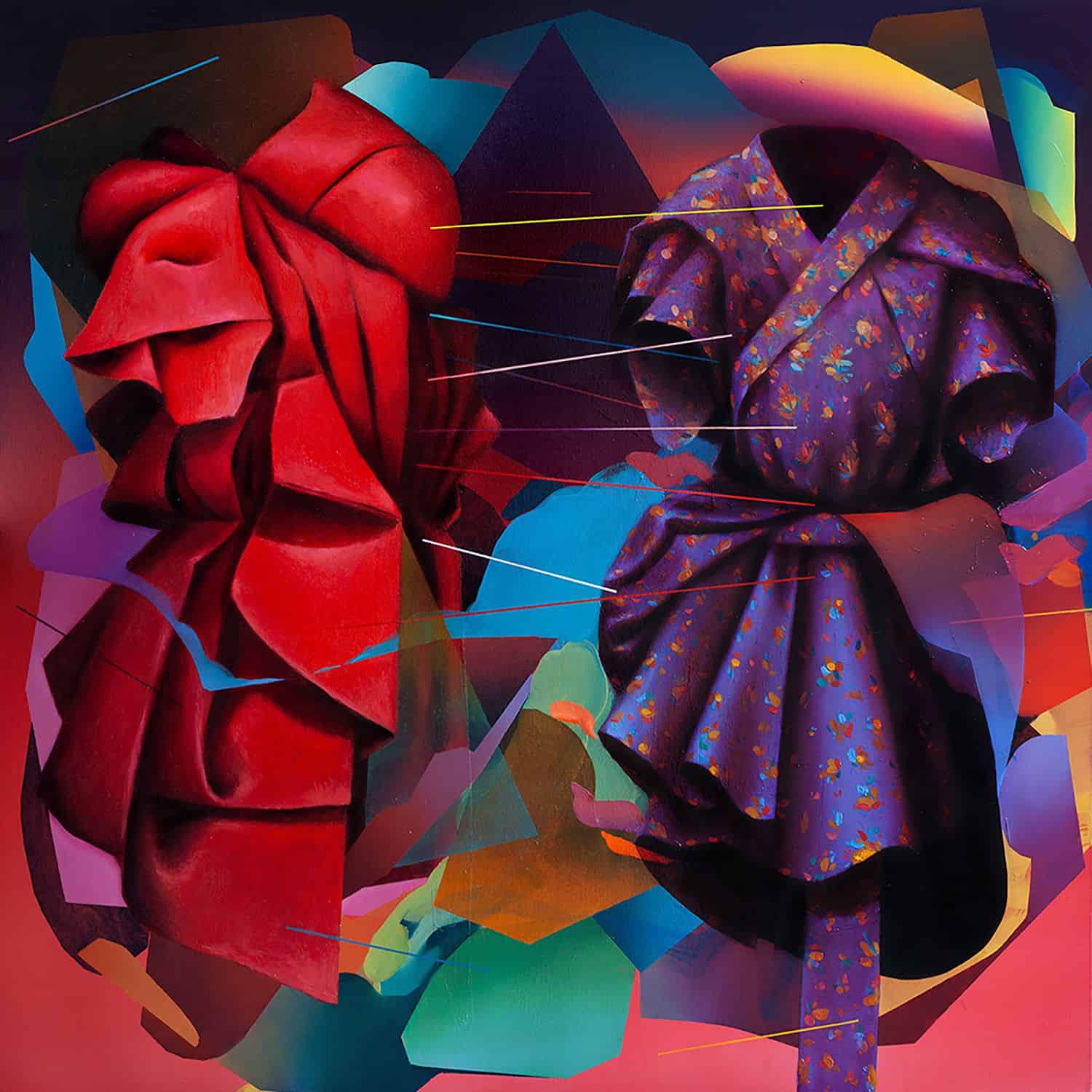
A Norwegian Artist Explores Claustrophobia Through Paintings of Ornate Clothing

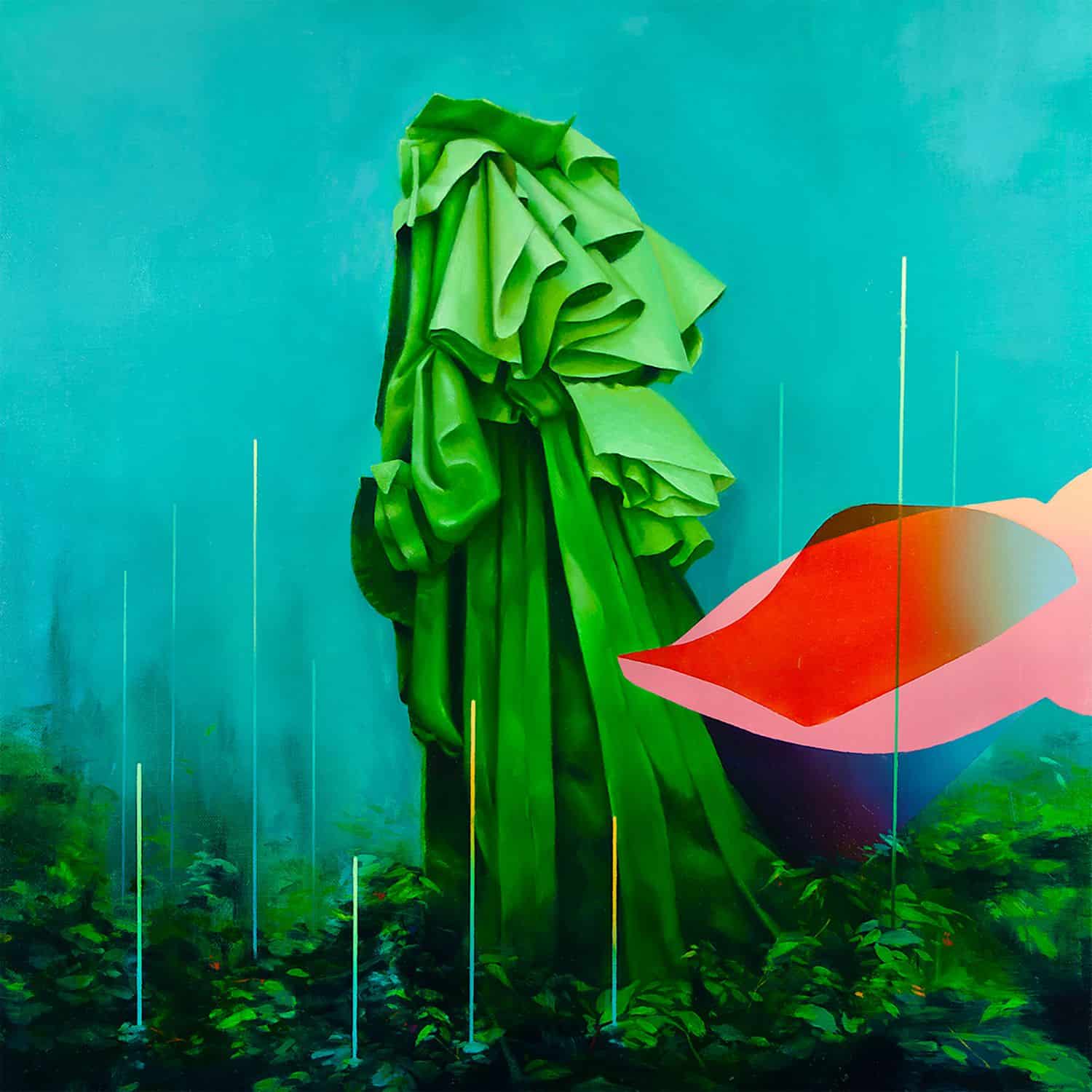
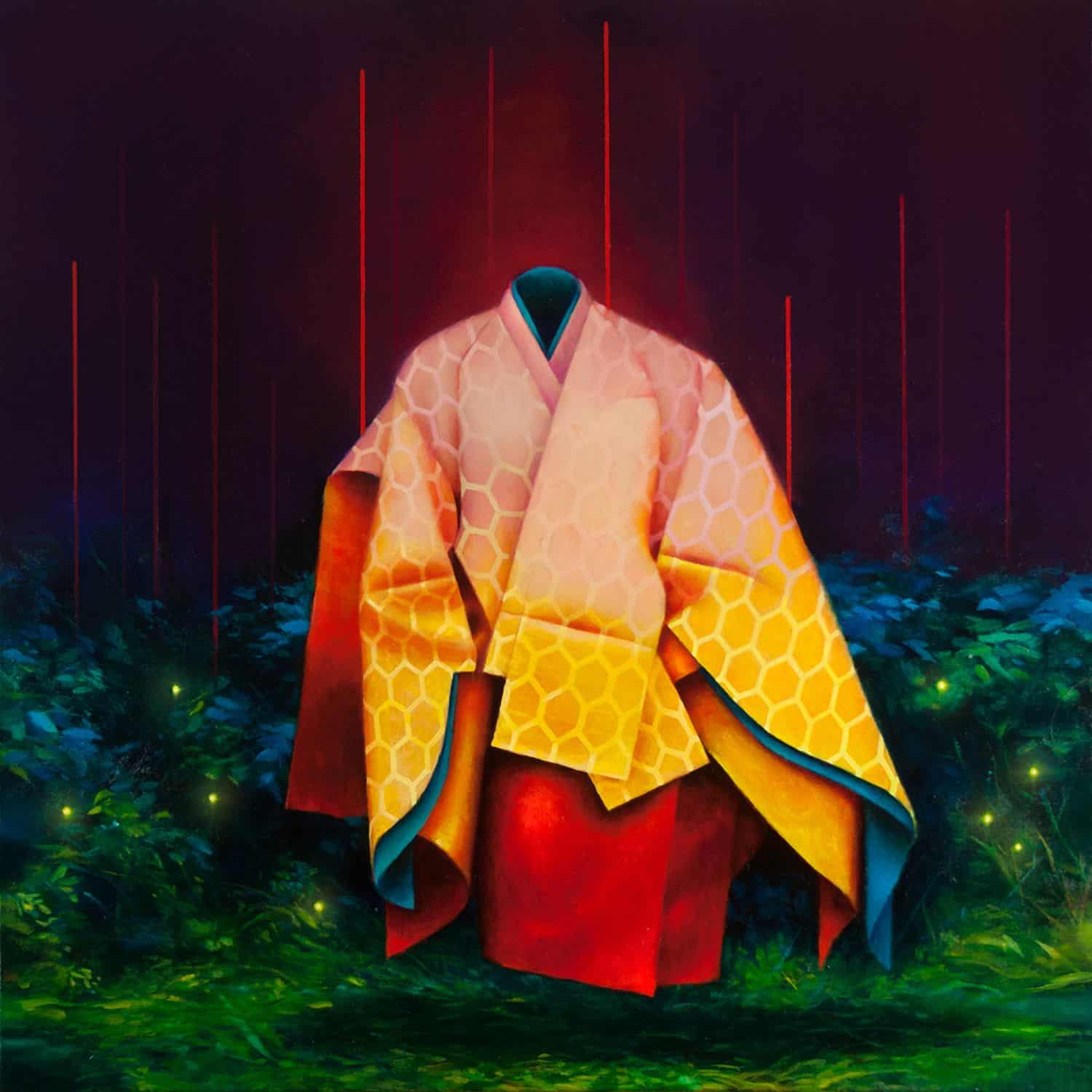
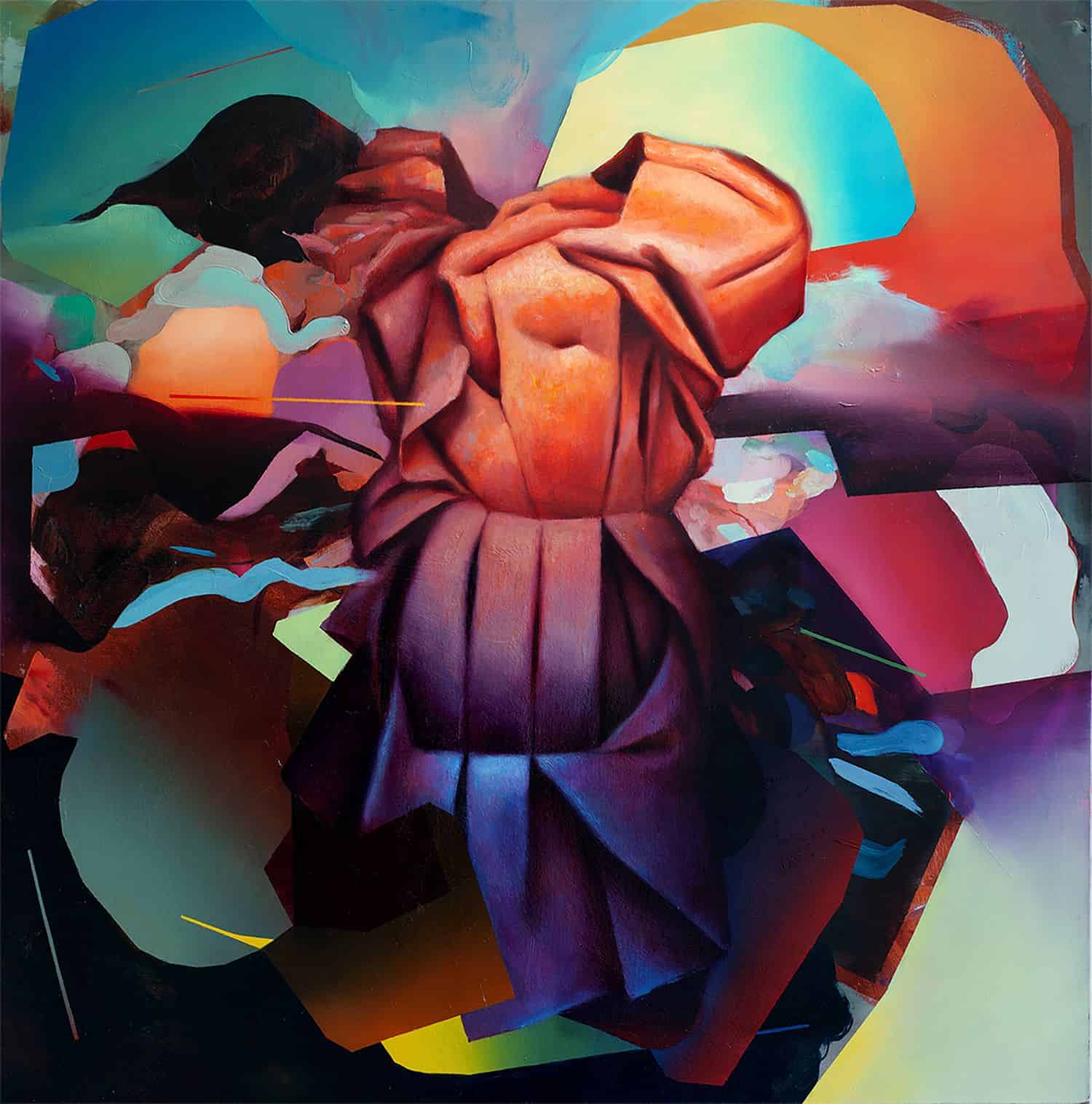
In his latest series of oil paintings titled ‘Body Cage’, Norwegian painter and illustrator Audun Grimstad plays with elements of style design — elaborate garments, lush spaces, bold color — to make abstract structures that research “issues of feeling trapped within the facades we construct around our identities.”

“The paintings hint at narratives concerning the human condition, in which the opposites expect and sorrow are fundamental topics,” Audun told Creative Boom.

Originally from Tromsø, at the north of Norway, Audun graduated from School of Visual Arts in New York City in 2017. Following graduation, he had two artist-in-residence programmes at Mana Contemporary in New Jersey.

His works are represented by galleries both in the United States and Norway.

The post A Norwegian Artist Explores Claustrophobia Through Paintings of Ornate Clothing appeared first on FREEYORK.

Tuesday, December 4, 2018

Eerie Sandpaper Paintings Make us Consider Destruction

Spanning both the symbolic and poetic space between drawing, sculpture, and installation, Turkish artist Civelek is interested in the concept of creation vs. destruction. The artist’s new new body of work on view at Istanbul‘s Pi Artworks employs the humble, ready-made, and contradictory material: sandpaper.

Raised in Istanbul, Turkey, during a time of heightened geopolitical instability, the artist often witnessed the precarity of daily life firsthand. Bombings at synagogues, consulates and banks, often close to his routes to school, a recurring memory. Tall buildings with their entrances blown out were a common scene, and the artist reflects upon how normalized this became. Surrounded by cyclic creation and destruction, he began to consider the act of elimination as a form of creative authorship itself.

As an adolescent consuming Western mass media, which was over-saturated with images of violence solely for the purpose of entertainment, these disparate and oppositional experiences provoked the artist to confront and synthesize certain dialectical relationships– between creation and destruction, author and audience. The experience instigated his exploratory research into the nature of materials.

Early in the development of his practice, Civelek opened a space called The Destruction Company, where visitors could come and destroy different items. Over time, these explorations matured, were simplified, and became more subtle and metaphorical, taking inspiration from Auto-destructive artistic practice of the early sixties and leading to the body of work presented in this exhibition.

Number 3: Grit contains three different groups of work in the same medium, all utilizing sandpaper. Sandpaper is a material imbued with conflict and juxtapositions: it is used in the process of creation, the thoughtful, slow, and superficial manipulation of surfaces and objects. When implemented as designed, it can create smoothness and polish, yet it remains abrasive and potentially destructive. The sandpaper series can be considered a study of material properties that expose how an object can be destroyed and how to destroy it–a combination of artistic intentions and chance operations.

Presented in the space will be a series of “paintings” comprised of a range of varying sandpaper grits in a variety of colors and textures, several sculptures, and a large-scale installation of an oversized roll of sandpaper, sweeping down from above and spreading across the entire gallery floor. Upon first glance the piece seems non-threatening, playful even. As the audience inhabits the exhibition space, interacting with the installation, the tactility of the sandpaper floor becomes apparent as it  wears down the soles of the shoes of those who walk across it, while simultaneously being destroyed itself.

Visitors are asked to sign a detailed waiver before interacting with the piece.

Grit: Number 3 will be on view at Pi Artworks through December 23

The post Eerie Sandpaper Paintings Make us Consider Destruction appeared first on FREEYORK.
Wednesday, October 17, 2018

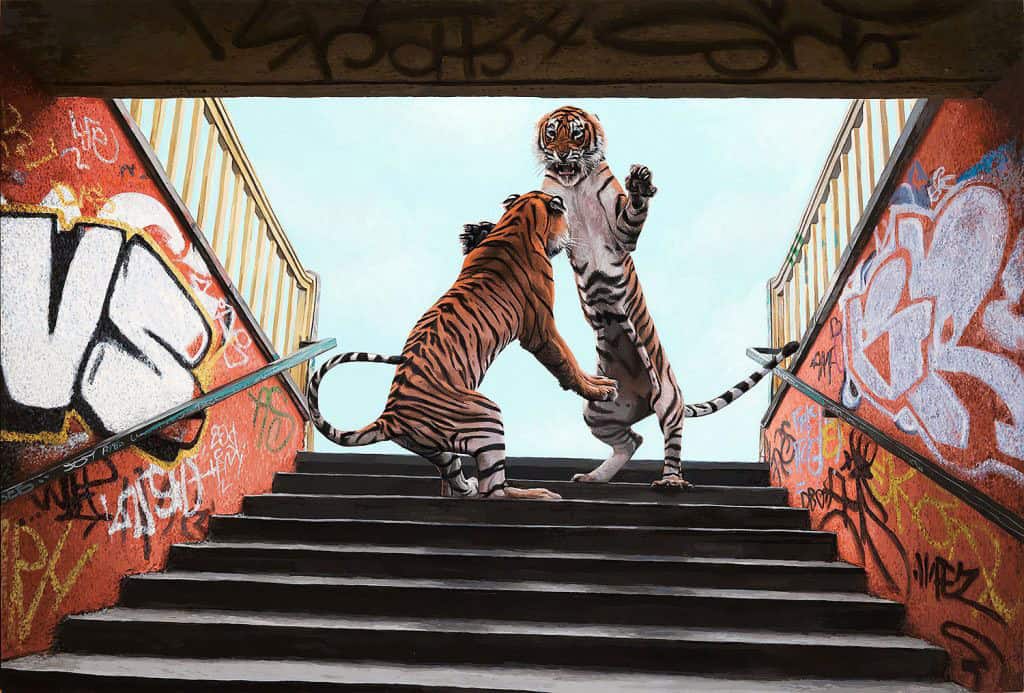
Josh Keyes’ New Paintings of Post-Apocalyptic World

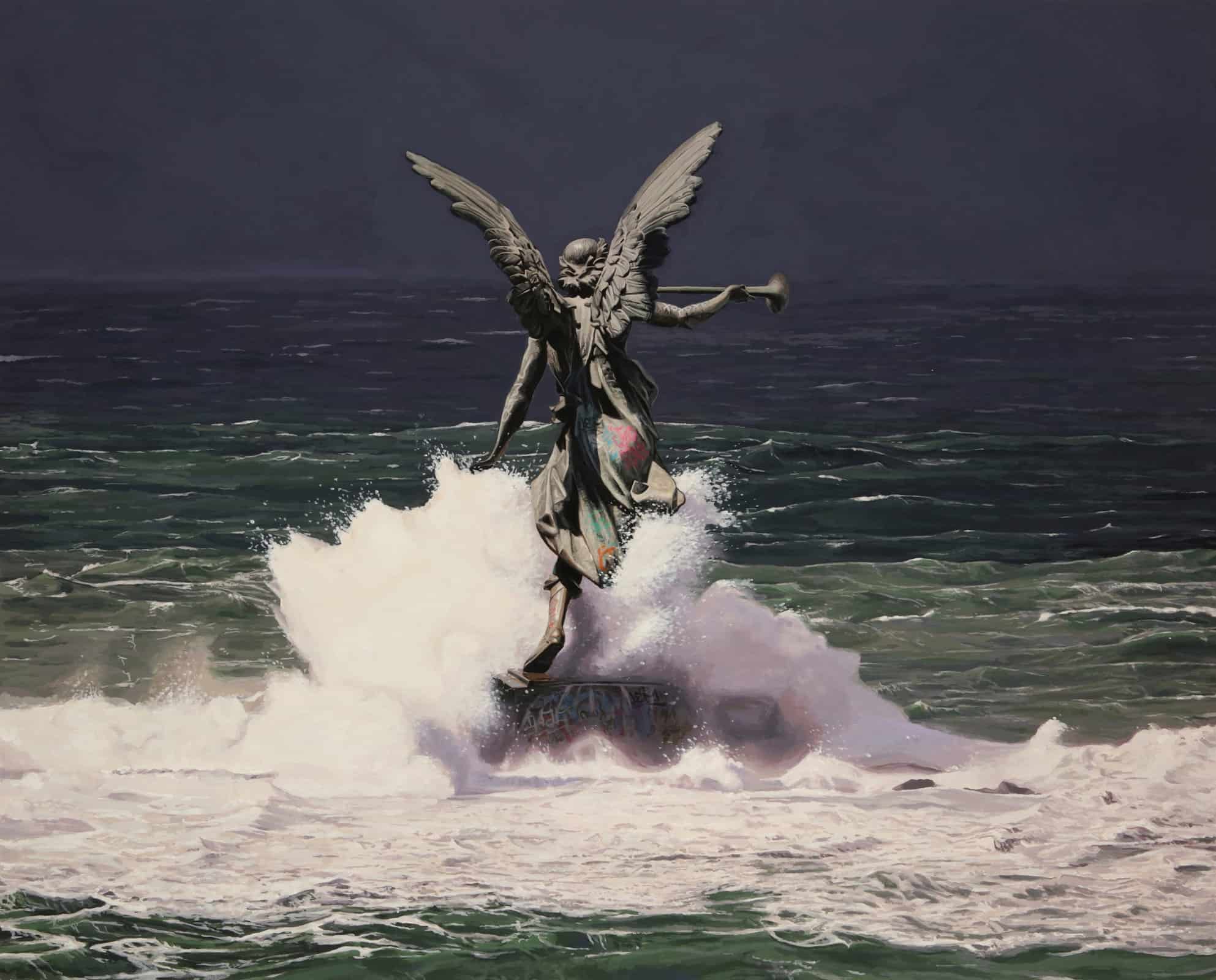
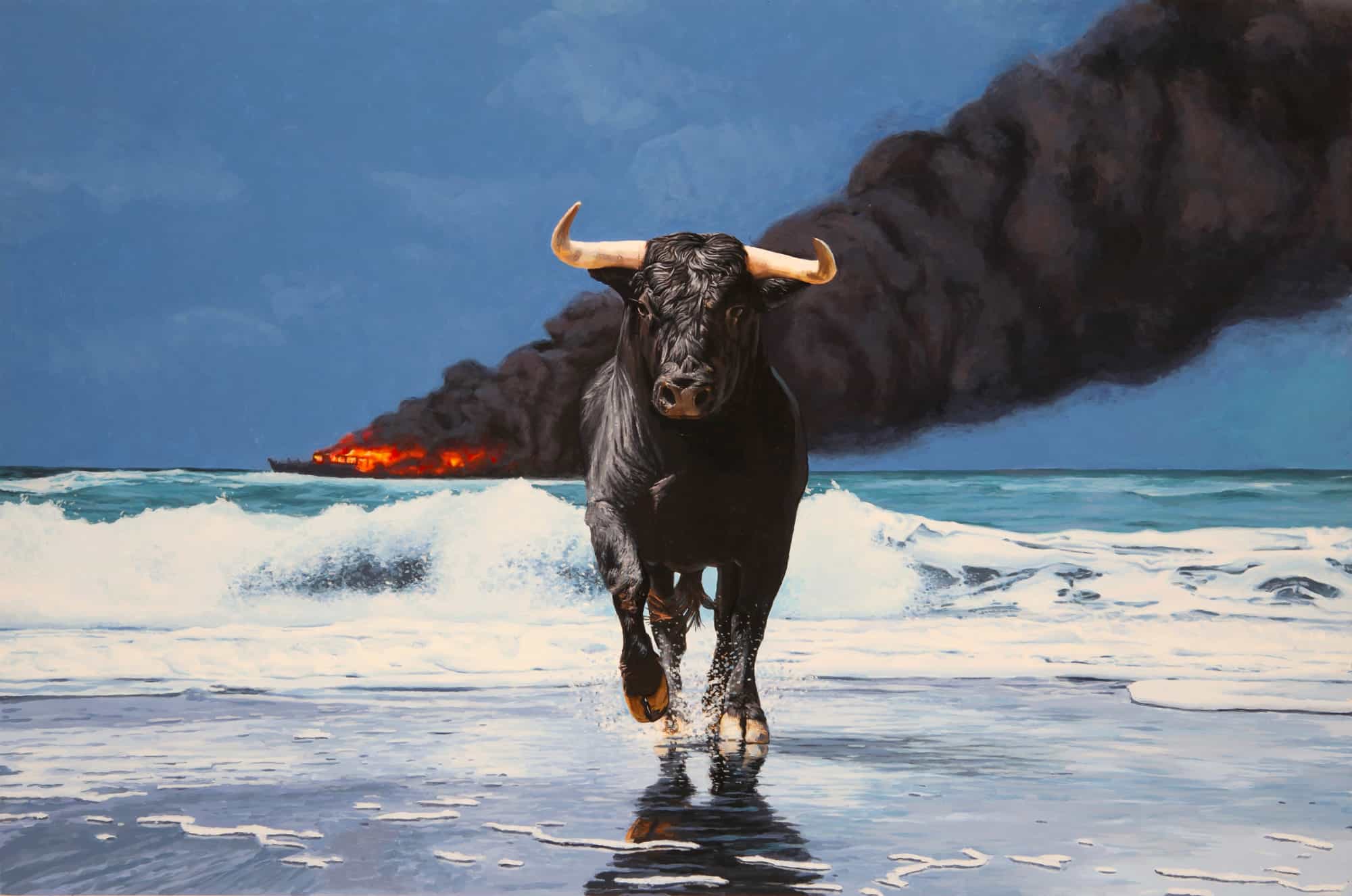
Portland-based artist Josh Keyes paints hyperrealistic paintings of what he perceives the world may look like after the fall of humans. Animals such as sharks, tigers, and bulls remain as the last witnesses to the aftermath of individual destruction–observing blazing fires, investigating displaced industrial items, and swimming amongst melted ice caps. Monuments and statues also remain in this post-apocalyptic world, like in the artist’s recent painting Siren, which observes a graffiti-covered angel with a horn being splashed with the sea’s high tide. You can see more of his paintings on his Instagram and website.

The post Josh Keyes’ New Paintings of Post-Apocalyptic World appeared first on FREEYORK.

Tuesday, August 7, 2018

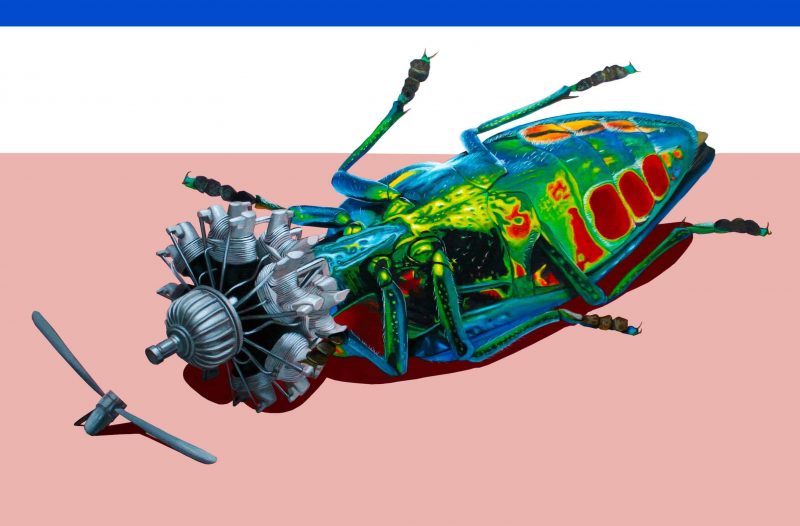
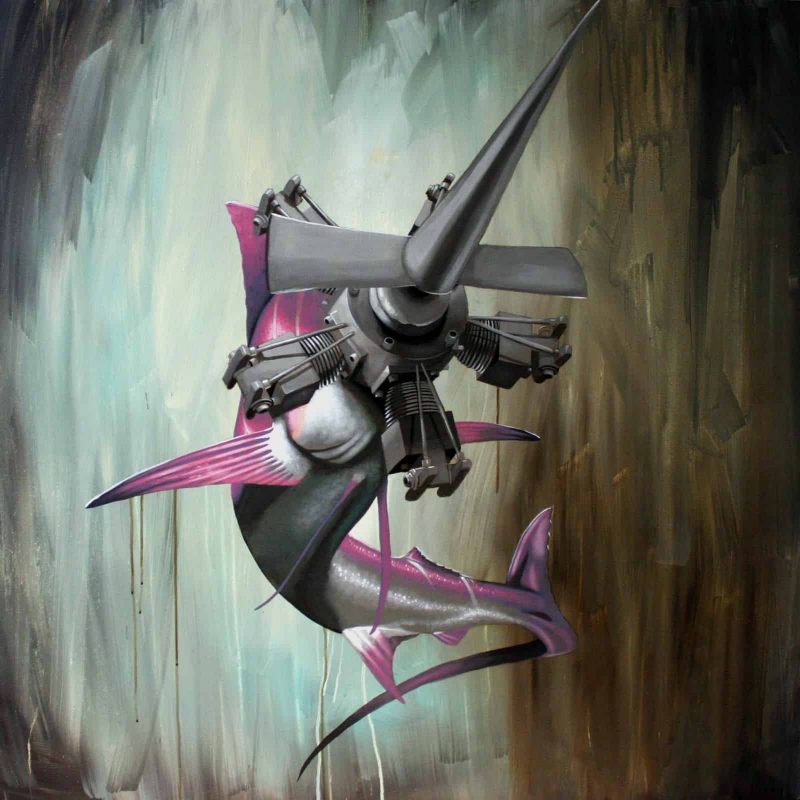
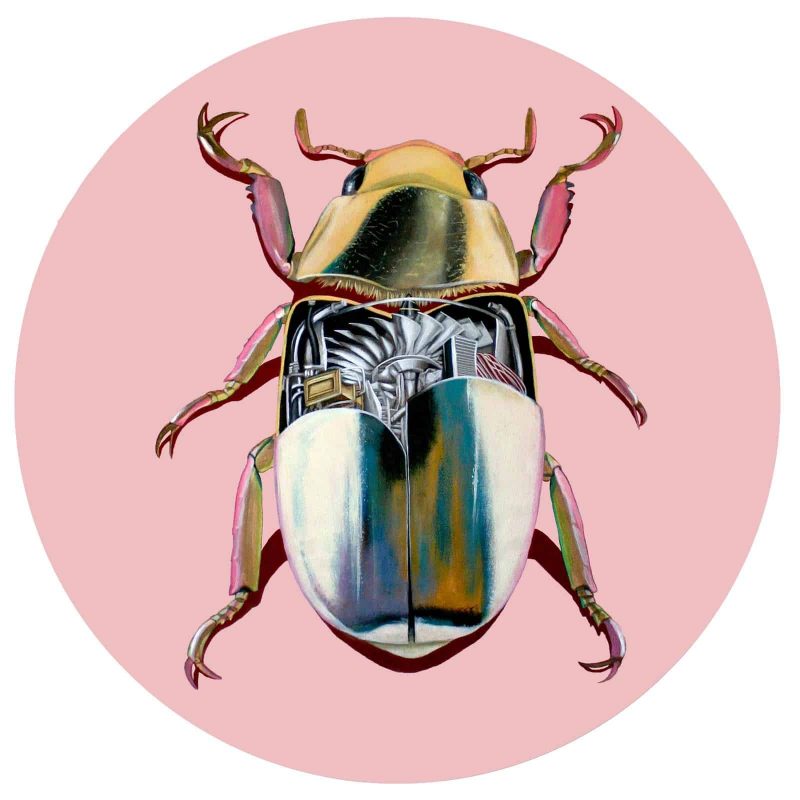
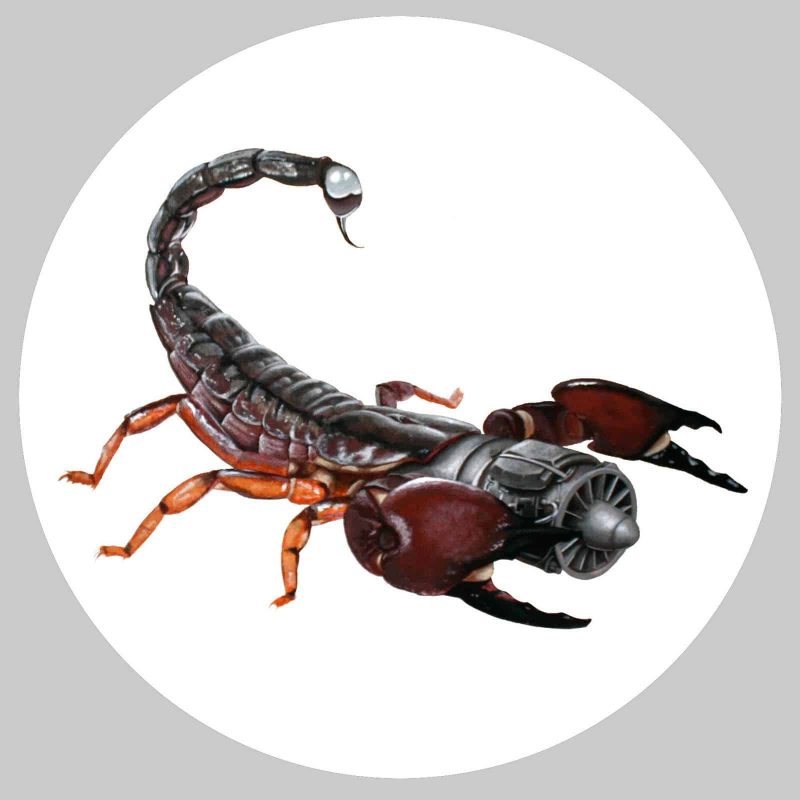
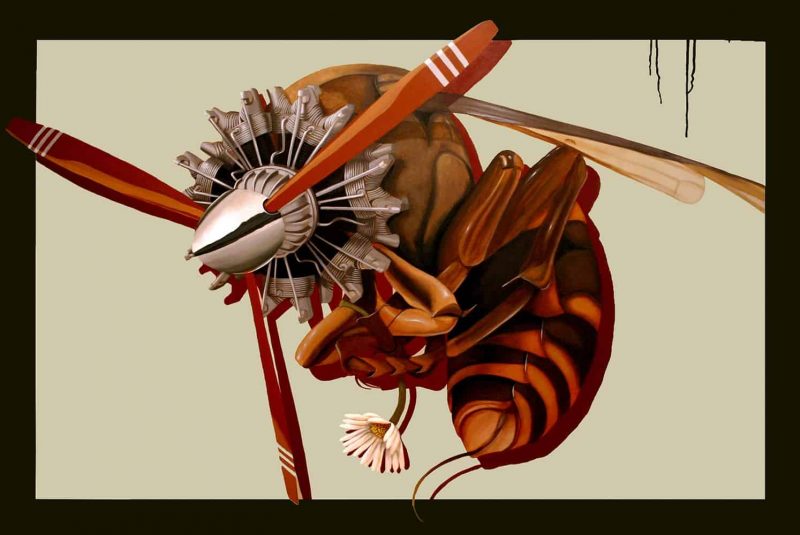
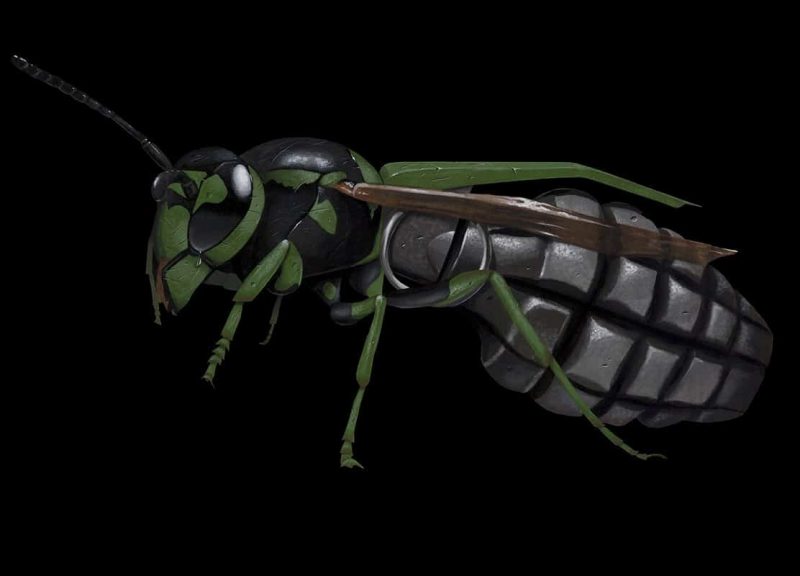
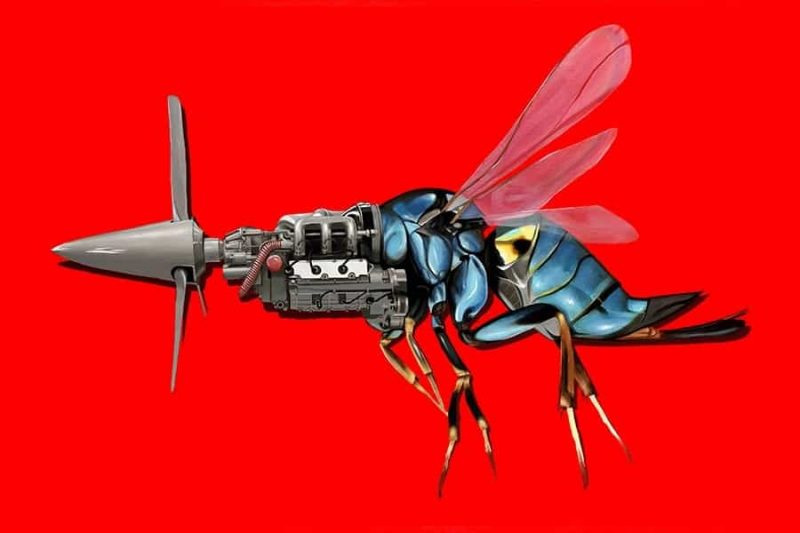
An Artist Creates Insect-Machine Hybrids To Raise Awareness

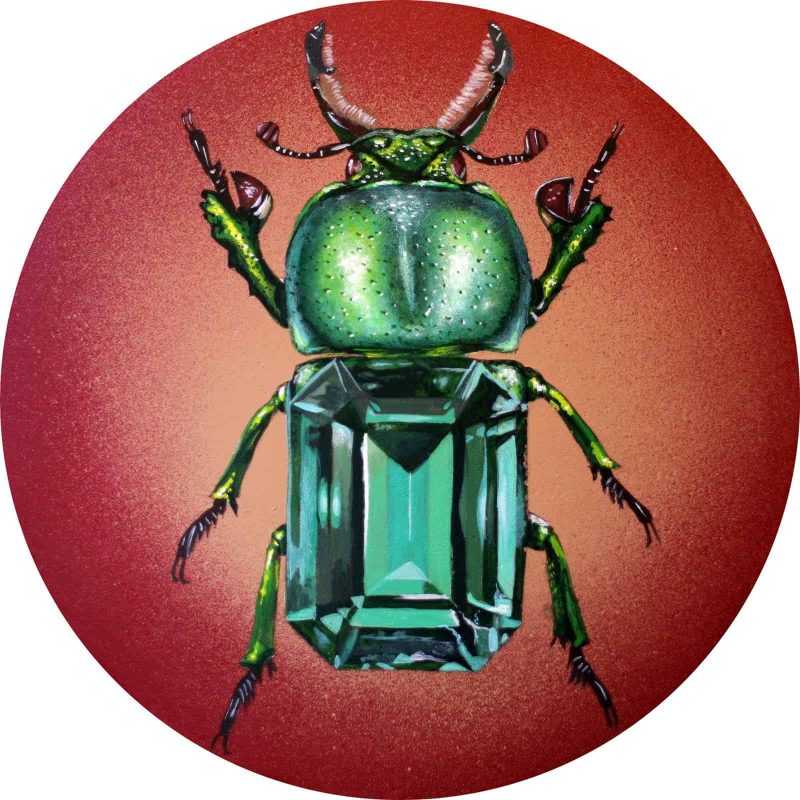
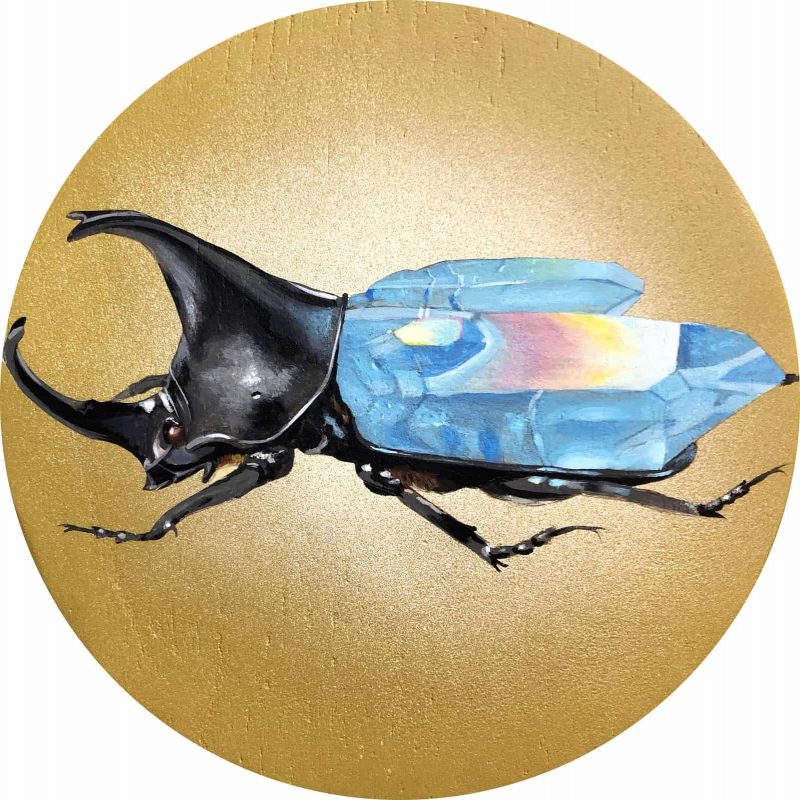
Robert Bowen‘s insect-machine hybrids are a part of a continuing fascination for the artist. A statement clarifies his consistent interest in this subject:

“There are so many unanswered questions I have about them,” Bowen says. A terrible road we ought to never return? If the bees continue to extinct, should we design a substitute for picking up where they left off? Alternatively, do we take our destiny and stop toying with Mother Nature because that’s what got us into trouble in the first place.”

The post An Artist Creates Insect-Machine Hybrids To Raise Awareness appeared first on FREEYORK.

Saturday, July 14, 2018

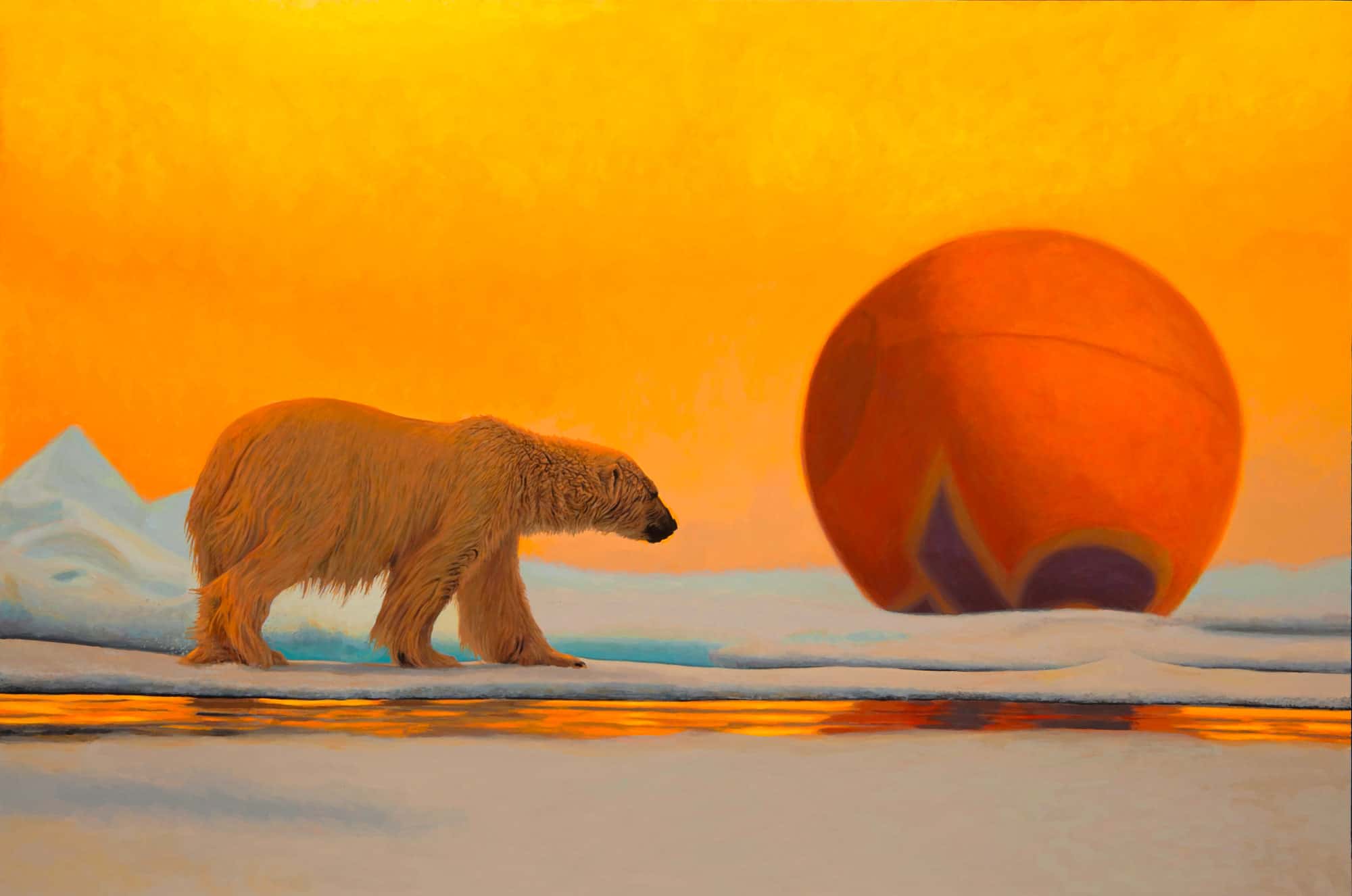
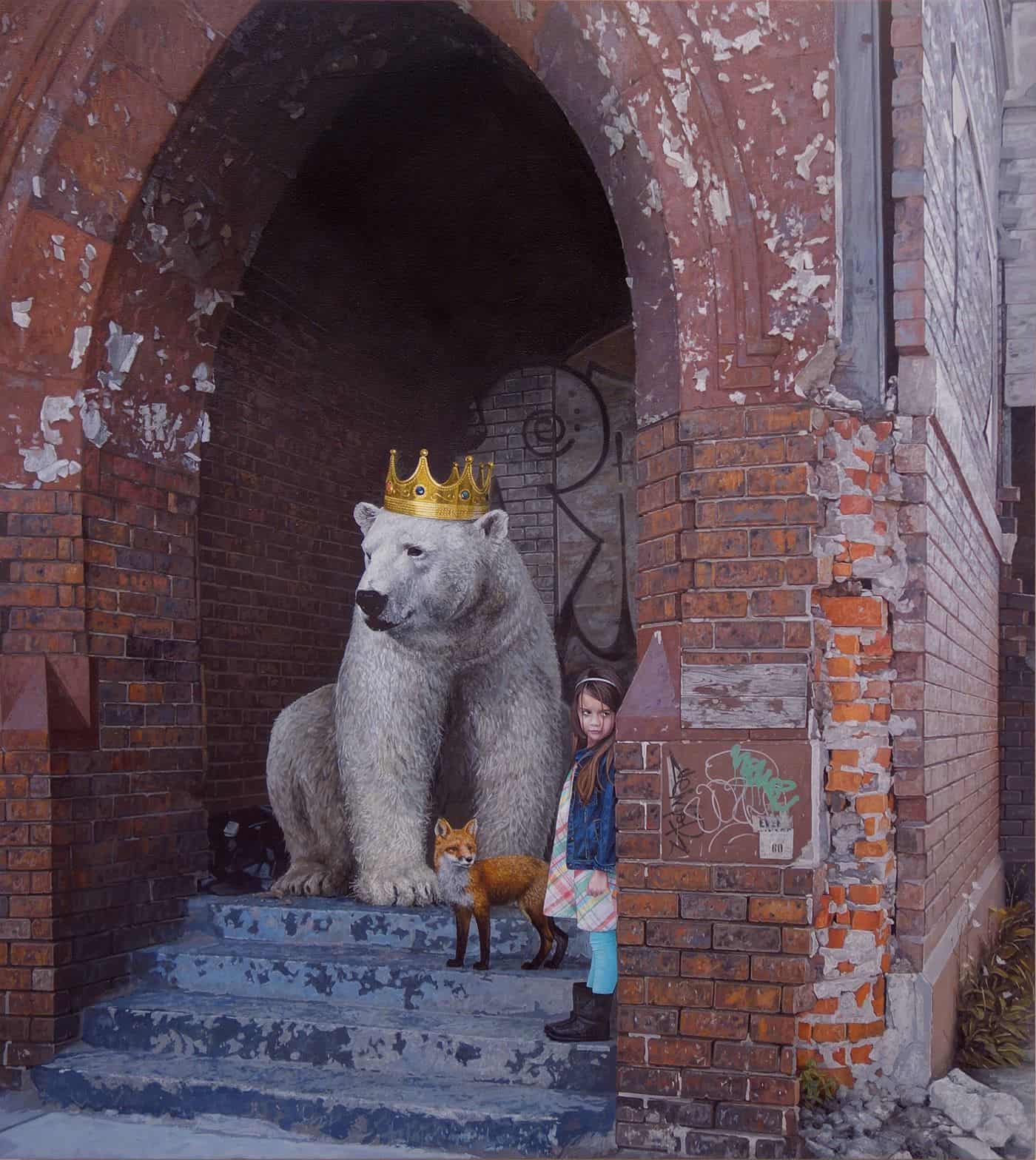
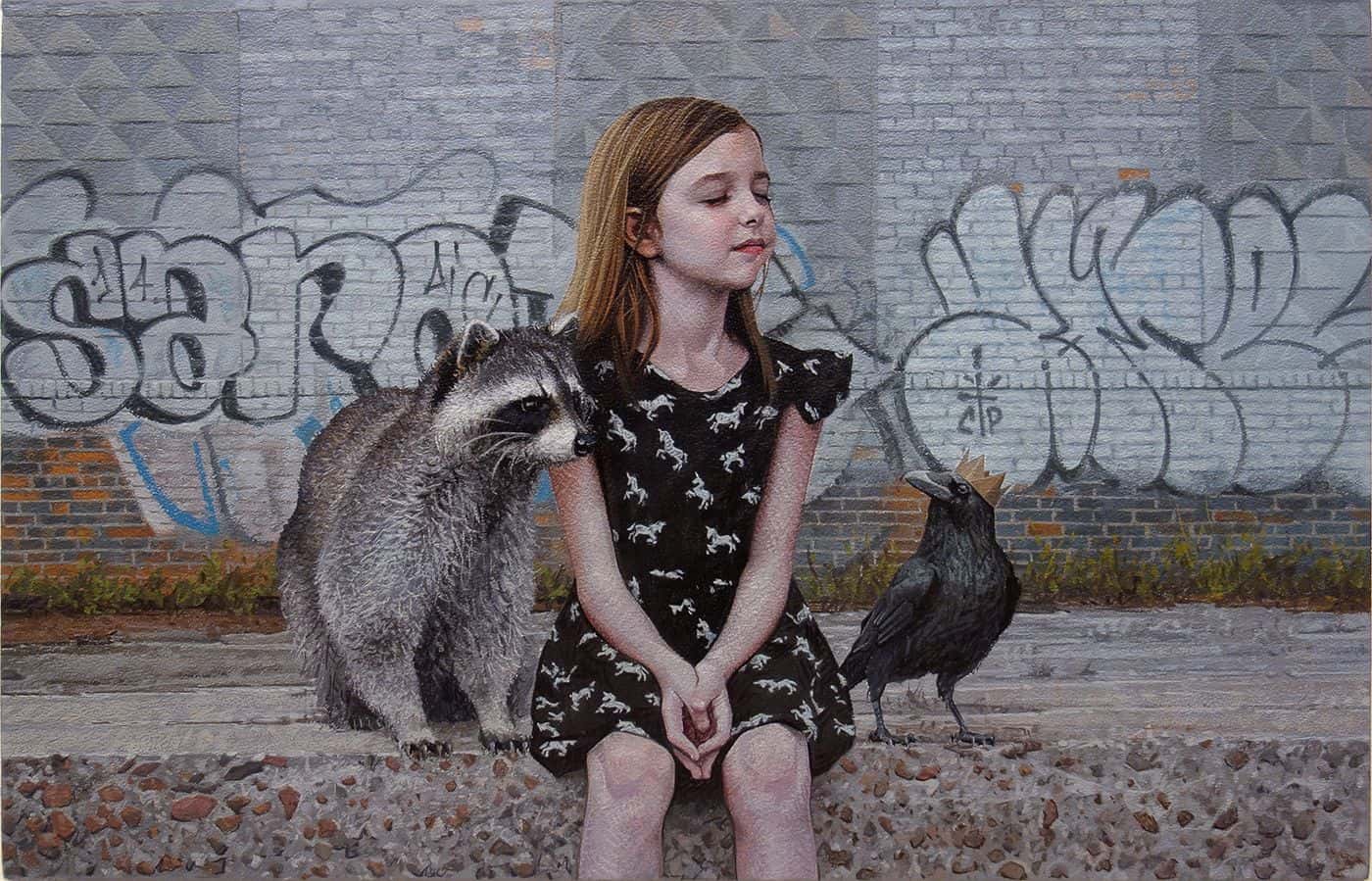
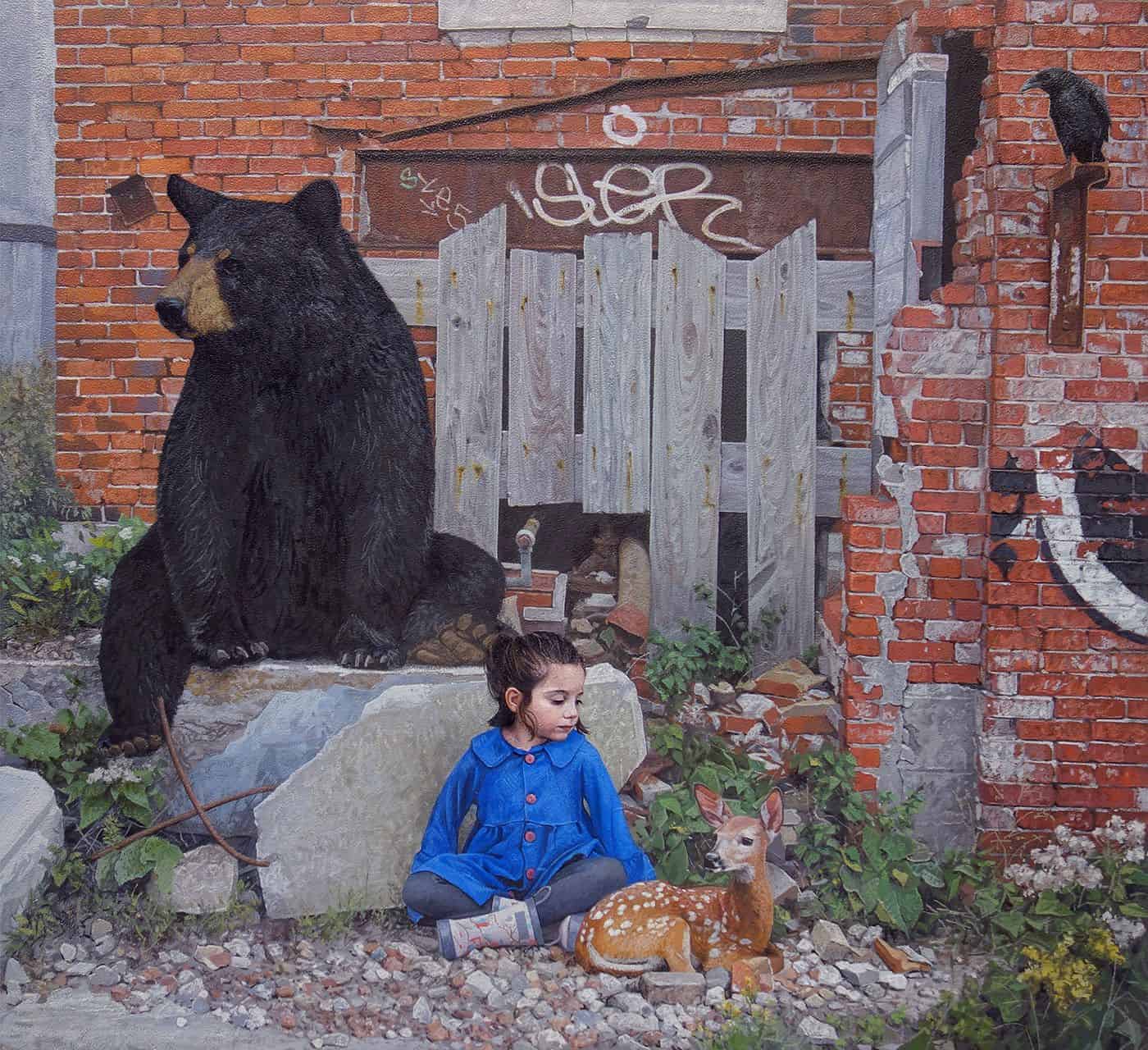
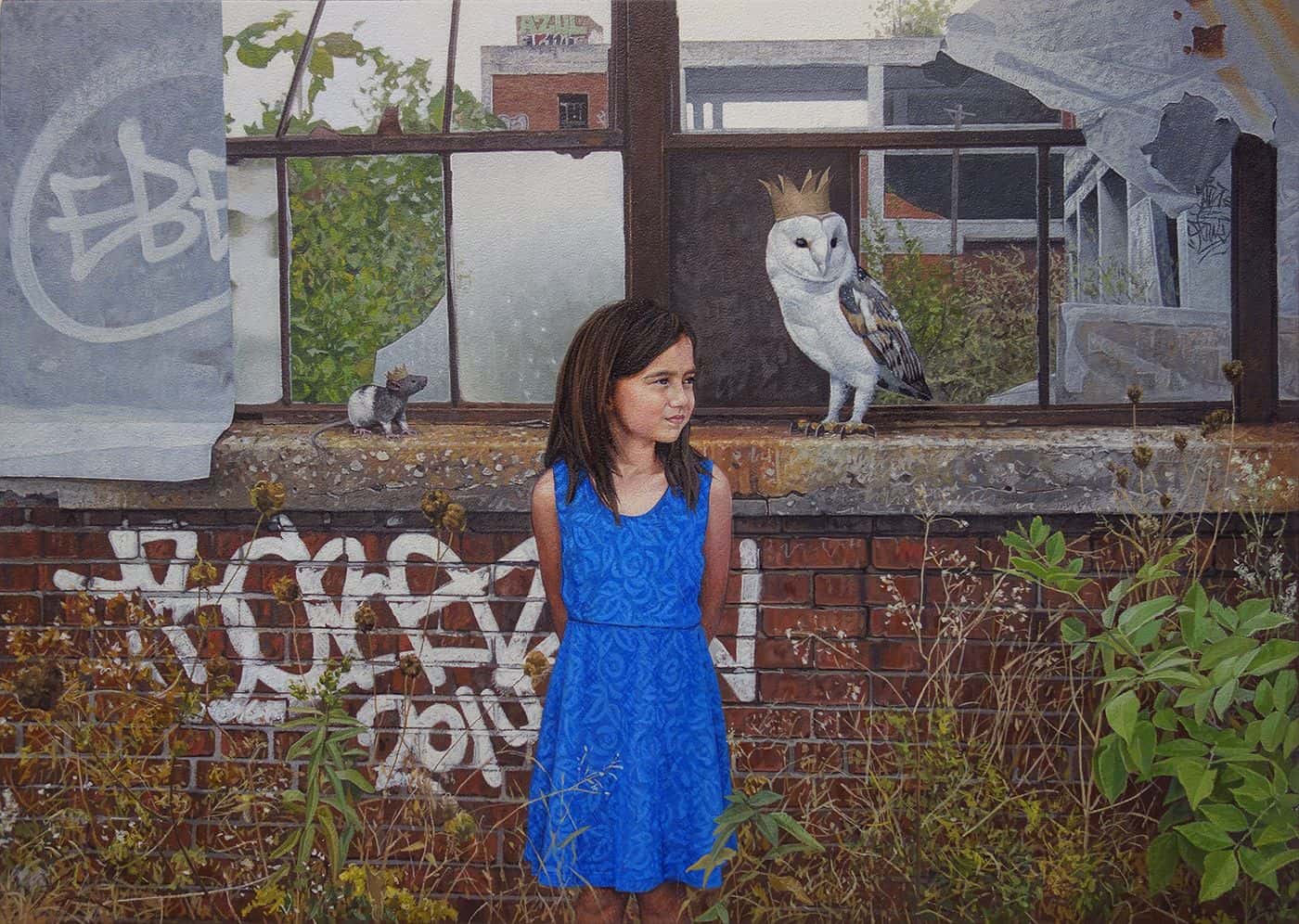
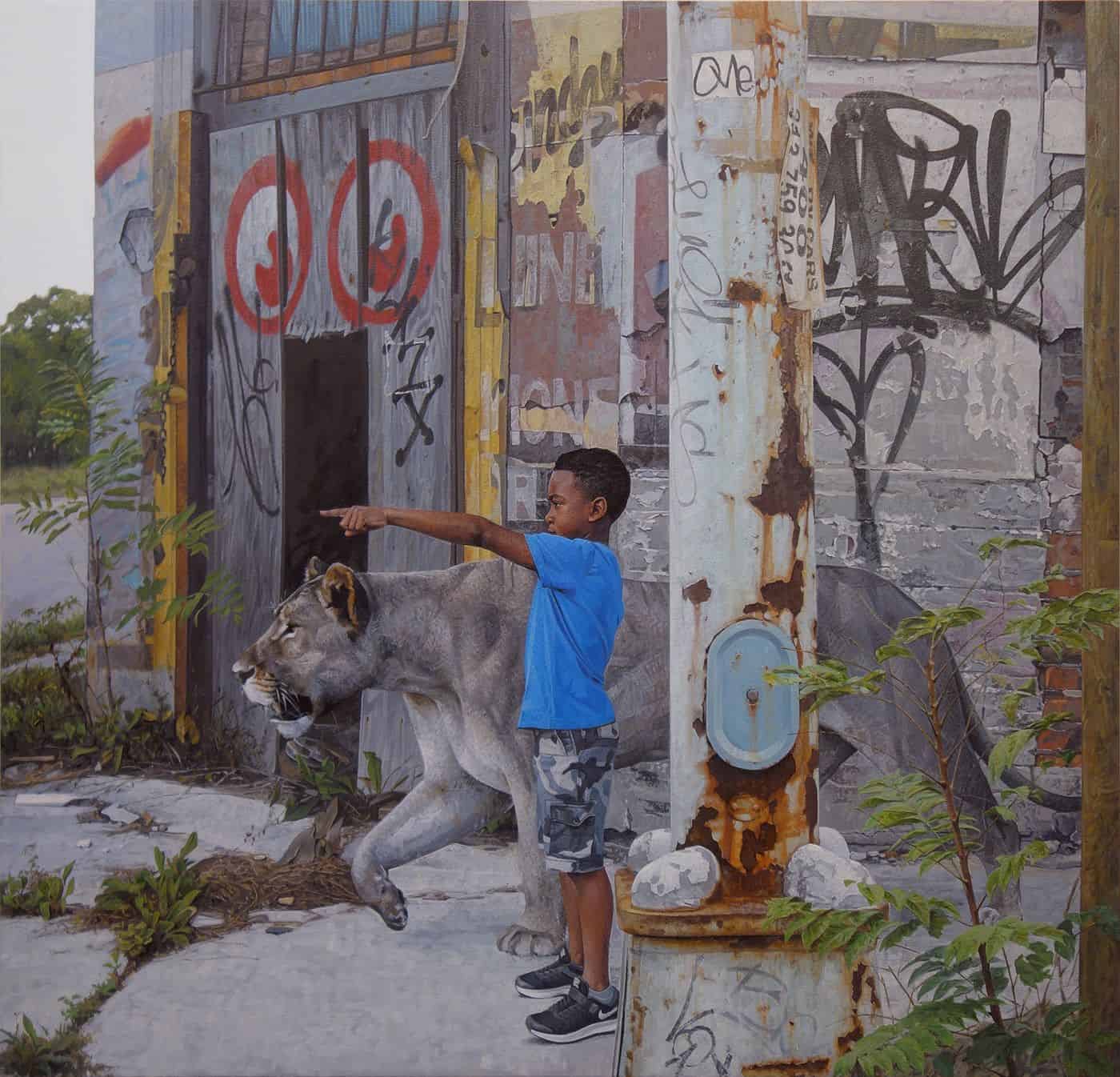
Paintings of Children with Animals In Decaying Urban Landscapes by Kevin Peterson

Kevin Peterson continues to paint in-depth illustrations of young children and animals juxtaposed against dystopian urban environments. Kids, accompanied solely by polar bears, lions, and raccoons, are at the center of each painting surrounded by deserted, decaying buildings. Whereas his earlier paintings revealed the children are striding forward and researching, more lately his young subjects have been paused, seeming to be in moments of reflection or defiance.

Peterson studied fine art alongside psychology in school, and his diverse career included a graduate level in social work and a job as a corrections officer before he returned to his art practice in 2005. The artist’s interest in psychology and social dynamics helps inform the intention behind his works, which Peterson describes as dealing” with isolation, loneliness, and longing teamed with a level of optimistic hope. Problems of race and the division of wealth have arisen in my recent work. This work deals with the idea of rigid boundaries, the optimistic breakdown of these constraints, as well as questions regarding the forces that orchestrate our behavior.”

He shares his works in progress and completed paintings on Instagram.

H/T thisiscolossal

The post Paintings of Children with Animals In Decaying Urban Landscapes by Kevin Peterson appeared first on FREEYORK.
Tuesday, July 10, 2018

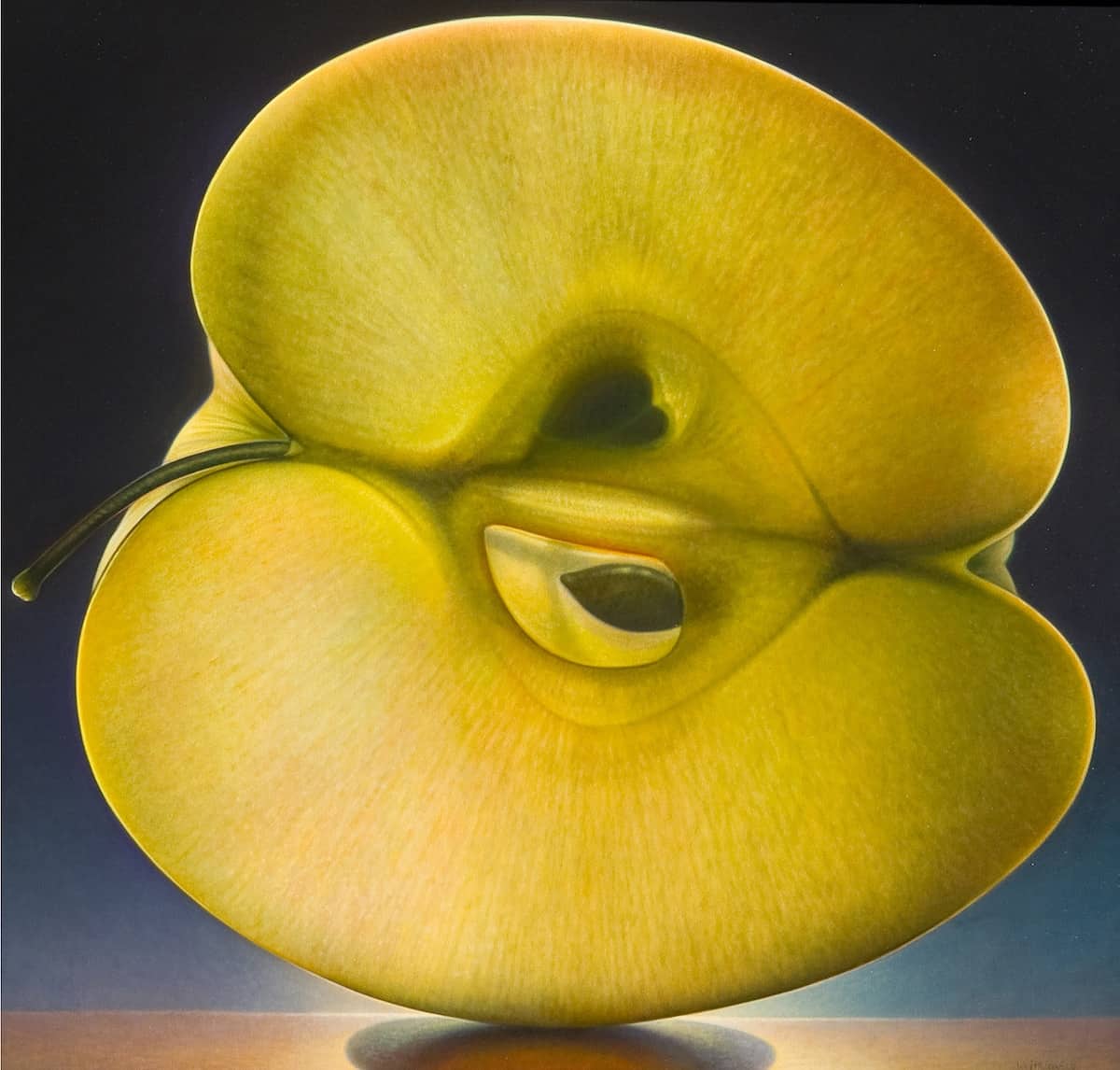
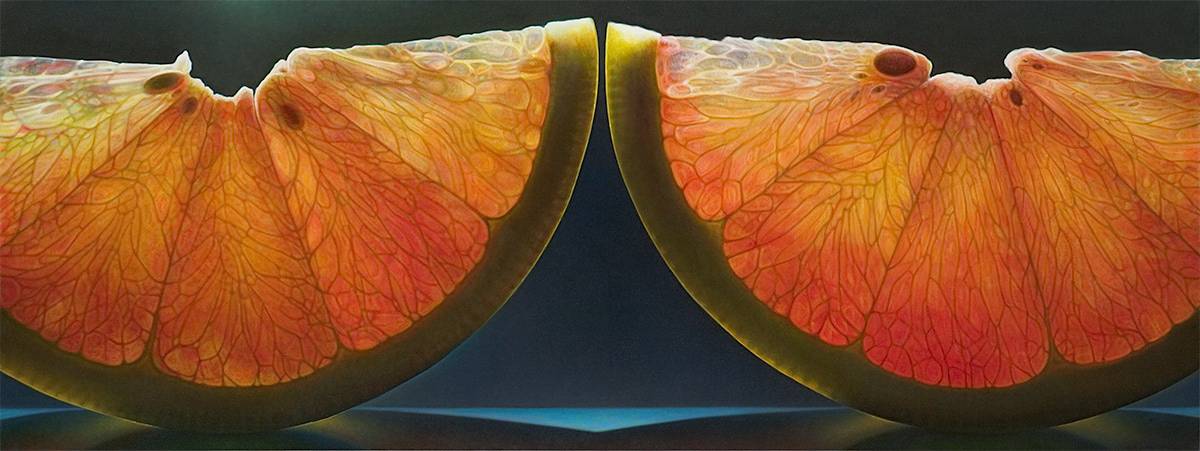
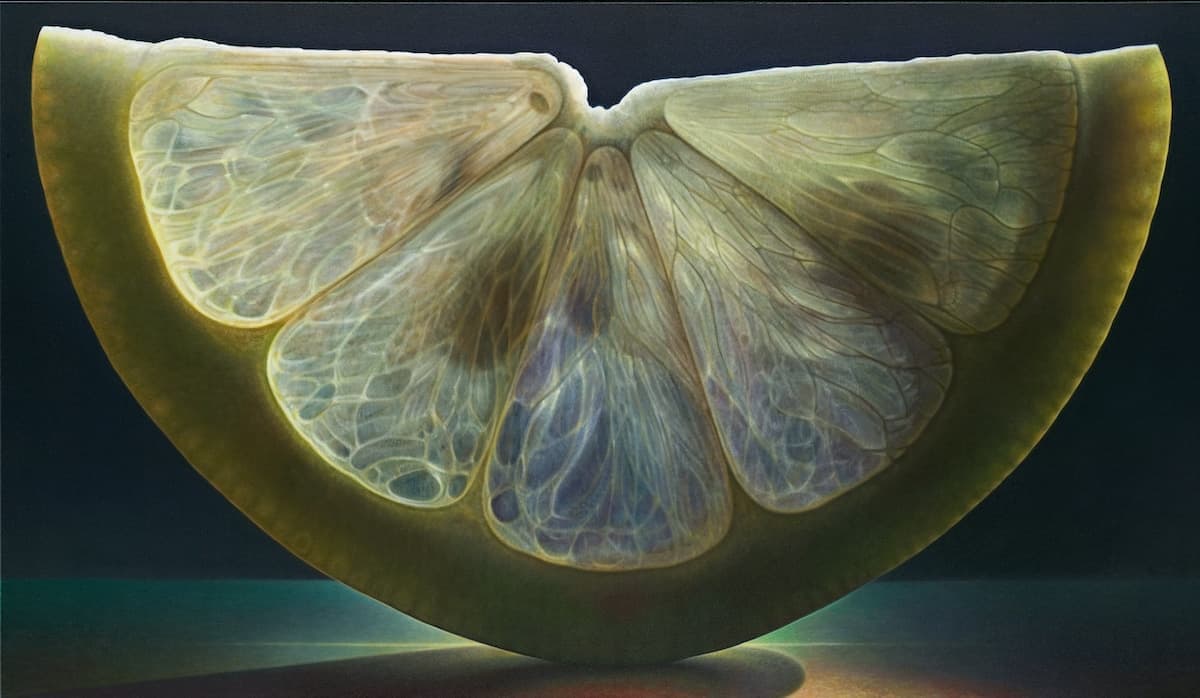
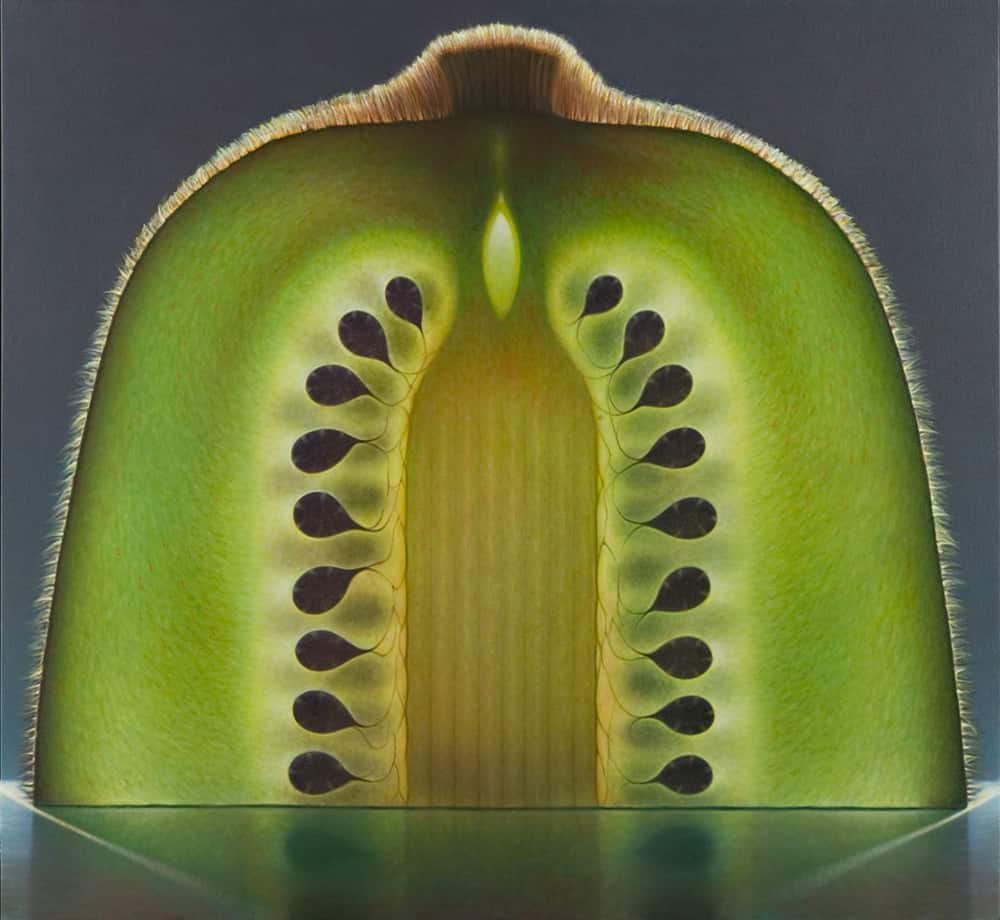
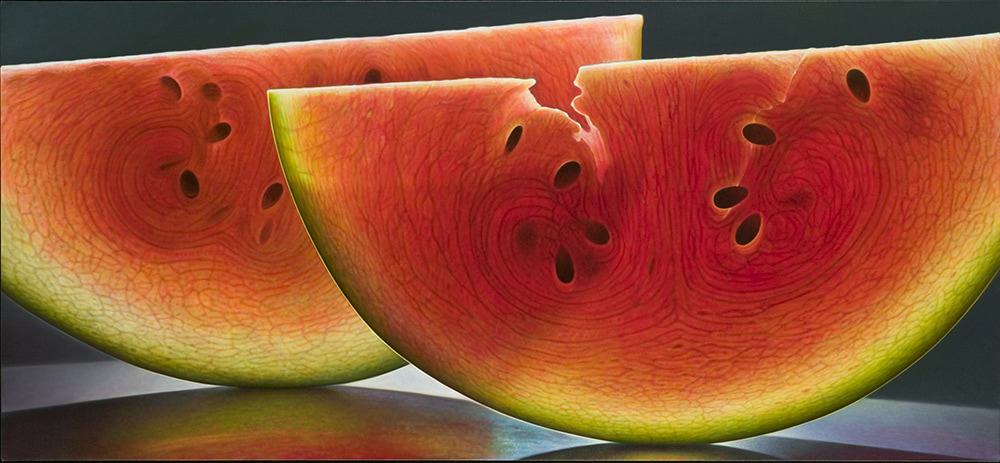
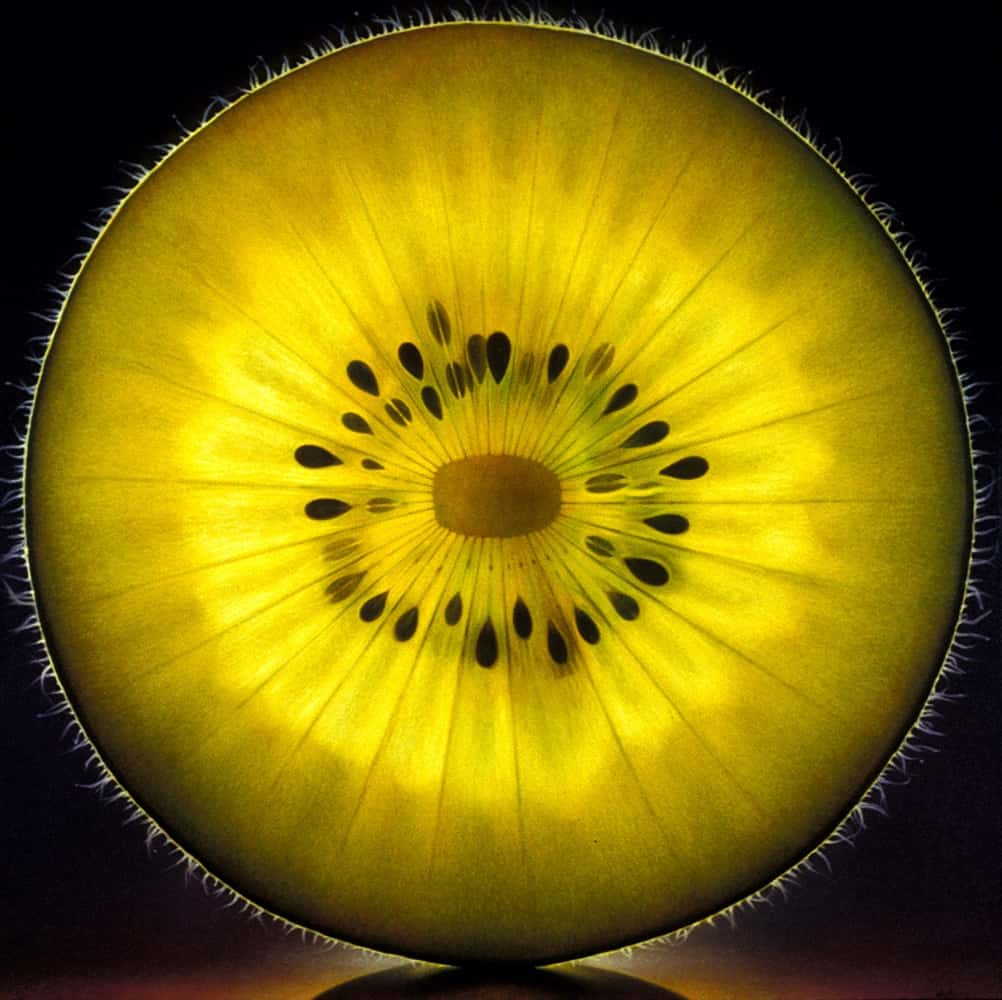
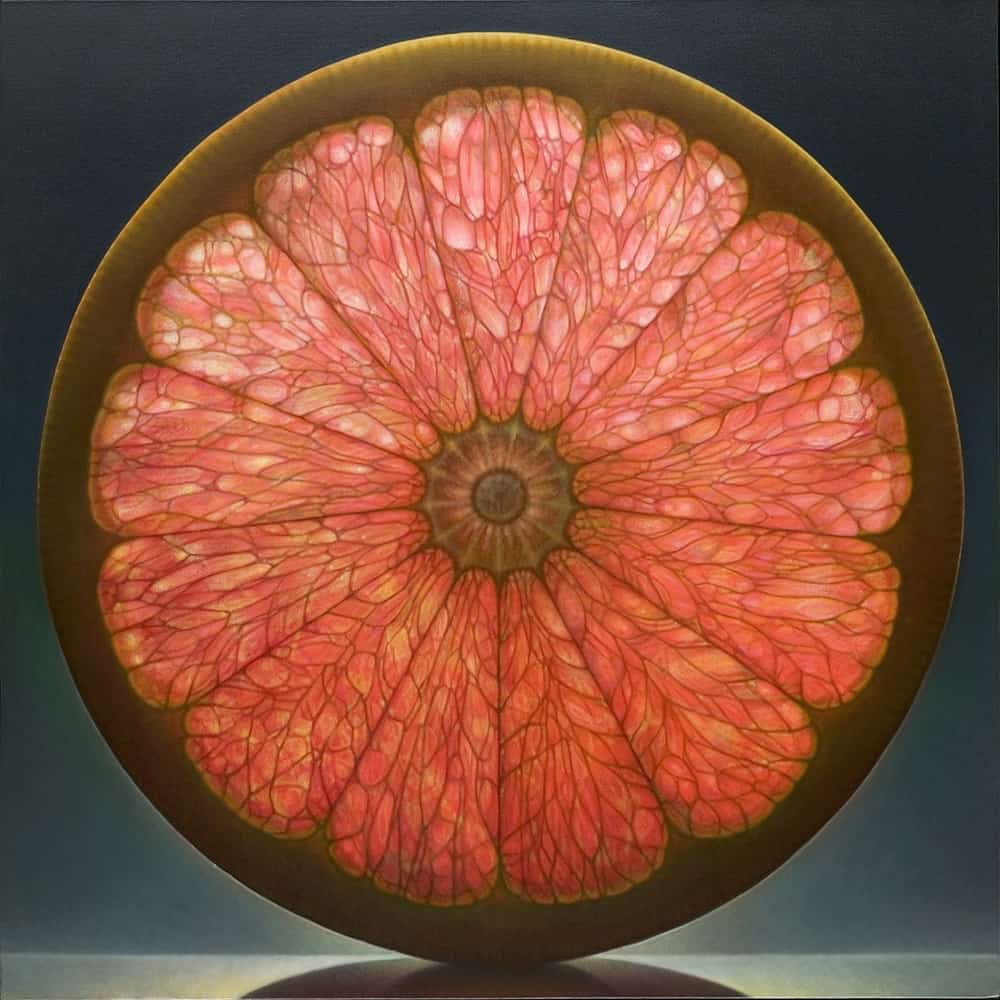
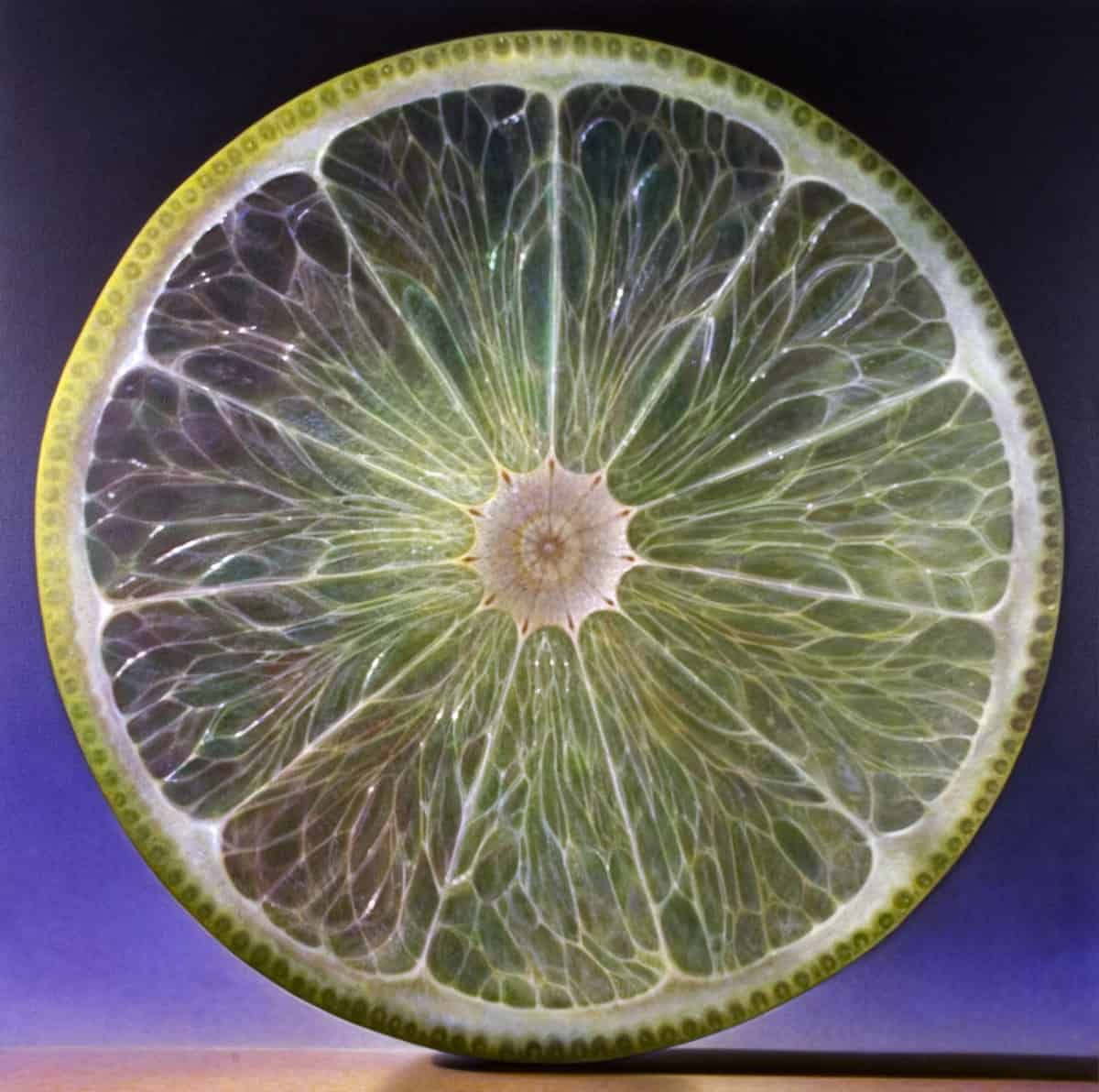
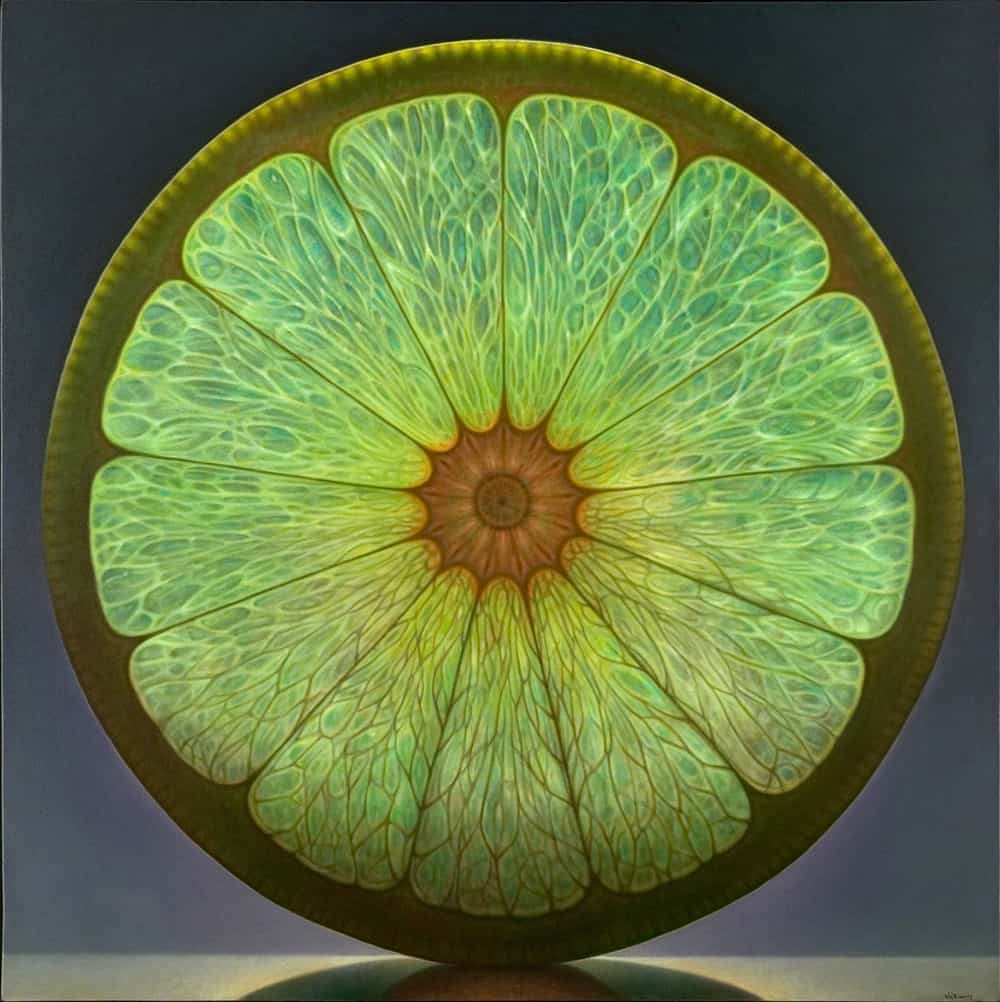
These Enormous Portraits Capture the Juicy Details of Fruit

Ohio-based artist Dennis Wojtkiewicz generates large-scale oil paintings of fruit that seem so real; they may make you want to reach the canvas and have a bite.

Wojtkiewicz shared with My Modern Met in an email,”I was a figure painter. However, the literal read of the people in my paintings always caused me some consternation. Employing fruit subject matter gave me much more latitude in constructing a picture. I am attempting to approach an extremely accessible, traditional format (still life) in perhaps a more modern way–minimum in form yet quite complicated in the process.” Painted with soft highlights and shadow, each piece seems to shine like a light is shining behind the translucent fruit flesh. Every vein, seed, and juicy vesicle is rendered with incredible detail, highlighting nature’s perfect patterns and organic shapes.

The series investigates the passing of time, where each bit of ripe fruit is captured at its best before it ultimately decomposes. Wojtkiewicz explains:

“There are some elements from the visual undertow which can serve as catalyst or function to represent themes such as spirituality, relationships (or lack thereof), reproduction and, generally speaking, the transitory nature of all living things. When I go in the studio, it is with the intent of imbuing the paintings with a living spirit and to realize something which will connect with the viewer on a beautiful or even metaphysical plane.”

H/T thisiscolossal

The post These Enormous Portraits Capture the Juicy Details of Fruit appeared first on FREEYORK.
Friday, June 8, 2018

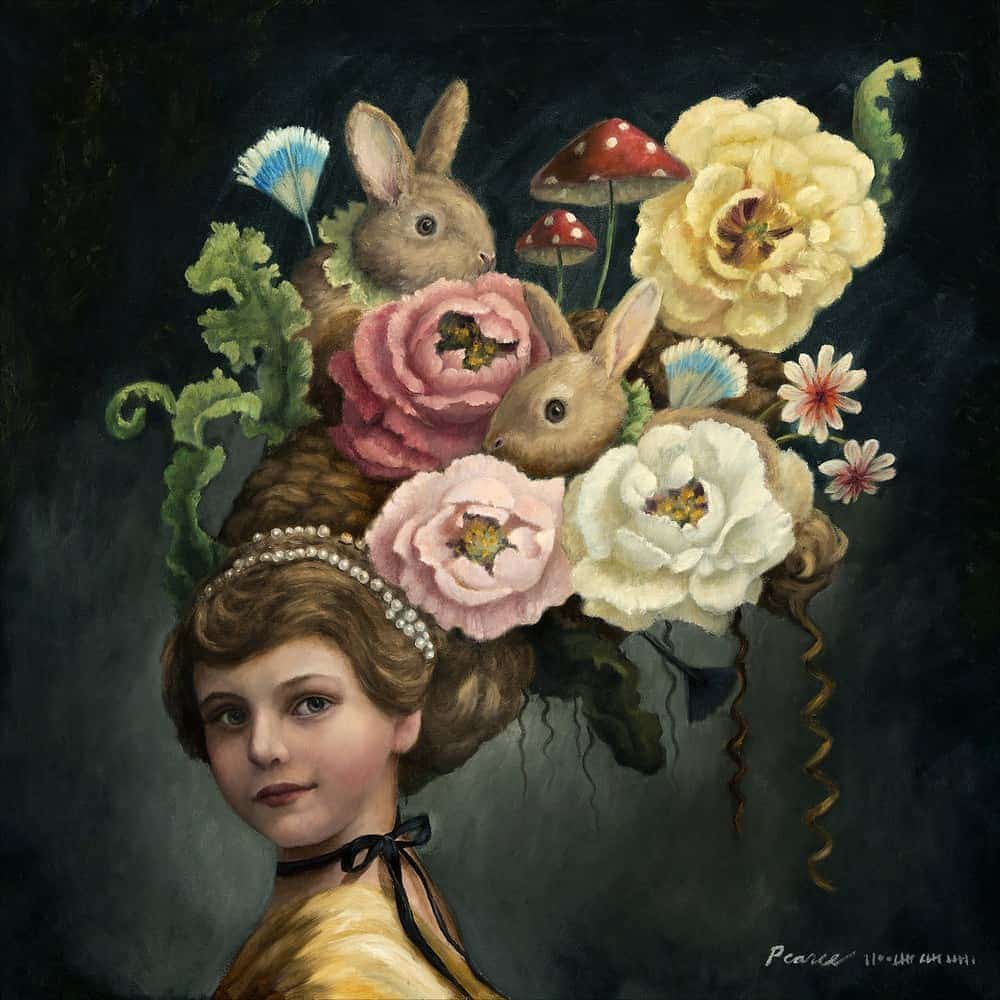
Carrie Pearce’s 16th-Century Inspired Portraits of Children

The strain of fanciful realism found in Carrie Pearce‘s oil paintings calls upon both 16th-century masters along with the drawing mode of the kids she’s depicting. The artist says that she paints “psychological portraits,” rather than simply portraits of individuals. She says that her paintings are”aimed to amuse you and convey events real or imagined through paintings, improvisation, and embellishment.”
“The underpinning of my work is the narrative,” Carrie states. “I guess you can say I’m a’Story Painter of Half-truths.’ I aim to make an image that has not ever been seen via Imaginary Realism. I enjoy digging stories out of my brain and producing a new world on the plane of the two-dimensional panel. It’s a story, Every individual, animal, and object came from somewhere and conveyed its history just like a ghost. Maybe this is why I am drawn to the haunting, turn of the century photographs for my subjects. Where did you come from? What became of you? They rarely answer…”

H/T hifructose.com

The post Carrie Pearce’s 16th-Century Inspired Portraits of Children appeared first on FREEYORK.