Showing posts with label installation. Show all posts

Monday, January 28, 2019

An Exhibition “Beyond Time” By Chiharu Shiota

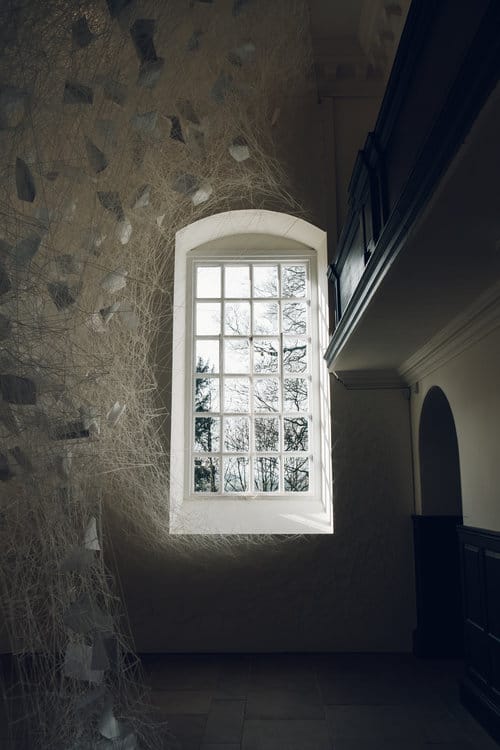
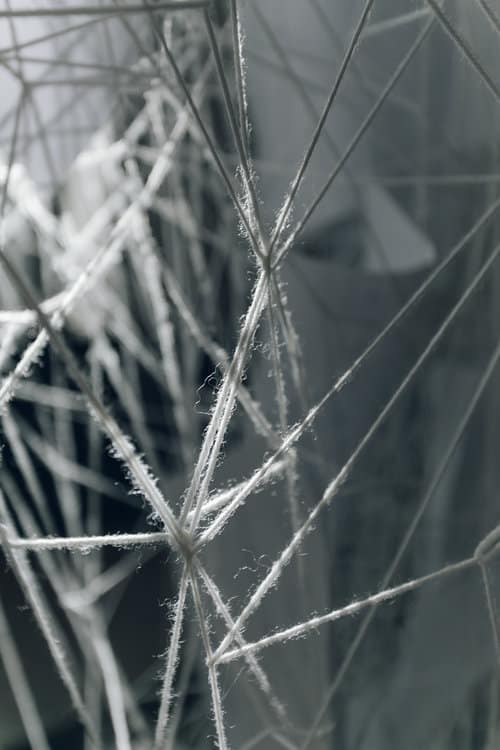
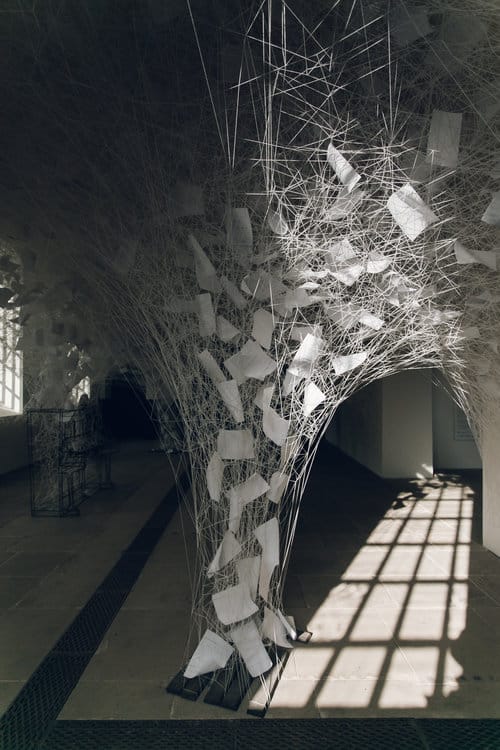
“Beyond Time” the site-specific installation by Japanese artist Chiharu Shiota will give you a ghostly piano frame that releases swarms of white thread and sheet music. This is installed in an 18th-century chapel.

image source: Haarkon

Colour is important and carries much symbolism for Shiota. She uses it with positive intent; to represent ‘newness’ in death as opposed to an ending.

The post An Exhibition “Beyond Time” By Chiharu Shiota appeared first on FREEYORK.

Monday, December 17, 2018

Zac Hacmon’s AFTERLIFE series hints at the ‘in-between’ spaces

Artist Zac Hacmon is known for utilizing architectural design and ubiquitous materials to develop simultaneously recognizable and unrecognizable non-places: spaces without history or identity, yet are entirely familiar. His work elevates and bends traditional architecture and material usage, focusing on techniques and elements both from the old and the modern, creating “super-modern” architectural models for space-age, futuristic and imaginary worlds. He aims to challenge accepted notions of necessity, functionality, and memory.

Afterlife, a series of tile-based sculptures consisting of 4×4 inch white industrial tiles, encouraging viewers to consider  memory, time, displacement and altered states of ‘being’. The artist began to consider this portal-like concept with the recent loss of a loved one.

The tiles are representative of the artists’ everyday surroundings; subway stations and domestic areas. Public spaces relating to and reflecting the private, each influencing the other. One of the sculptures is equipped with 16 grab bars suggesting safety and security, yet defective.

Several forms are sealed with transparent glass acting like filters or triggers, capturing the space inside these structures, giving a false sense of depth and the notion of another dimension within the form. Viewers are momentarily disoriented by what seems familiar and logical, yet they eventually realize the opposite is true.

Hacmon describes the individual pieces as “devices”, operating with efficiency rather than as a passive object. These “devices’ can be considered, portals; a gate or gateway to somewhere unknown. Shown together, the series of sculptures can be seen as multidimensional or shrine-like.

“I’m interested in the ‘in-between’ spaces, like corridors, borders, transit hubs. There’s something fascinating that draws me to this, like the psychological shift that occurs between places, between a person’s role in one location to another. In my work there’s an attempt to catch the moment of the shift itself. The fragments in my work come from these places, like the ceramic tiles, reminding us of a subway station that is in-between destinations. These places, and alterations of role can offer a sense of freedom.” Zac Hacmon

Zac Hacmon (b. Holon, Israel) is an artist based in New York.  Hacmon uses architecture as a mediator and is interested in notions of the non-place: spaces without history or identity. His work operates with the efficiency of a device rather than as a passive object.

Check out his work at www.zachacmon.com

The post Zac Hacmon’s AFTERLIFE series hints at the ‘in-between’ spaces appeared first on FREEYORK.

Friday, October 19, 2018

Indoor Installation of 10,000 Plants Explores Connection Between Threatened Australian Grasslands and Architecture

Australian design studio Baracco+Wright Architects, worked together with artist Linda Tegg to create ‘Grasslands Repair’ for Australia’s Venice Architecture Biennale pavilion, a 10,000-plant recreation of the grasslands of southeast Victoria.
The indoor installation spans a lot of the pavilion and extends into its outdoor space, with walkways that allow audiences to move among the 65 classes of Western Plains Grasslands plants.

The topic for the 2018 Biennale (which opened in May) is”Repair,” that was described in a press release as a way of considering how structure can”play a role in fixing the places its part of.” Just 1 percent of those grasslands of mid-18th century Victoria still exists– largely the result of urbanization and industrial land use — for Baracco, Wright, and Tegg, Grasslands Repair indicates the actual cost of human land occupation. “The area of plants exhibited is very similar to that consumed by the pavilion,” that the curators stated. “It is also a smaller place than that of a typical Australian household home. Such an area takes around an hour to bulldoze.”

Supporting the living backyard from above is an installation called Skylight, which uses LEDs as a natural light source since the ceiling and walls of the structure block the sun. Through the Biennale, films that explore the subject of Repair are screened to the walls of the Grasslands Repair installation, including Ground, Baracco+Wright and Tegg made that in collaboration with David Fox. Without the history of the area for circumstance, the installation is just another indoor garden perfectly suited to selfies, but using all the understanding of what human interaction has done to native species, it turns into a call to action to attempt to undo the harm we have done.

(via Dezeen)

The post Indoor Installation of 10,000 Plants Explores Connection Between Threatened Australian Grasslands and Architecture appeared first on FREEYORK.

Wednesday, September 12, 2018

A Giant Bouncy Ball Installation in Hong Kong by Snarkitecture

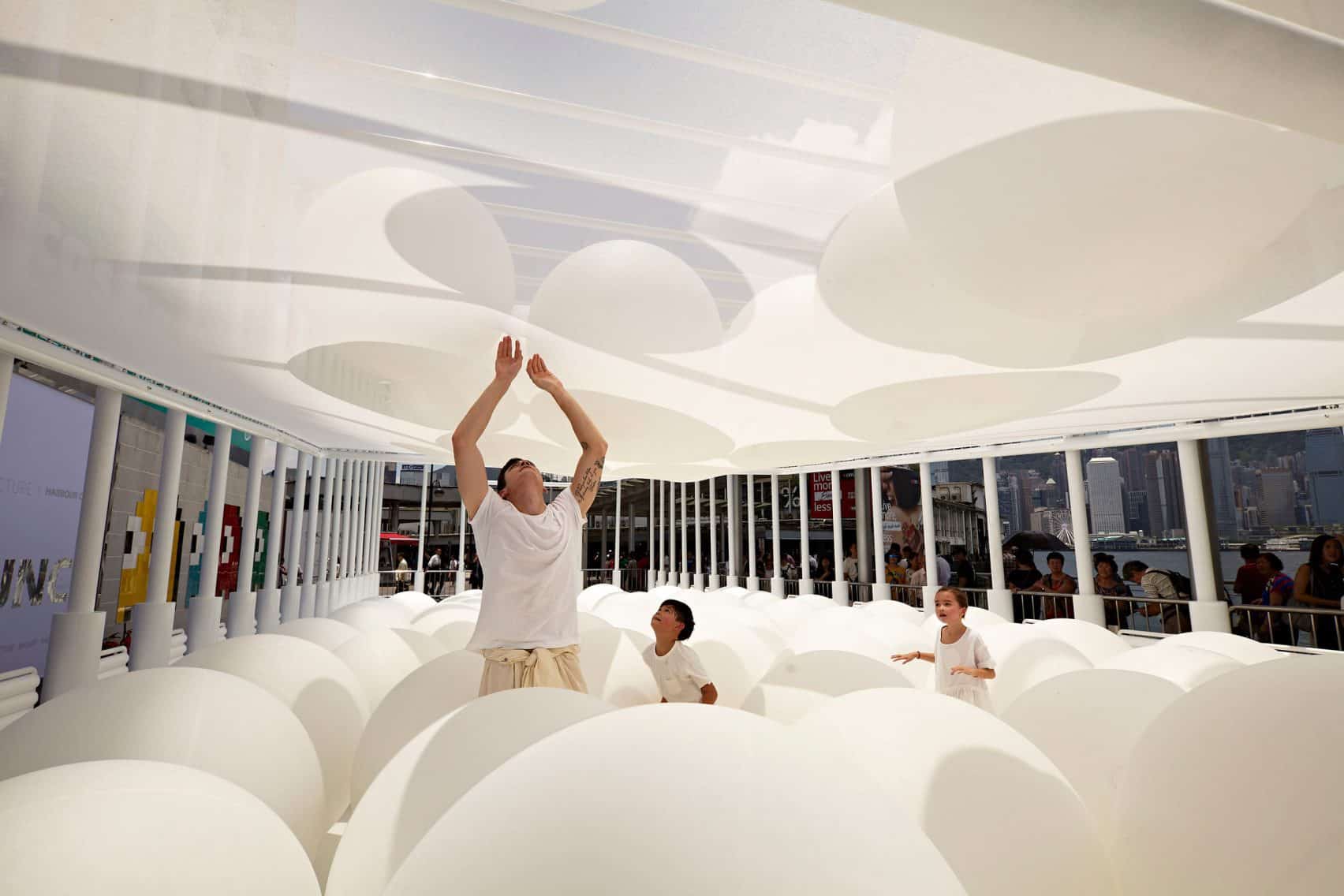
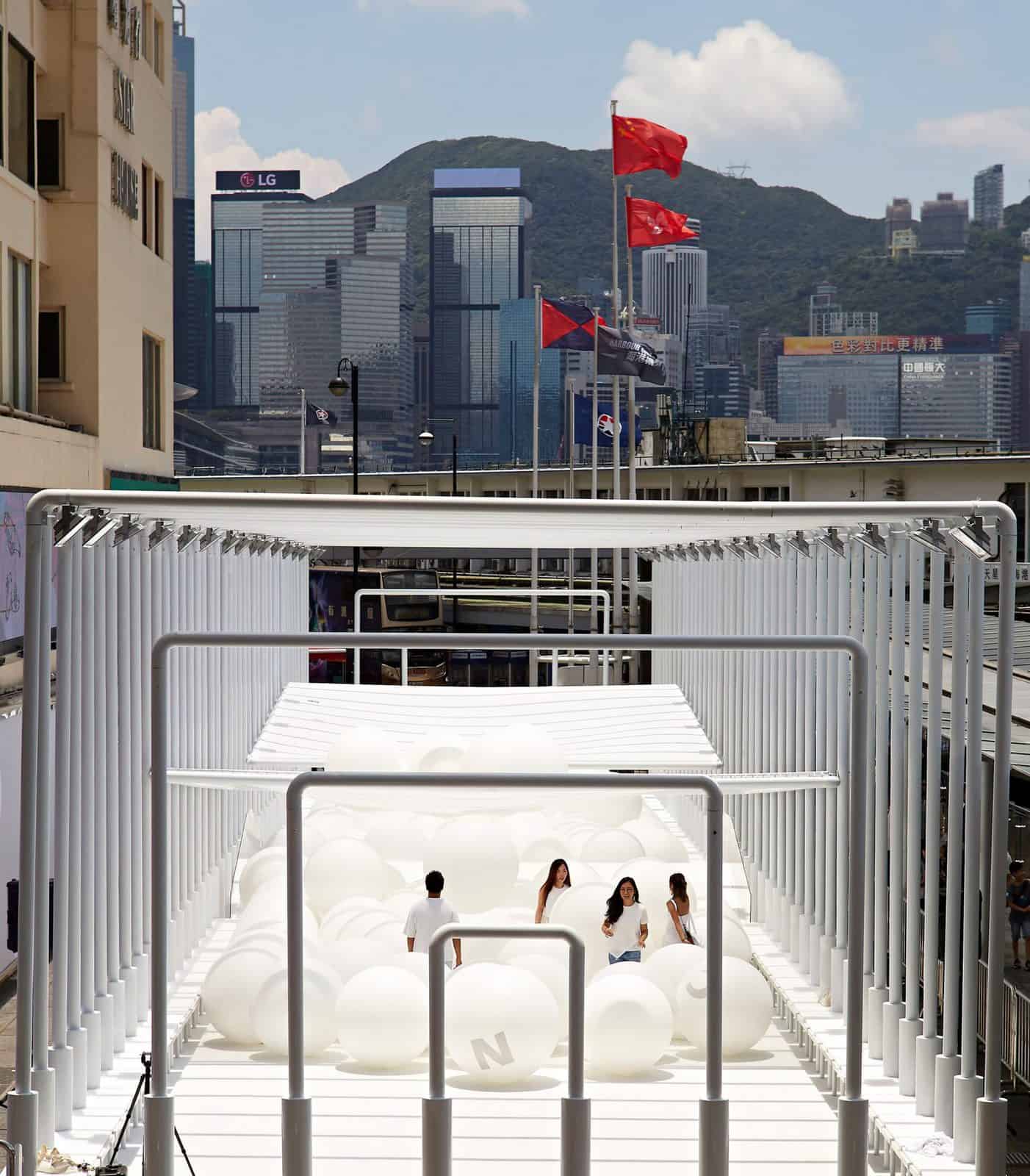
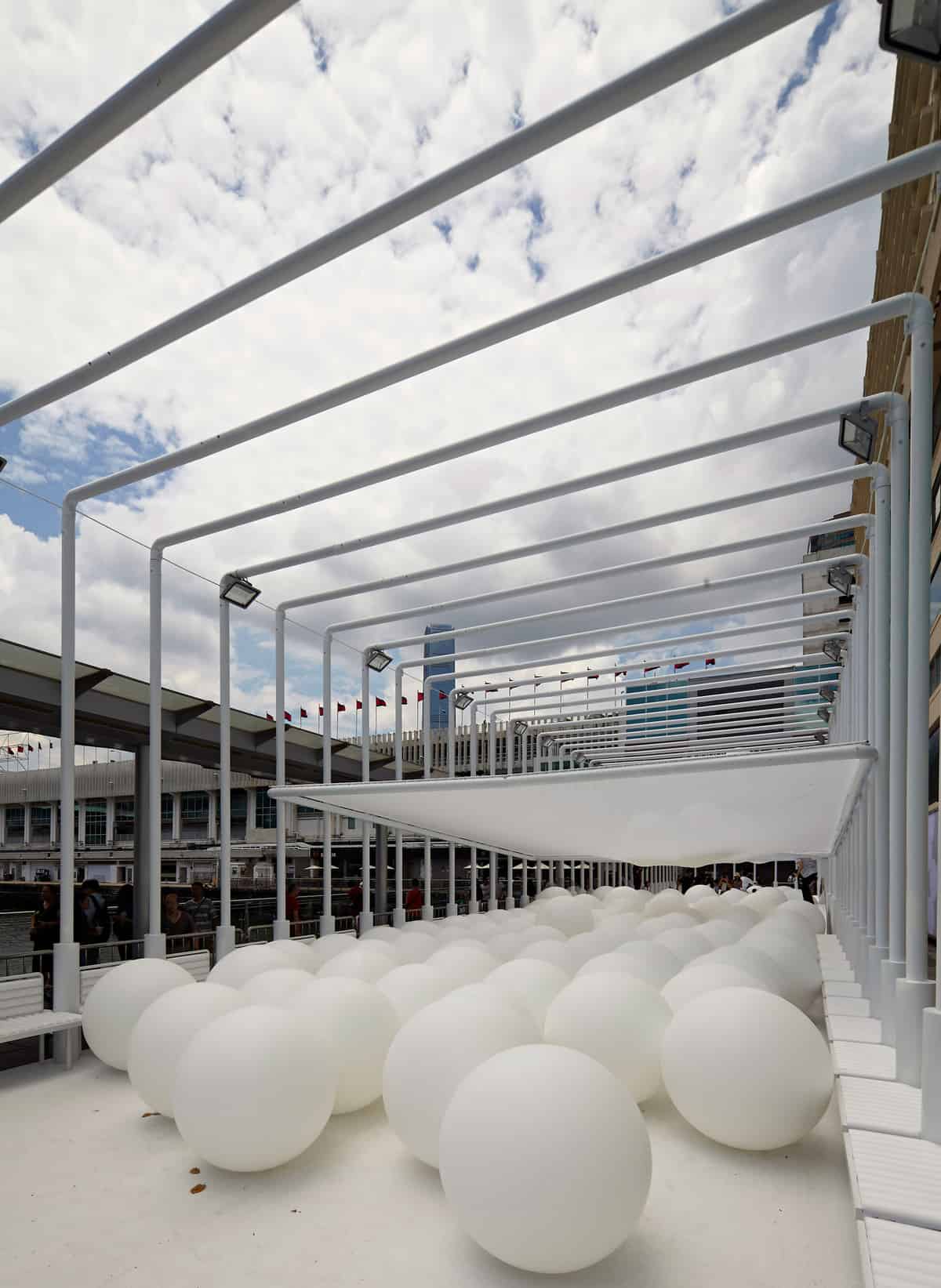
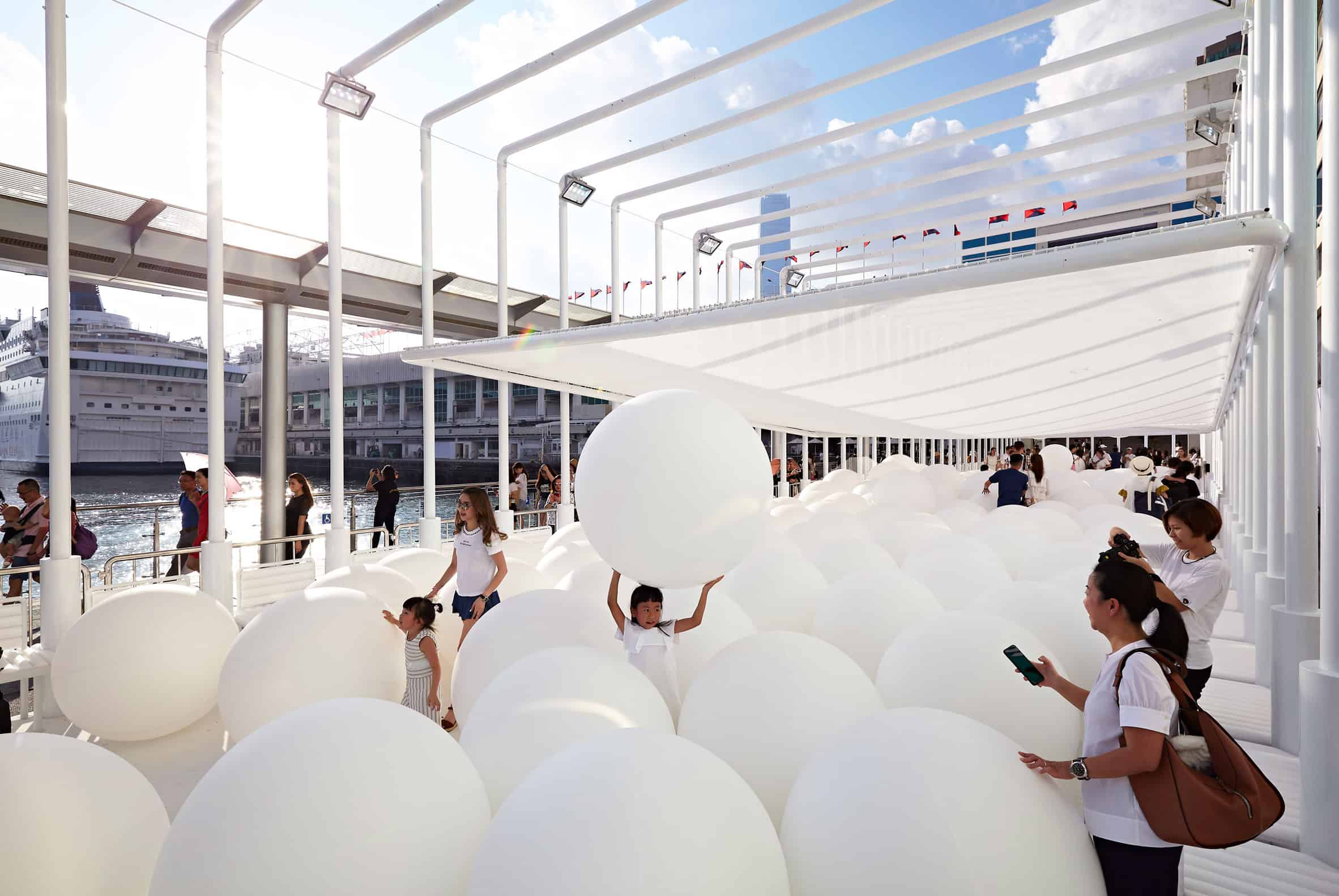
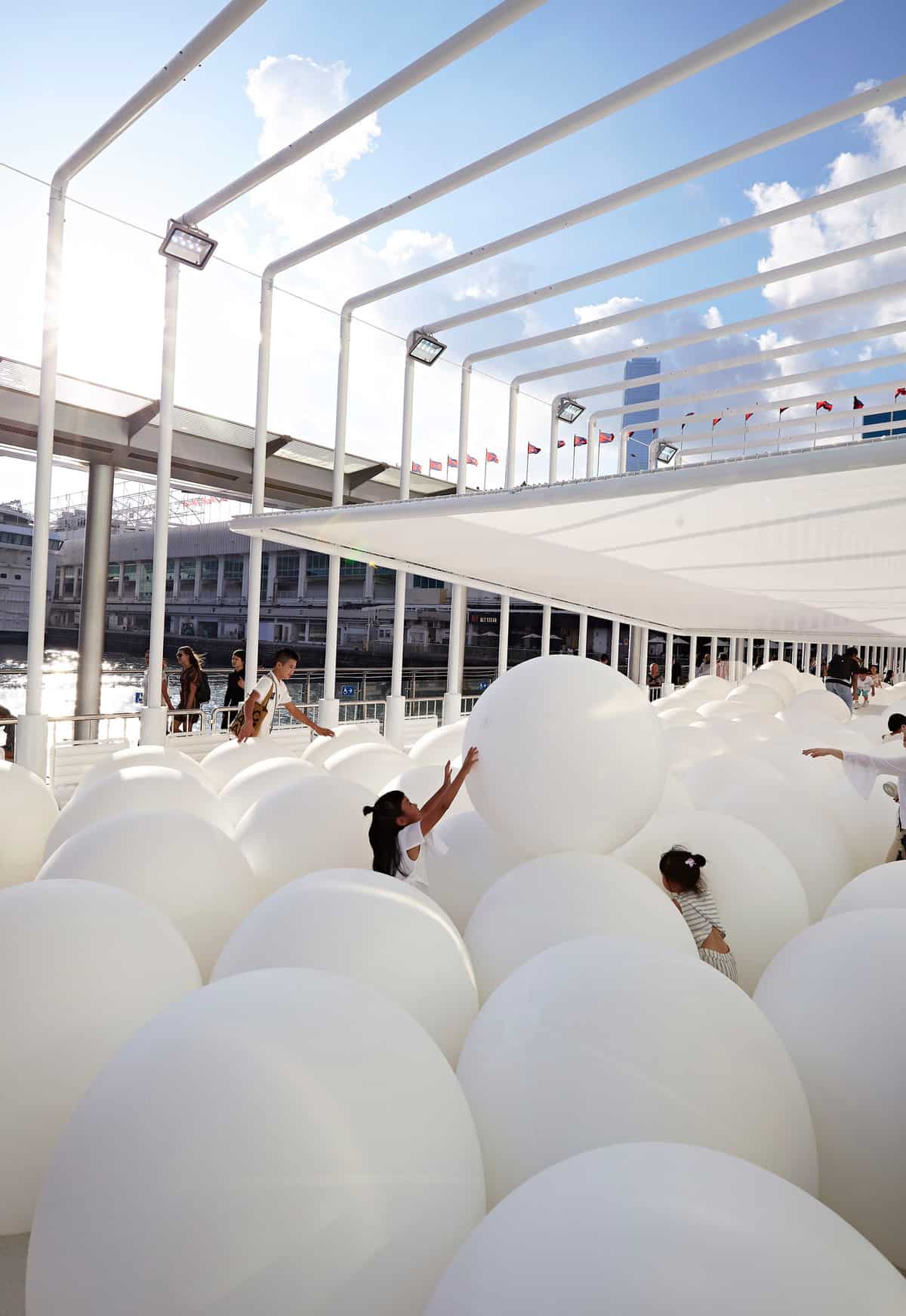
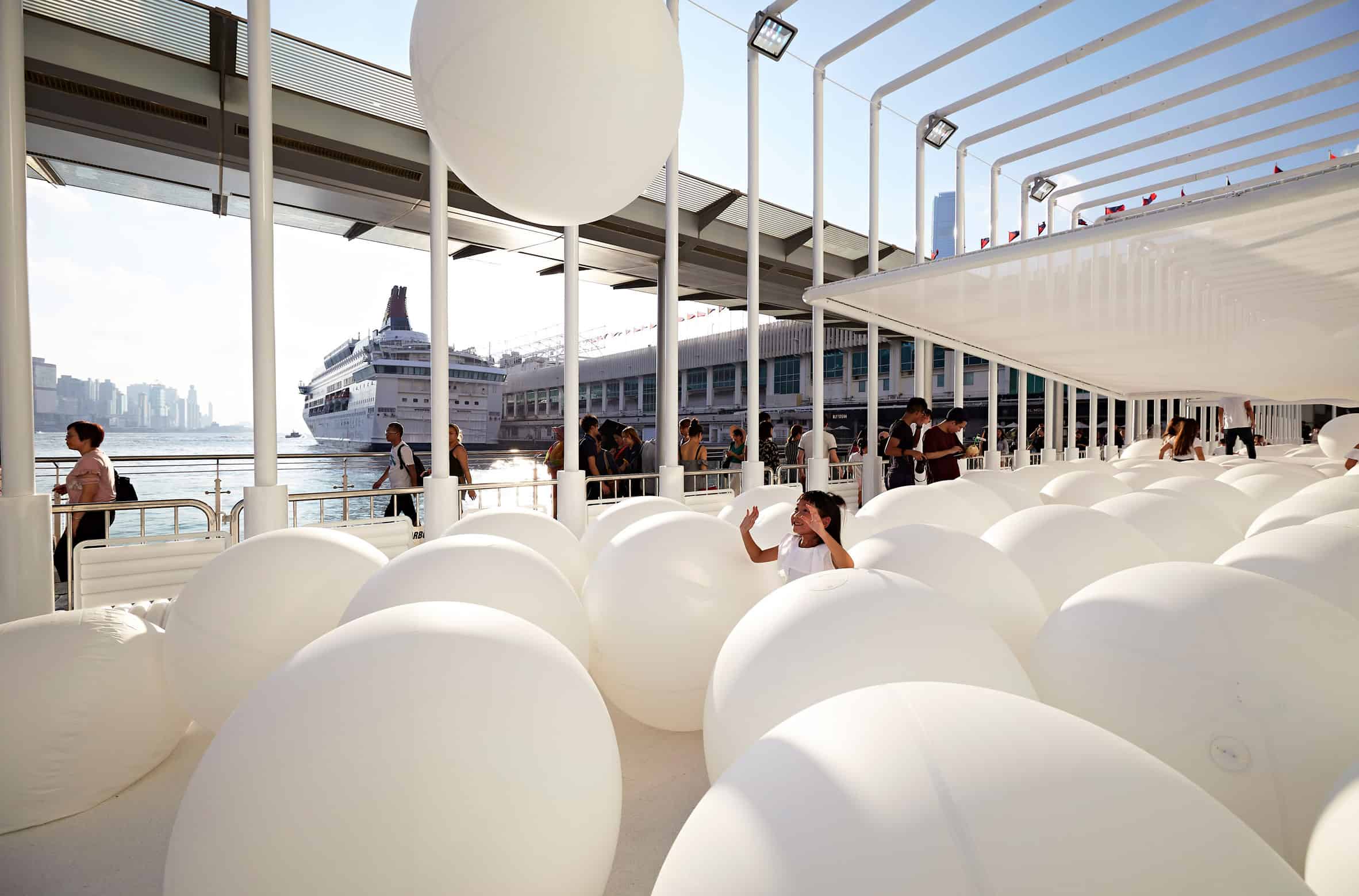
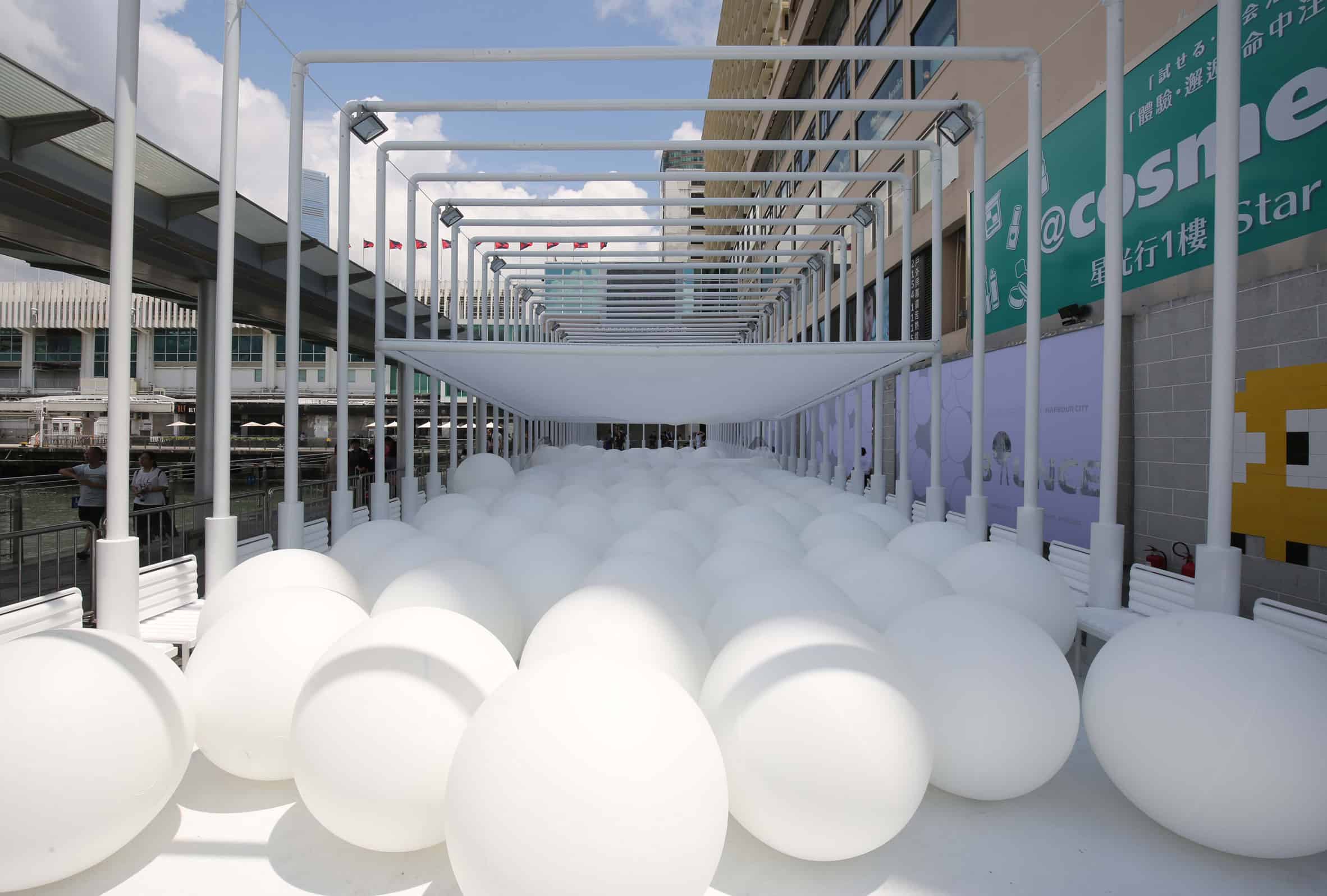
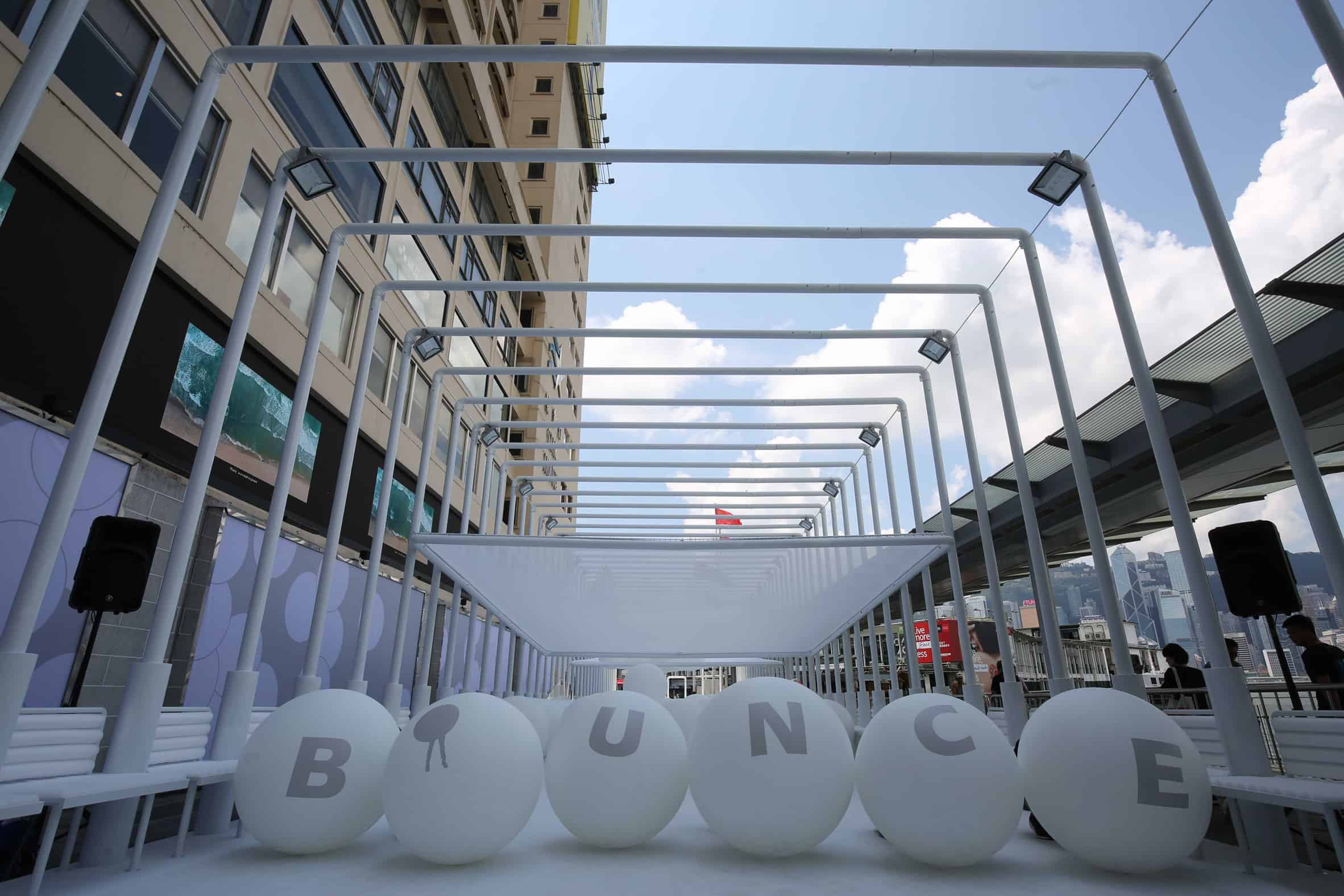
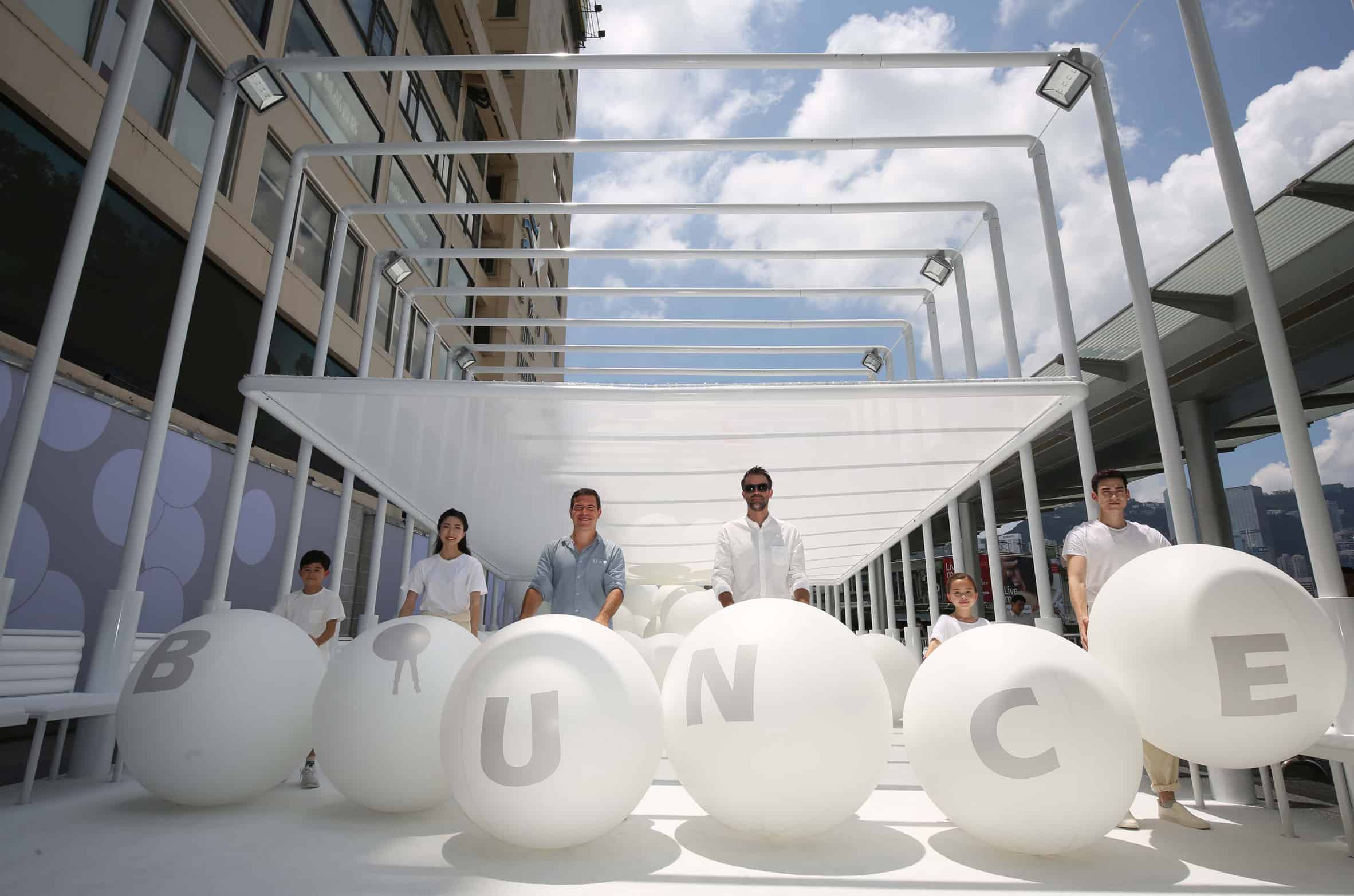
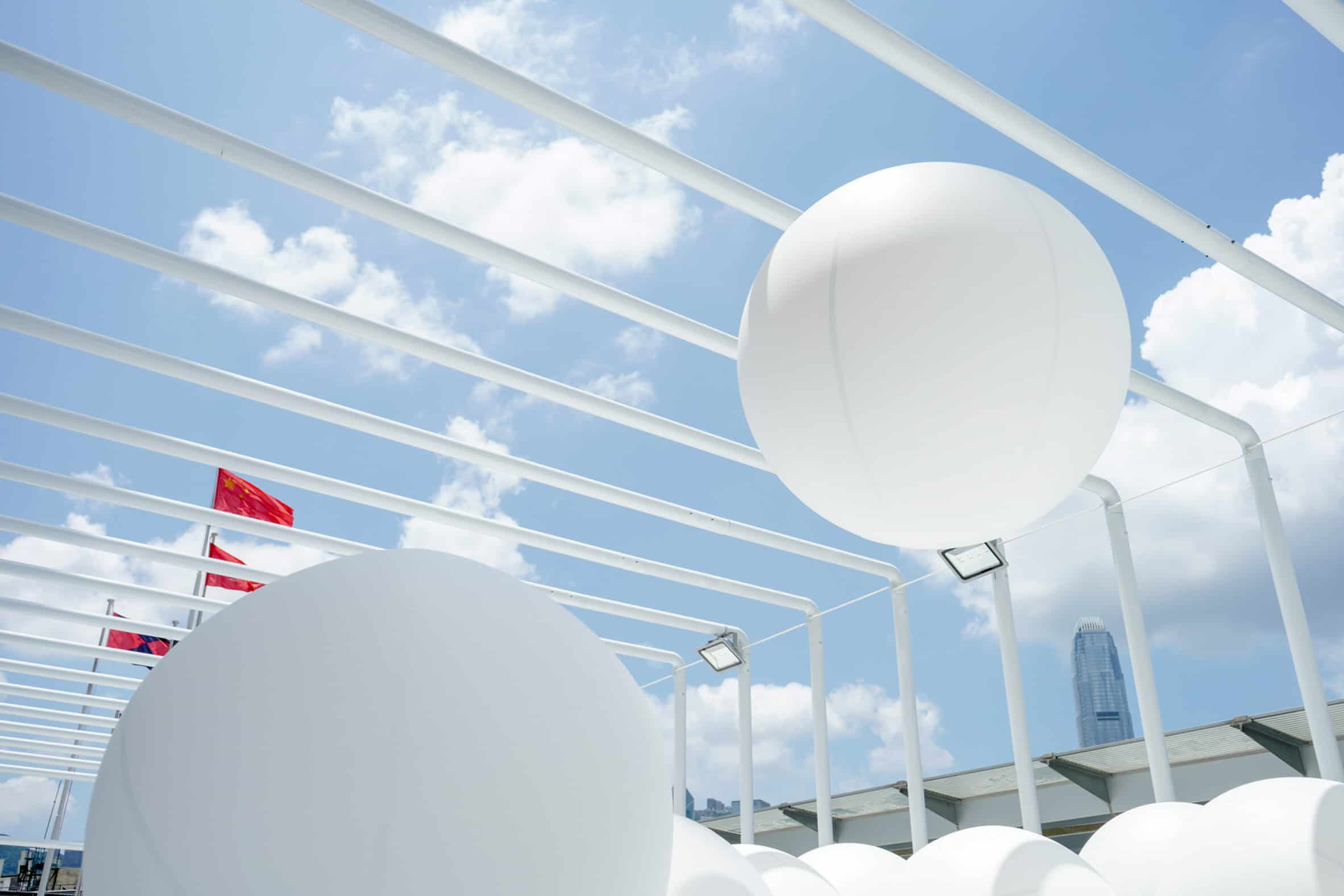
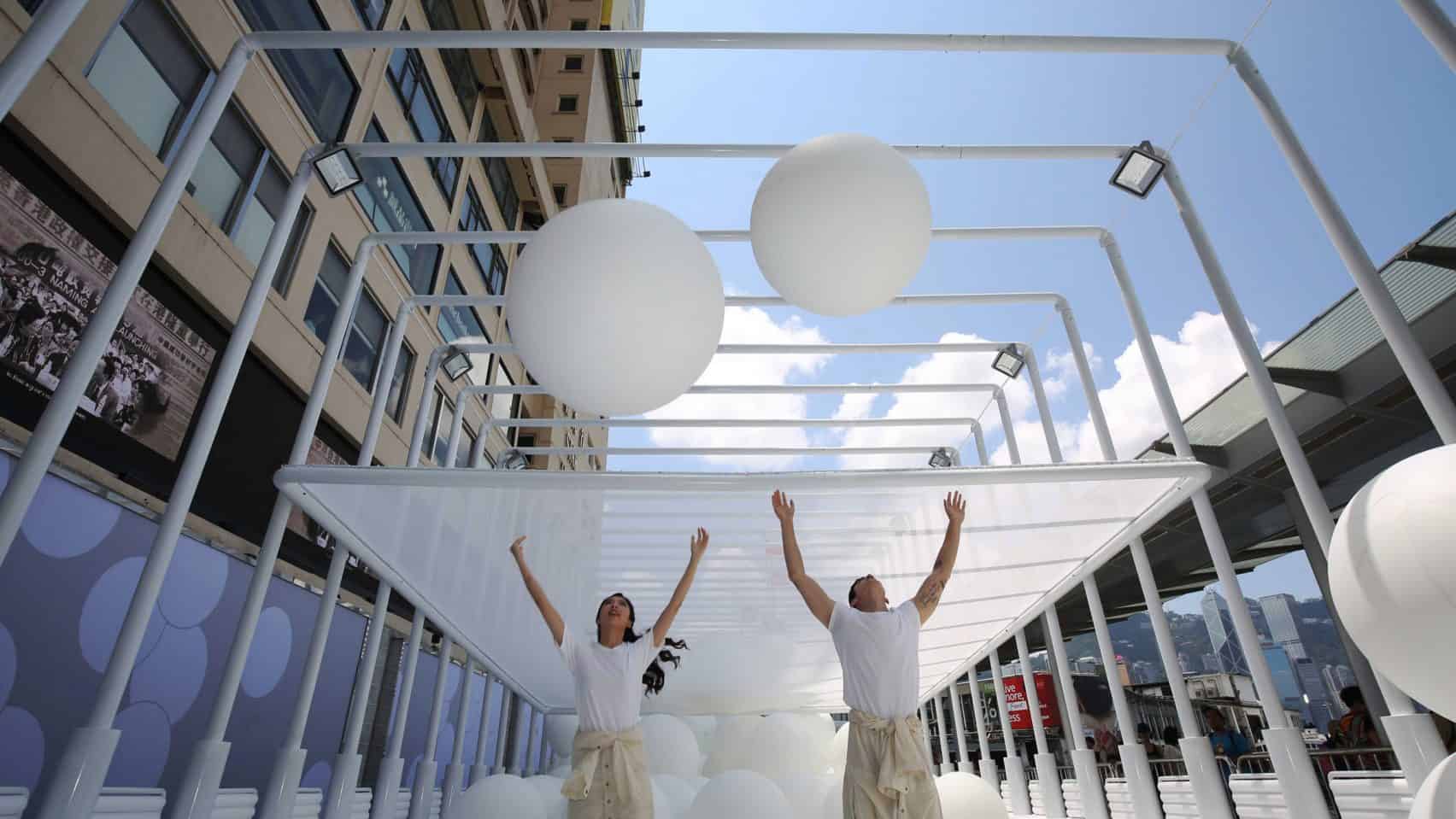
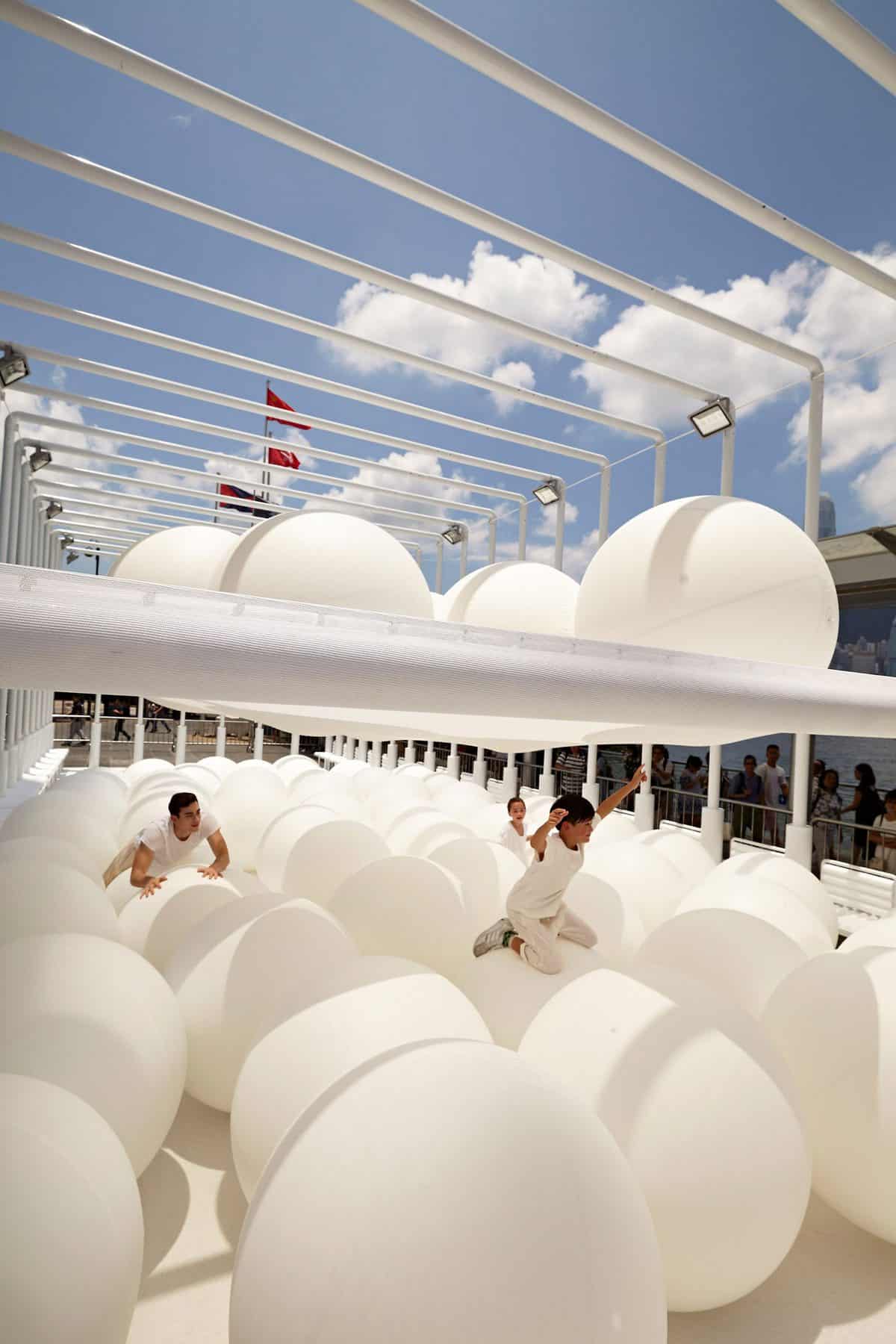
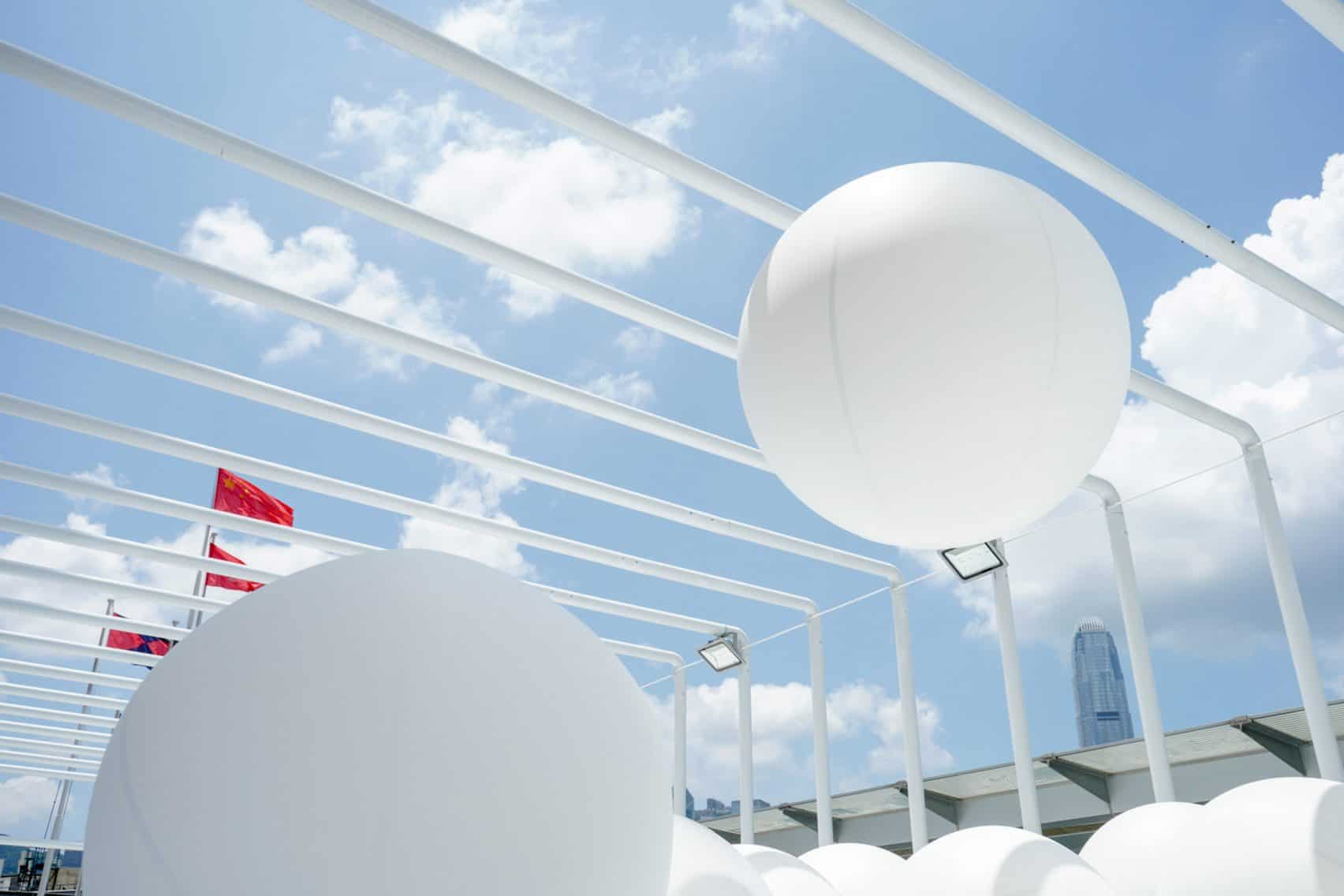
New York-based design studio Snarkitecture has created an abstract interactive playground, full of countless giant bouncy balls, by the water in Hong Kong‘s Harbour City shopping district.

Snarkitecture created the installation ‘Bounce’ to explore the boundaries between architecture and art. The group concentrated on chunks to get their most recent work because the sphere isn’t a shape commonly found in architecture.

“It’s a kind you do not typically see. Spheres are also a direct signifier of play — visitors know they are encouraged to play within Bounce,” said Olivia Colson, studio manager of Snarkitecture

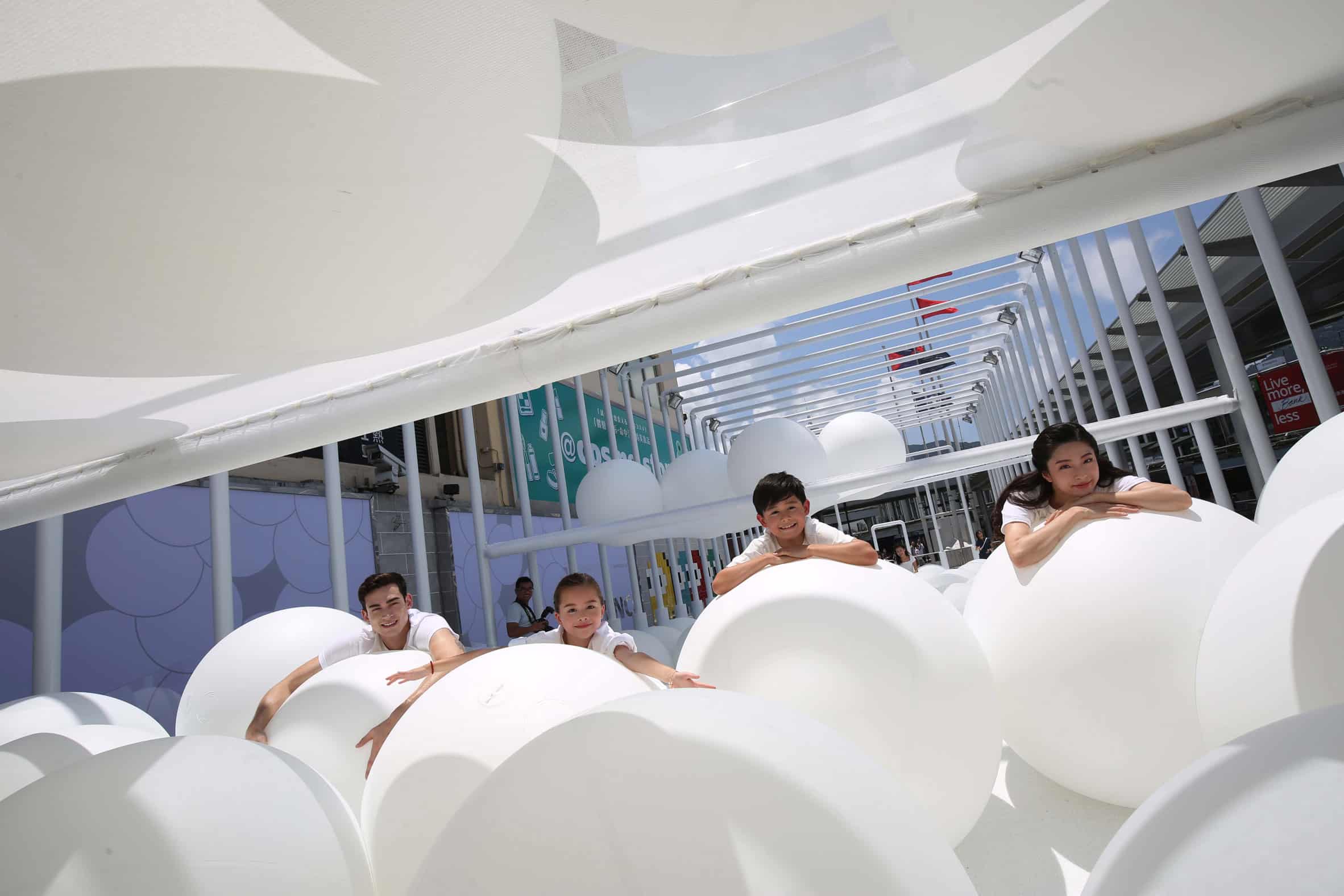
Participants in the outside installation are encouraged to roll, toss or bounce the balls. The structure is a cage structure created from a string of white steel frames placed apart at a width through which the balls can’t escape.

“Although they are free-floating items, the quantity of spheres creates a landscape with thickness, which visitors have to wade through to reach the other end of the setup,” Colson continued.

Visitors may throw the balls on a translucent mesh elevated above their heads to make a field of moving silhouettes since the balls roll towards the middle of the mesh and float back to the ground by means of a hole in its center.

The installation was built locally off-site, and tested, prior to being dismantled and reassembled at Harbour City.

“The use of white is largely about reduction or simplification. Visitors are more aware of the surroundings and total experience if they are not distracted by an abundance of texture or color,” said Colson. “When people enter an environment which concentrates on a single palette, material or gesture, although that distance may reference familiar elements, it is a whole transformation from everyday life,” she continued.

The studio expects that the visitors themselves will offer the color to bring the installation to life.

“The use of white is mainly about reduction or simplification. Visitors are more conscious of the environment and total experience if they are not distracted by an abundance of texture or color,” said Colson.
“When people enter an environment which concentrates on a single palette, material or gesture, although that distance might reference recognizable elements, it’s a whole transformation from everyday life,” she continued.

The studio hopes that the visitors themselves will offer the color to bring the setup to life.
Snarkitecture’s outdoor installation accompanies an indoor display at Gallery by the Harbour nearby, of white and silver spheres that fill up the gallery area. Both the gallery and Snarkitecture installations opened on 10 August 2018, and are on view till 2 September.

H/T dezeen

The post A Giant Bouncy Ball Installation in Hong Kong by Snarkitecture appeared first on FREEYORK.

Friday, August 3, 2018

A Russian Artist Proposes Massive NASA Space Blanket Installation for Burning Man Festival

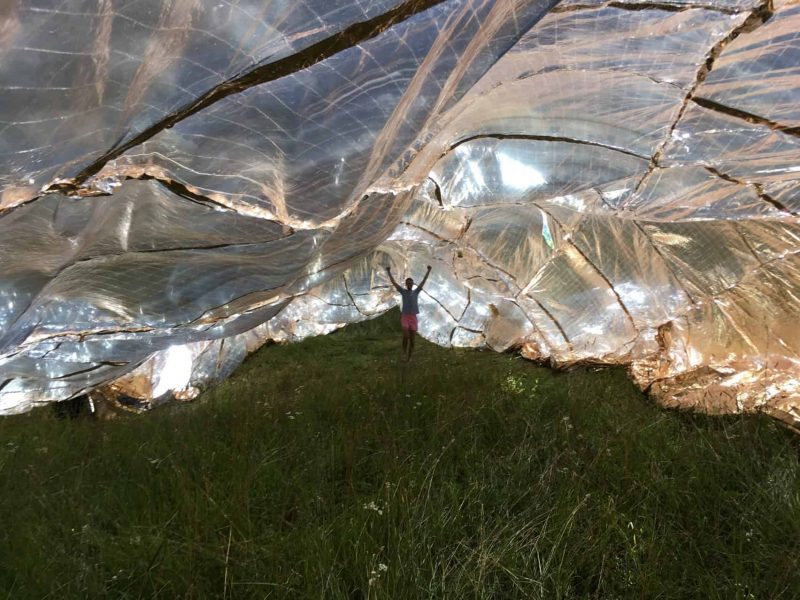
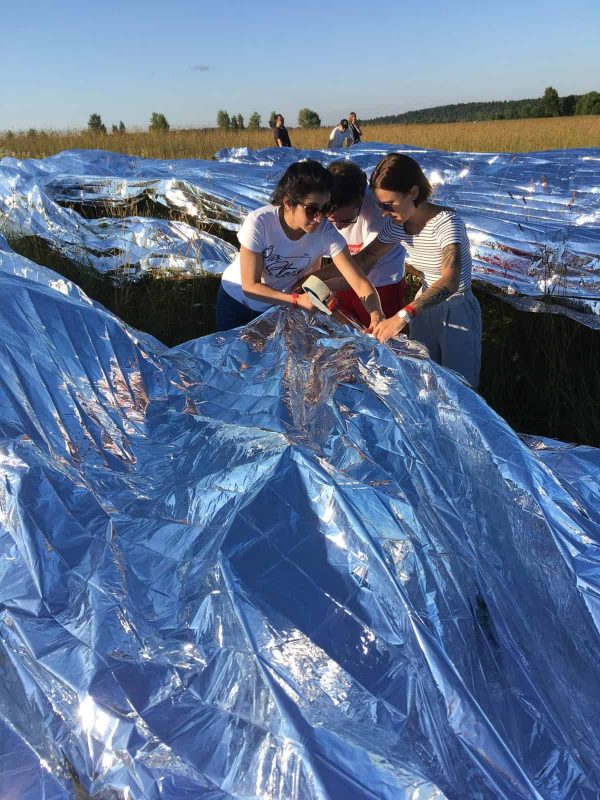
Russian artist Alexander Shtanuk has established a crowdfunding effort to flip NASA’s metallic crisis blankets into an enormous art at this season’s Burning Man festival.

The artist has established a fundraising campaign on crowdfunding website Indiegogo to raise $17,500 to bring the Blanket installation to Burning Man, taking place in the Nevada desert from 26 August to 4 September 2018.
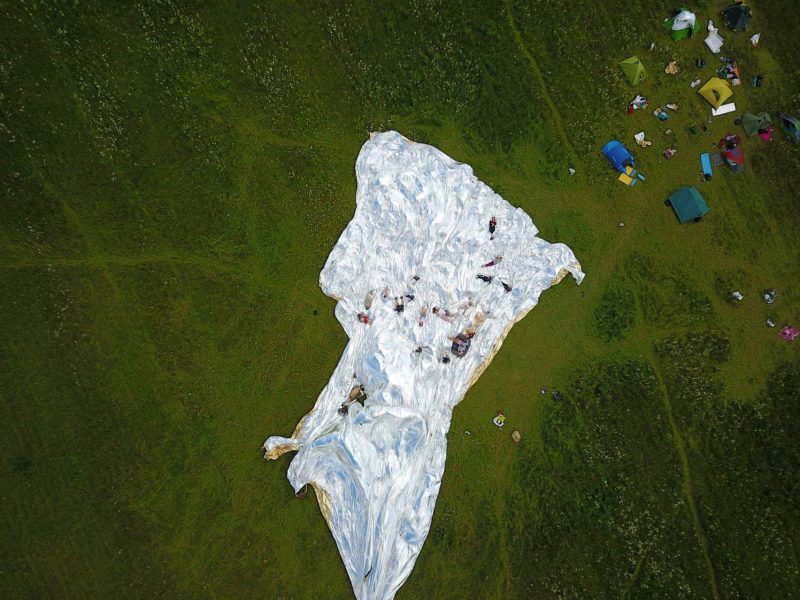
His proposal involves joining together a string of NASA’s space sheets, which the US space agency created in 1964 from a reflective material that provides insulation.

Measuring 2.1 from 1.6 meters, they are intended to be used to warm people up in emergency situations and now are generally awarded to runners following races.

Shtanuk plans to utilize reinforced tape to make a huge square version that spans 100 meters each side. It would be permitted to billow in the end, casting a shadow over a sizable section of the desert so visitors could rest in the shade. Alternatively, it might be placed onto the sand and also used as a seating area.

“The Blanket will constantly be changing its shape from the ability of wind, taking different surreal kinds — waves, mountains or any giant sculptures that are amazing,” said the announcement on the project’s fundraising page.

“During the hot day room under the Blanket will be used as a refreshing and comfy rest place, where anybody can unwind, cool, and have a rest or dancing.”

At night, the artist plans for the installation to take on an entirely different function. He guesses participants dressed in suits featuring electroluminescent cable — also called el-wire, and made by coating aluminum cable a glow-in-the-dark phosphor.
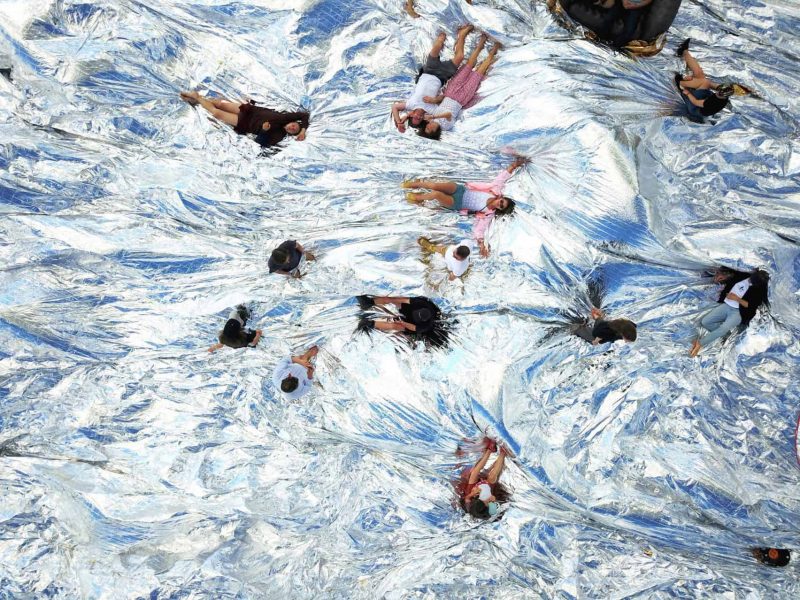
They’d then crawl beneath the blanket,” creating an effect of oceanic bioluminescent plankton or moving waves of equalizer.”

Funds for the project will go towards materials, renting a room to assemble the piece, hauling it from Russia to Burning Man, as well as equipment rental.

So far, a total of $720 was increased by 28 backers.

Burning Man attracts 70,000 visitors annually, and its community is responsible for building a range of elaborate structures around the temporary settlement called Black Rock City.
H/T dezeen

The post A Russian Artist Proposes Massive NASA Space Blanket Installation for Burning Man Festival appeared first on FREEYORK.

Thursday, August 2, 2018

An Artistic Duo Suspends ‘Digital Pixels’ in Ancient Greek Ruins

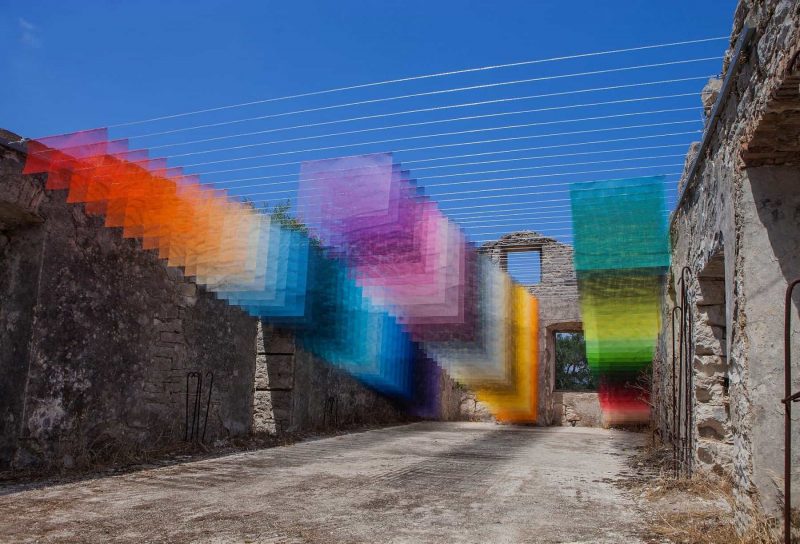
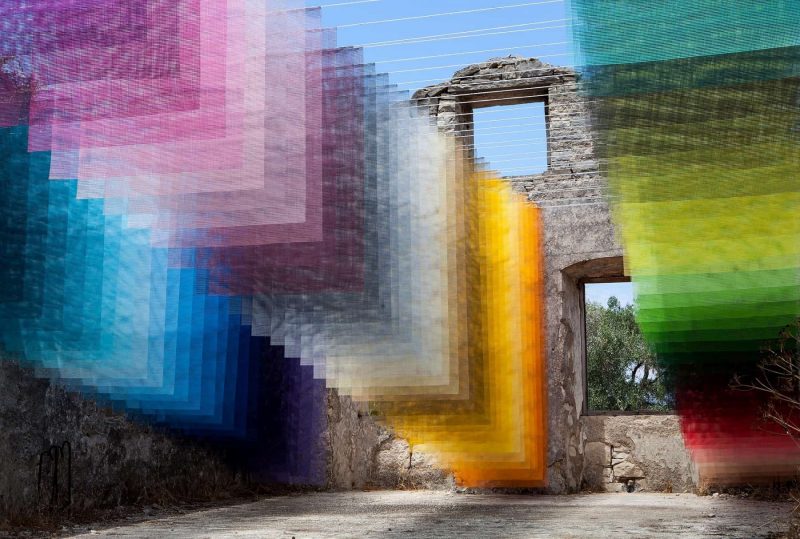
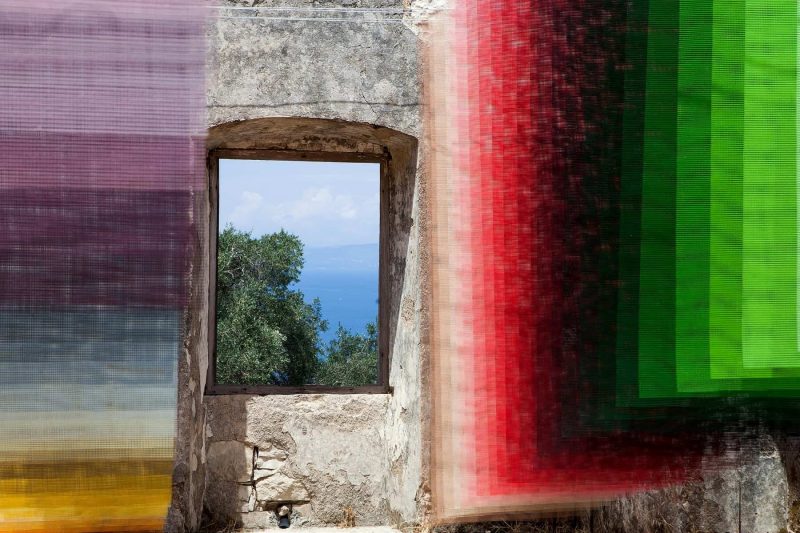
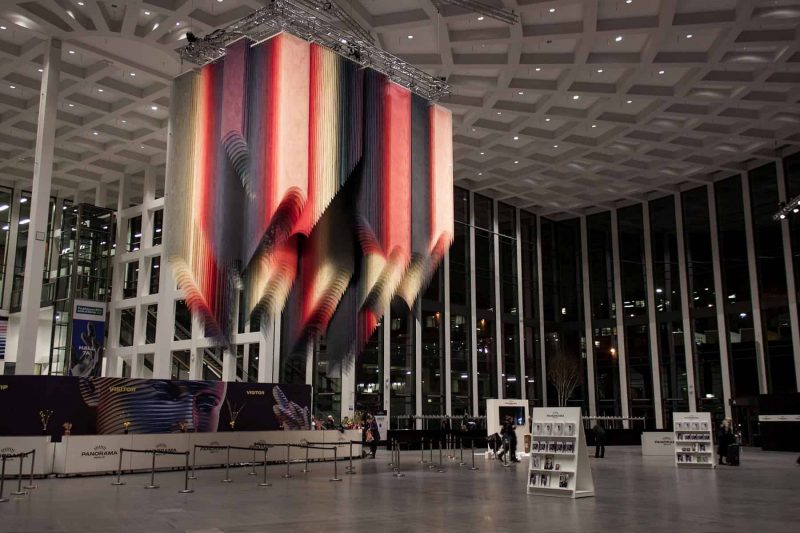
Hanover and Berlin-based artists Thomas Granseuer and Tomislav Topic called Quintessenz, create site-specific installation art made from a mix of substances. For their most recent endeavor, the duo changed a derelict stone construction on the Greek island of Paxos within their Paxos Contemporary Art Project. The 400-year-old ruin was filled with layers of colorful spray-painted fabric, creating an abstract spectrum of rainbow hues.

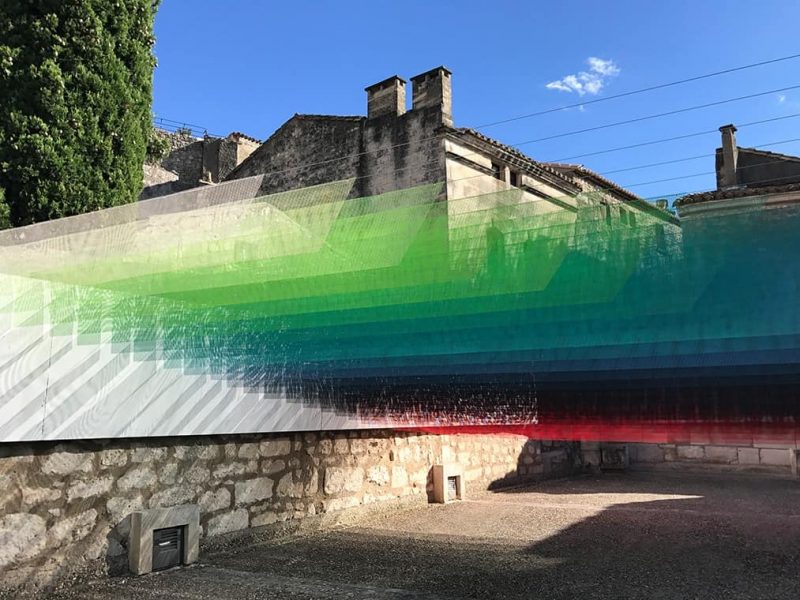
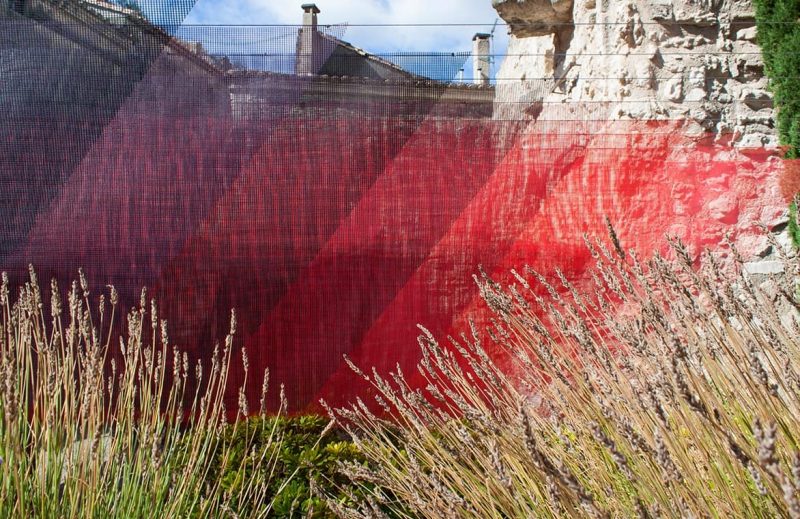
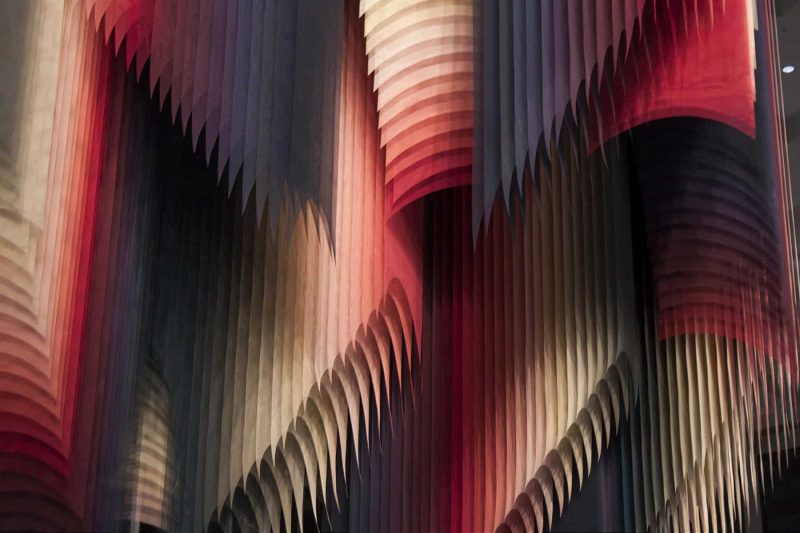
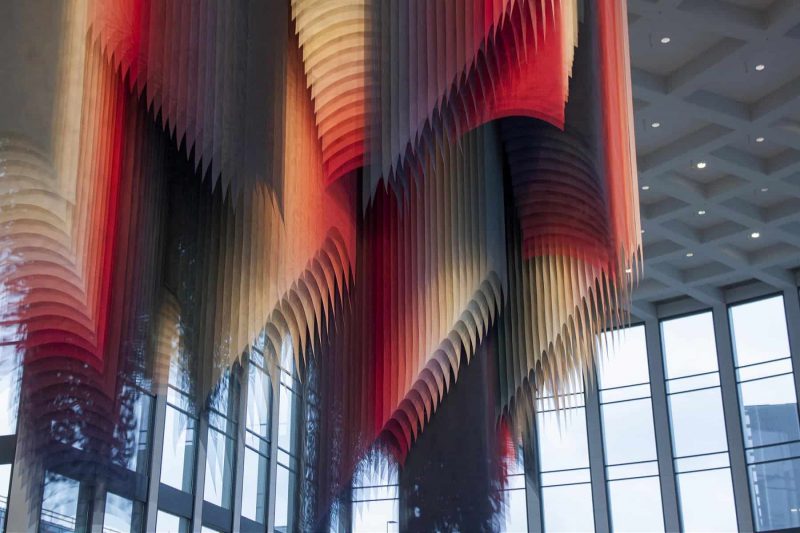
This latest piece references some of Quintessenz’s previous works, such as the Paradis Perdus (2017) installation in Les Baux-de-Provence, France, in addition to Flickering Lights (2018), made for Panorama Fashion Week in Berlin. For each installation, the creative duo cut bits of this colored, mesh-like cloth into geometric shapes and suspended them into grids and rows. When seen collectively, the fabric appears to blur and merge into soft gradients that seem like digital pixels, contrasted against the older, grey stone buildings. The floating fabric changes based on the viewer’s motion and the location’s natural components, challenging the viewer’s perception of the distance.

Although Quintessenz’s installations look incredible when caught on camera, the duo’s unique functions are always best viewed in person. The artists explain,”We expect that the visitors will leave their mobile phone cameras in their pockets for a moment and simply enjoy the light and the translation of the wind in the material.”

You can see the Paxos Contemporary Art Project before September 9, 2018, and watch more of Quintessenz’s installments on their website and Instagram.


The post An Artistic Duo Suspends ‘Digital Pixels’ in Ancient Greek Ruins appeared first on FREEYORK.

Monday, July 23, 2018

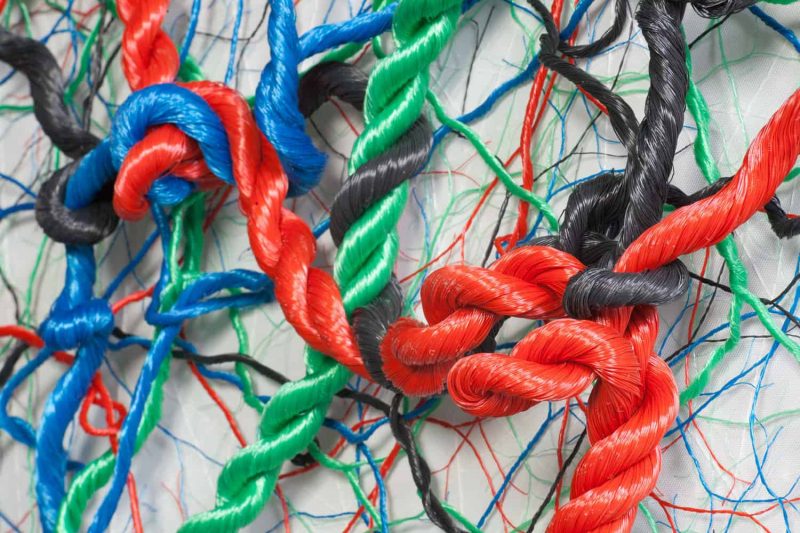
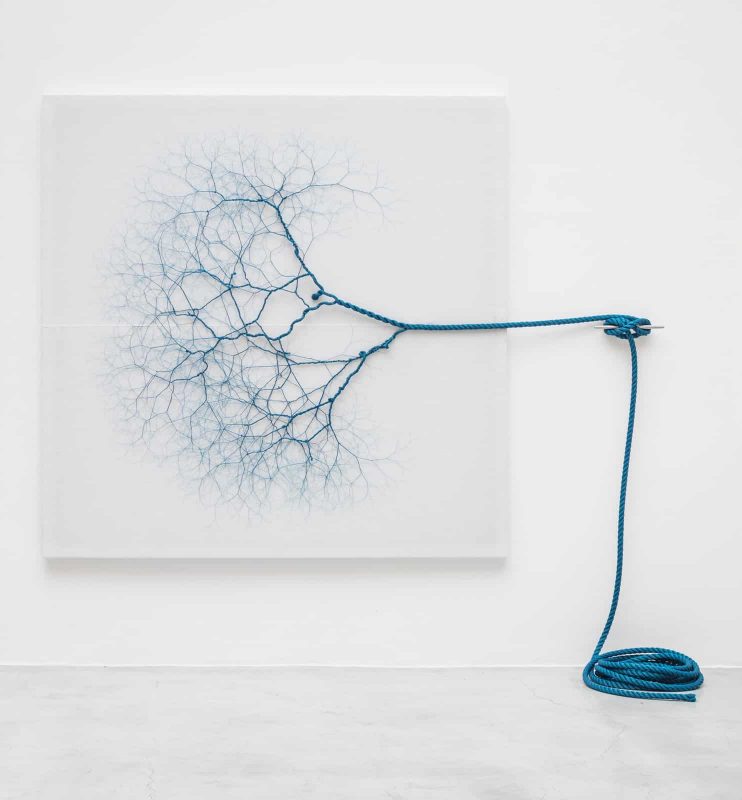
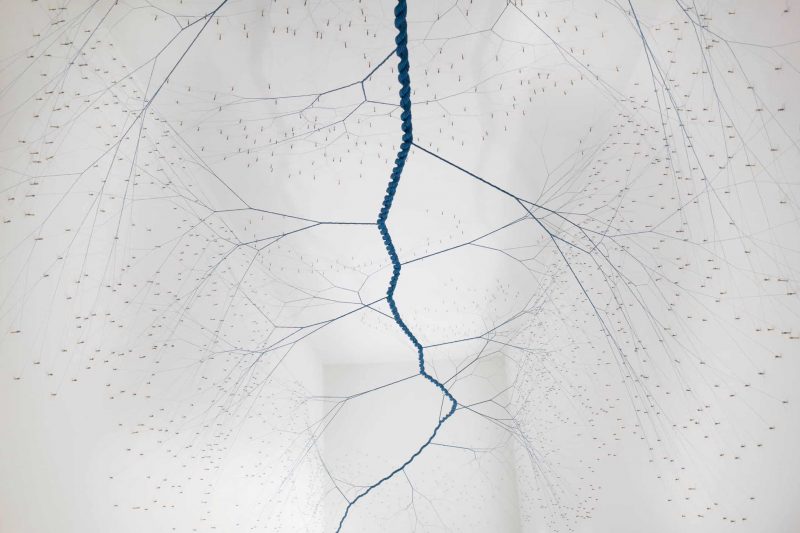
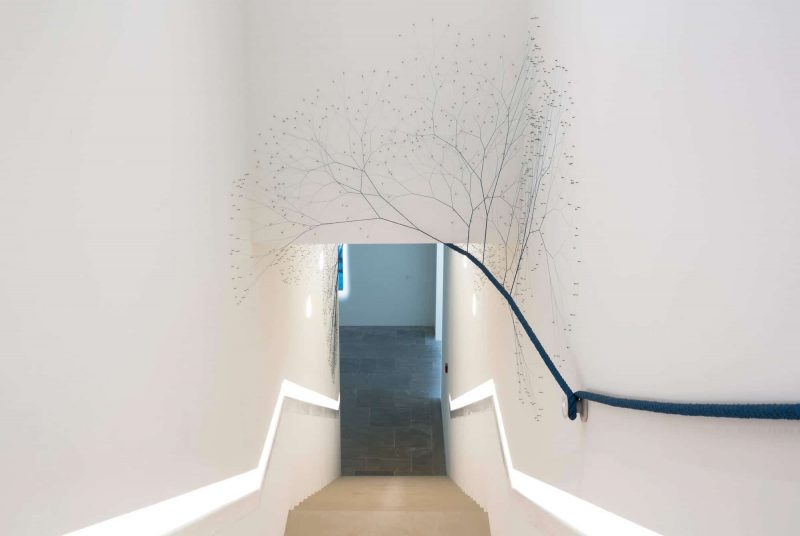
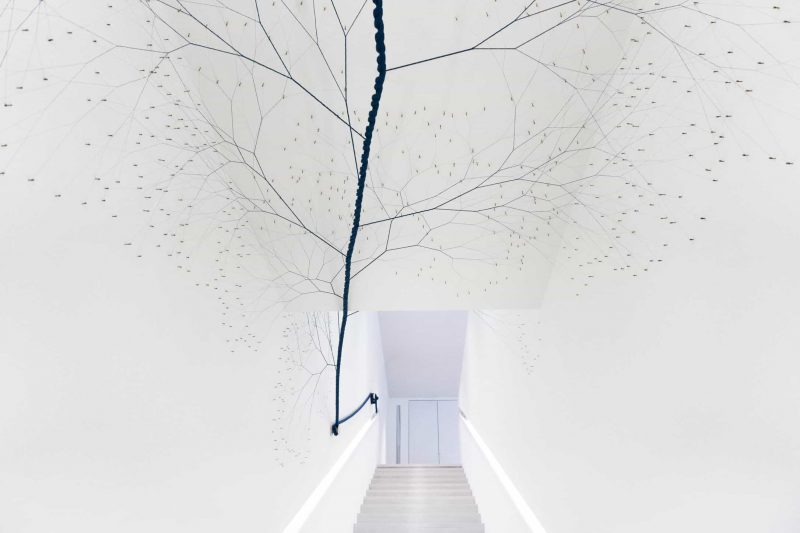
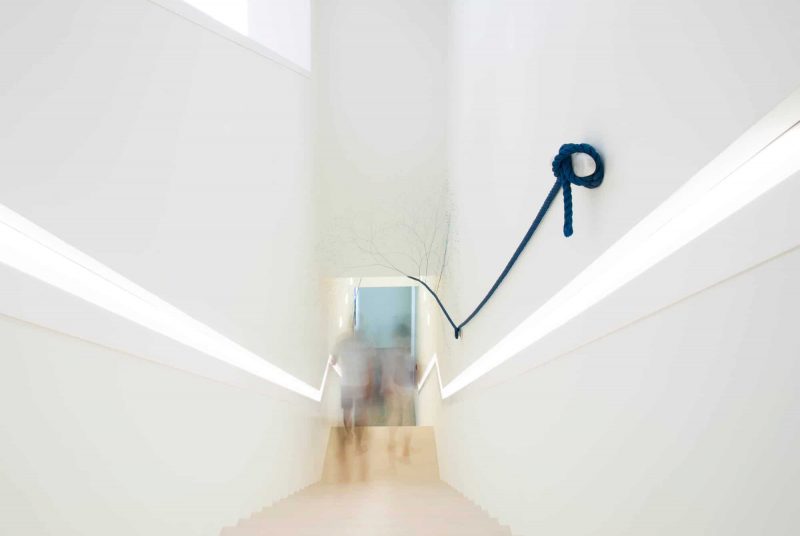
Complex Networks of Intertwined Rope by Janaina Mello Landini

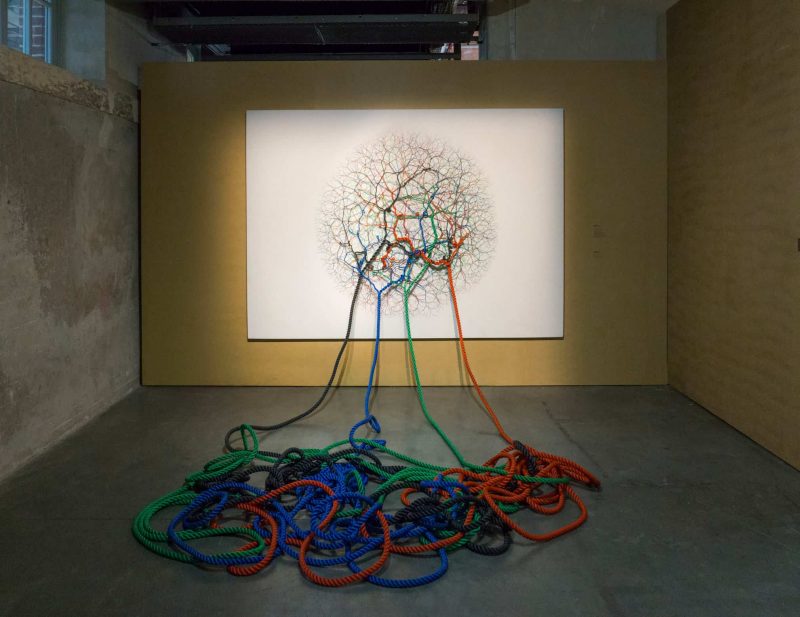
Using lengths of colored nylon rope, installation artist Janaina Mello Landini creates complex systems of intertwining threads. The unwound rope finishes tangle and reach into a giant game of Twister, resulting in sculptural installations which bring to mind the natural patterns found in neural networks, blood vessels, and tree roots. One recent piece, Ciclotrama 50, is a permanent installation at Foundation Carmignac, a French island museum that opened this spring. You can explore more of Landini’s portfolio on her website and Instagram.

H/T thisiscolossal

The post Complex Networks of Intertwined Rope by Janaina Mello Landini appeared first on FREEYORK.

Wednesday, July 18, 2018

A Brazilian Artist Installed a Giant Sculpture in Zurich’s Central Station

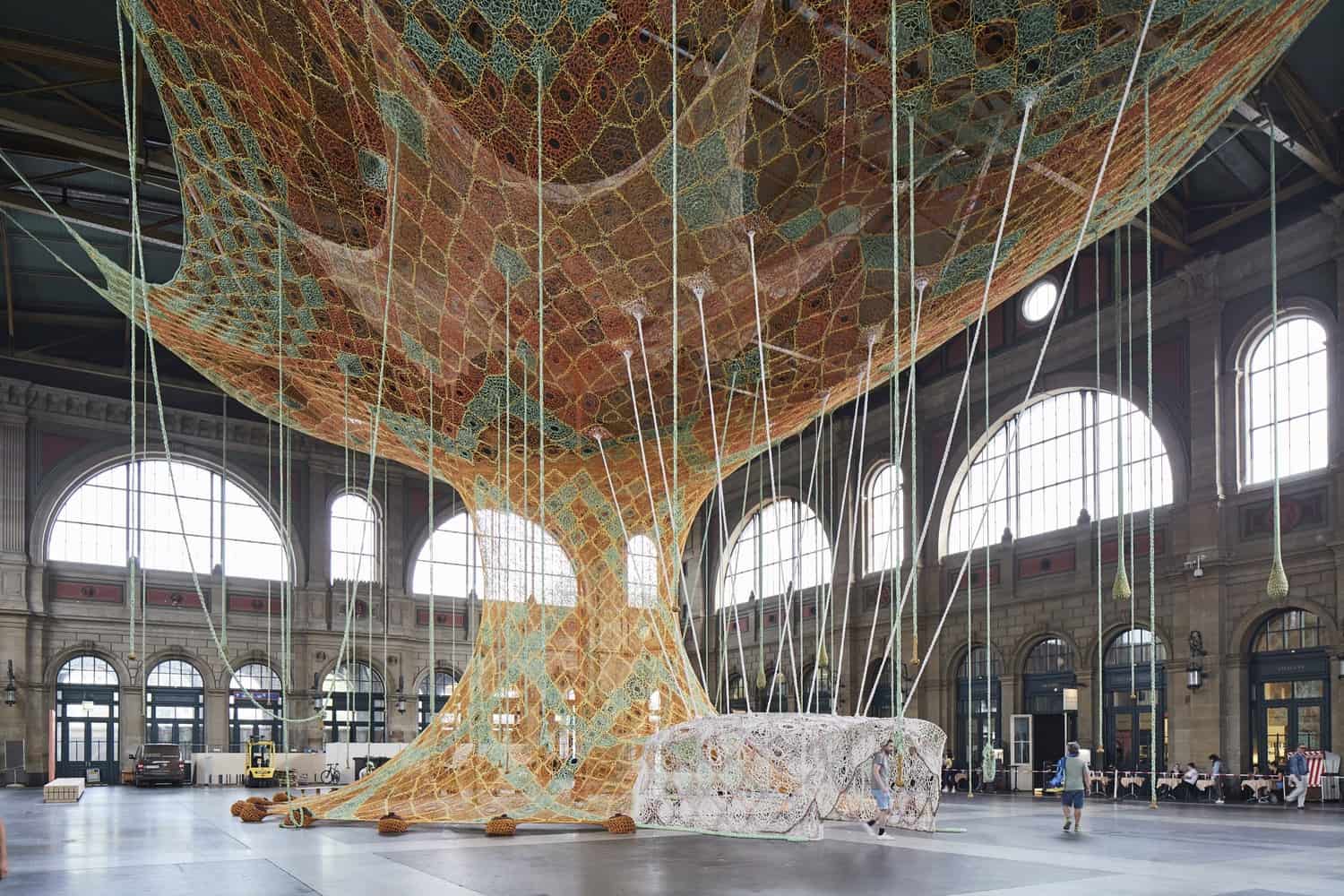
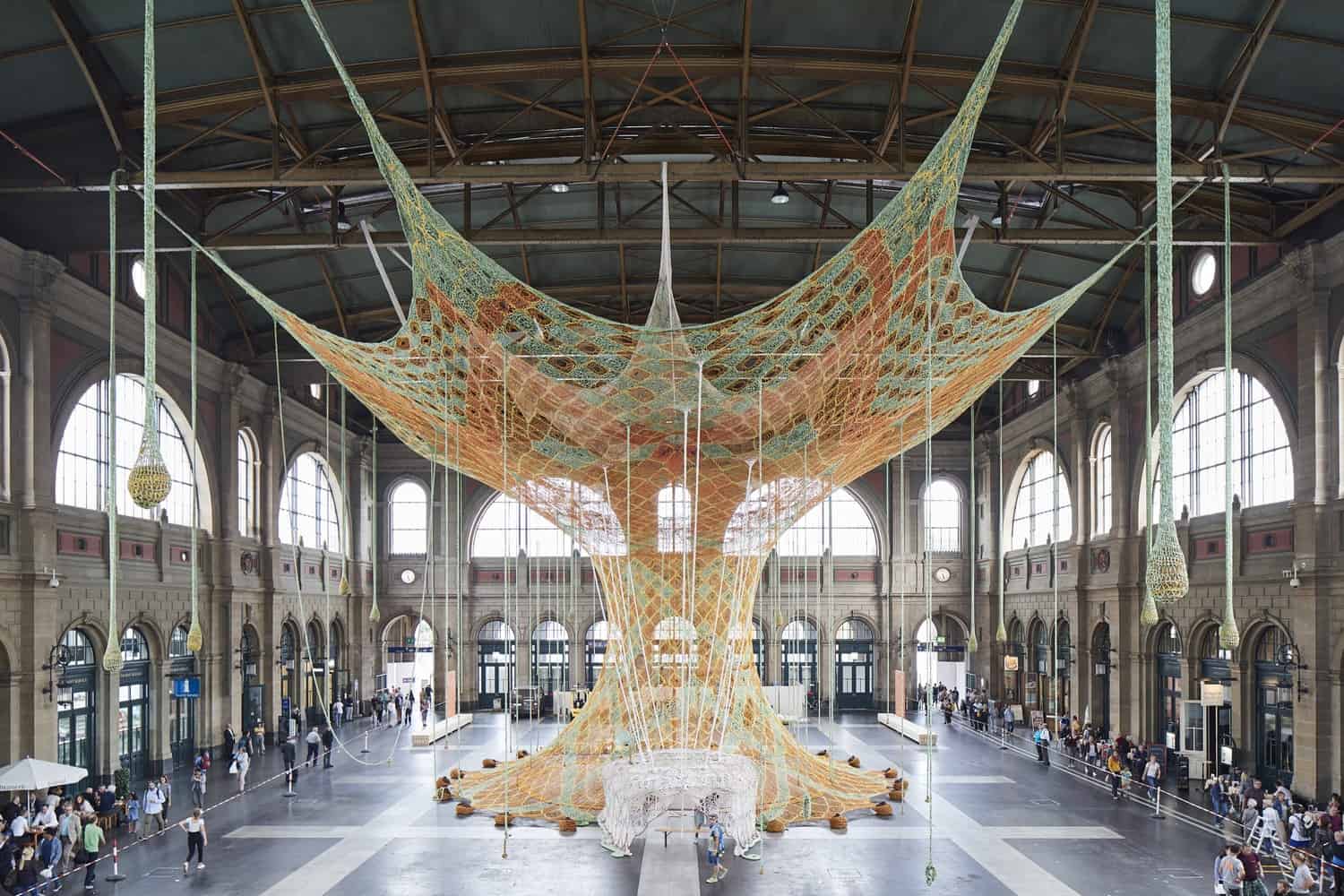
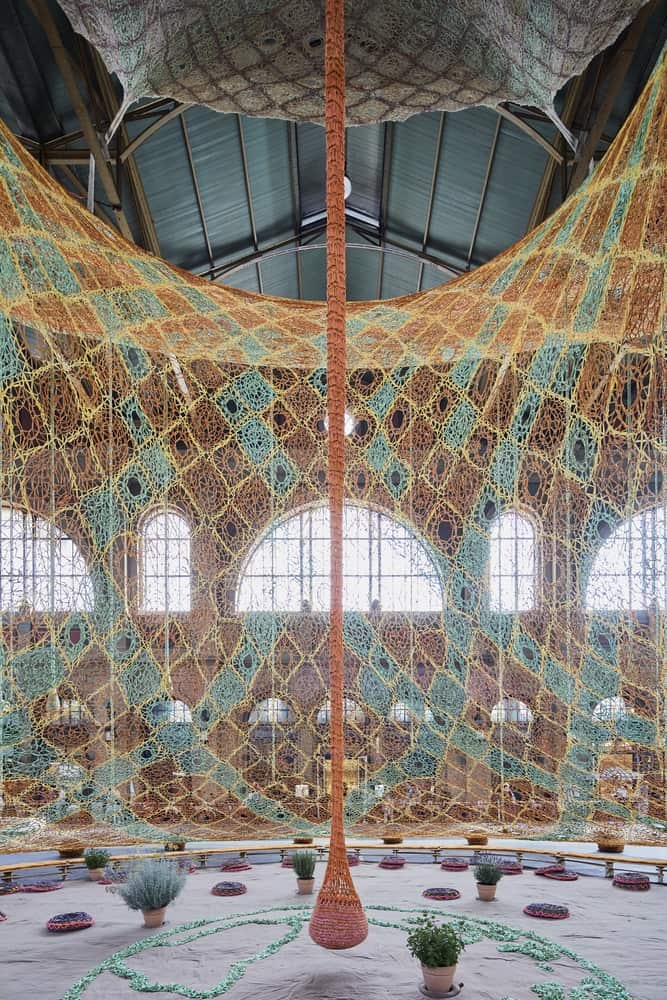
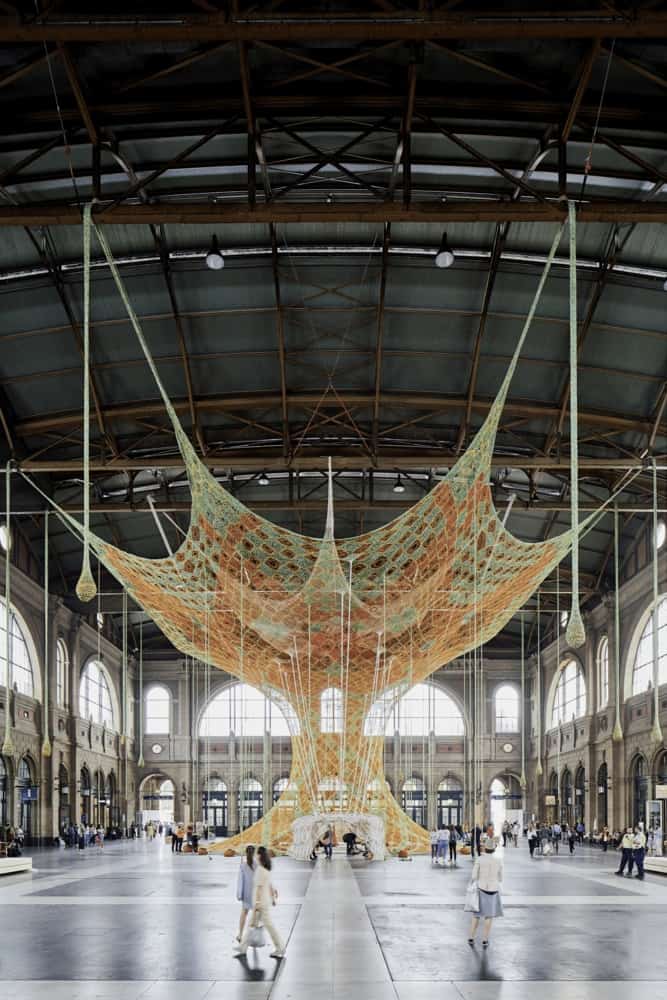
Brazilian contemporary artist Ernesto Neto recently realized a vibrant sculpture made of hand-knotted cotton strips in the atrium of Zurich‘s Central Station. Titled Gaia Mother Tree, the installation looks like a giant tree and extends out of the channel’s roof to its floor.
Exhibited by the Fondation Beyeler, Neto‘s sculpture is an immersive work of art, a space that one can enter and walk around or remain and meditate. A series of activities for adults and kids, including musical concerts, workshops and arguments, is scheduled to happen under the net of cotton.

Sam Keller, director of the Foundation Beyeler, estimates that almost a half-million visitors will pass through the channel and, consequentially, the sculpture. This would make Gaia Mother Tree the most seen work of art in the history of Switzerland.

Ernesto Neto is one of the most internationally recognized Brazilian artists, and his works, among other matters, issues related to spirituality, humanism, and ecology. Strongly influenced by the neo-concrete motion of the 1960s, minimalist and conceptual artwork, Neto‘s creation was characterized by his use of techniques and materials not as familiar to artwork – from natural objects to knowledge and craft of native peoples.

To see the video and learn more about Gaia Mother Tree, take a look at the Foundation Beyeler webpage. And look at the photographs taken by visitors using the hashtag #beyelerneto.

H/T World Art Foundations and Artnet.

The post A Brazilian Artist Installed a Giant Sculpture in Zurich’s Central Station appeared first on FREEYORK.