Monday, July 23, 2018

Studio Acrylicize Placed Five Giant Lamp Sculptures on the Streets of Manchester

London-based studio Acrylicize is the design team behind Manchester, England’s newest piece of public art–five giant lamp sculptures situated in Piccadilly Place. Each piece was constructed to honor and represent a specific time in Manchester‘s rich history, as well as celebrate what is to come. Ranging from 11 to 20 feet tall, the structures are based on various lamp styles from five distinct design eras: Art Deco, Art Nouveau, Victorian, mid-century, and modern.

From an enormous Art Deco-style reading lamp to a colossal Anglepoise, each energetic piece provides shelter, seats, light, as well as electric heating in the winter. Some of the large lamp shades feature graphics that illustrate Manchester‘s historical tales. By way of instance, the motifs shown on the Art Deco lamp celebrate Nobel Prize winner Earnest Rutherford, whose research at Manchester University contributed to the dividing of the first atom in 1932.

The Art Nouveau lamp pays homage to Manchester‘s famous Chetham’s Library, while the 1950s-style lamp provides a nod the city’s pleased”worker bee” heritage with its honeycomb-patterned lattices. Finally, the modern Anglepoise lamp projects a brilliant display of light and color on the surrounding construction partitions, representing the city’s bright and lively future.

The founder of Acrylicize, James Burk, states,”We hope that the lamps will bring individuals together and provide an enduring legacy to the city…Manchester has this wonderful heritage in creation; it has been a true honor to tell the narrative of the city and its people. We expect that locals and visitors alike associate with the job with a sense of belonging and pride.”

H/T mymodernmet

The post Studio Acrylicize Placed Five Giant Lamp Sculptures on the Streets of Manchester appeared first on FREEYORK.

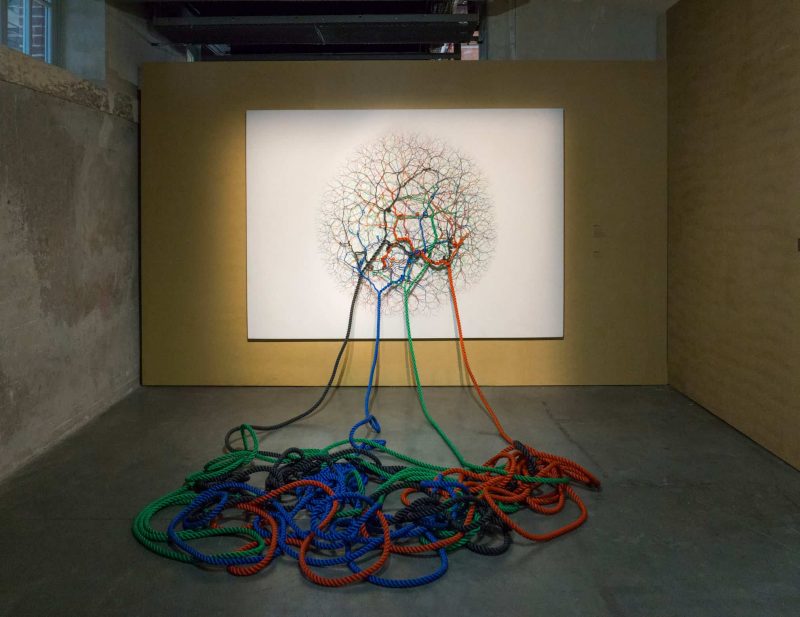
Complex Networks of Intertwined Rope by Janaina Mello Landini

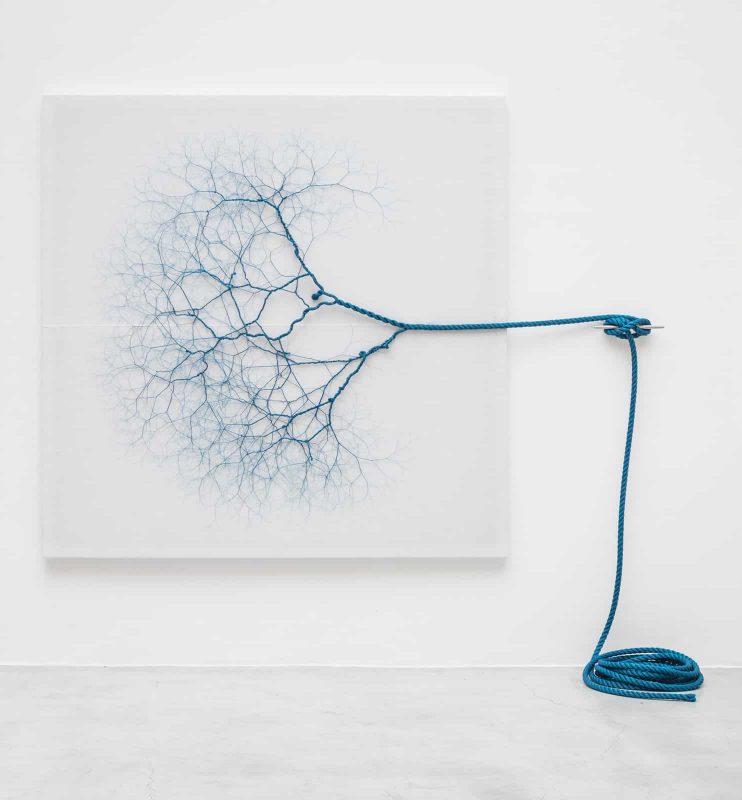
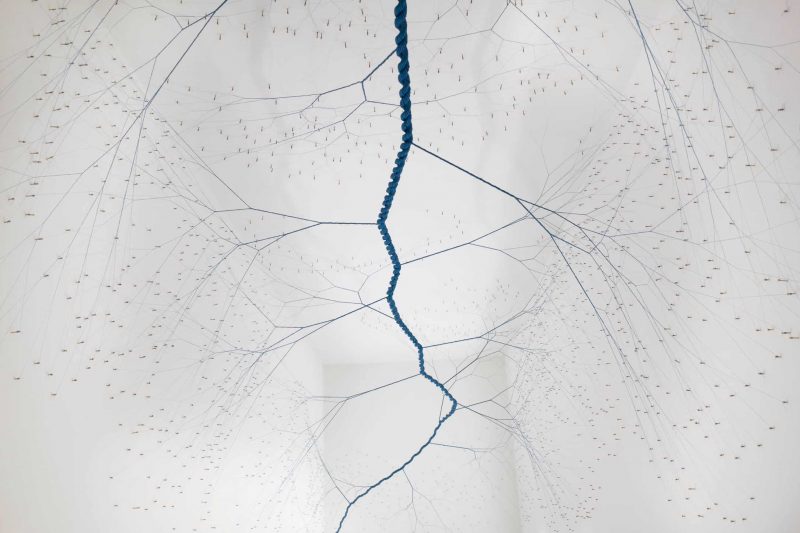
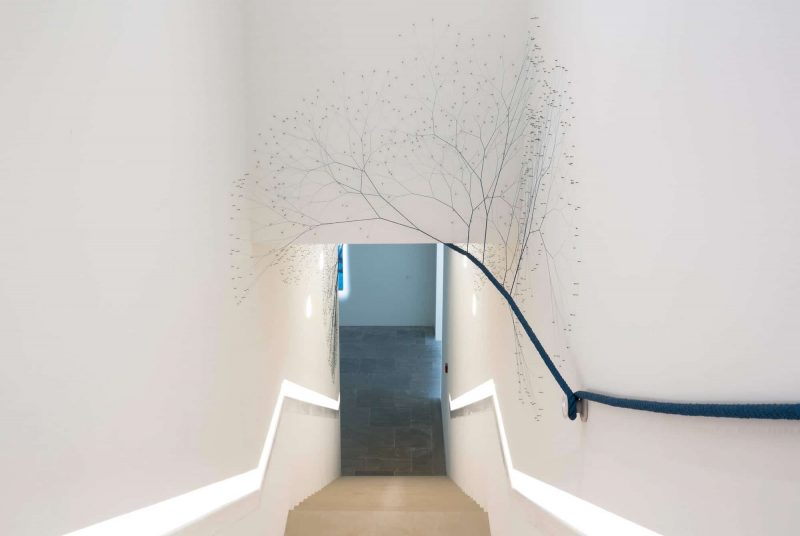
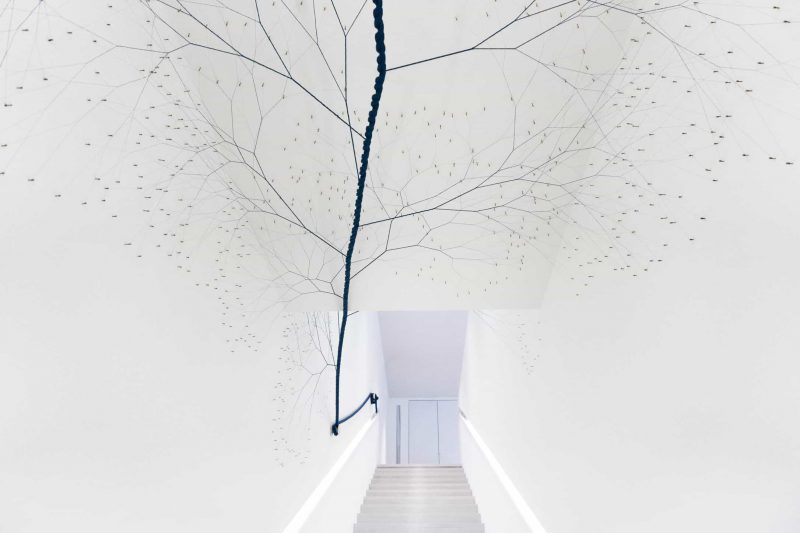
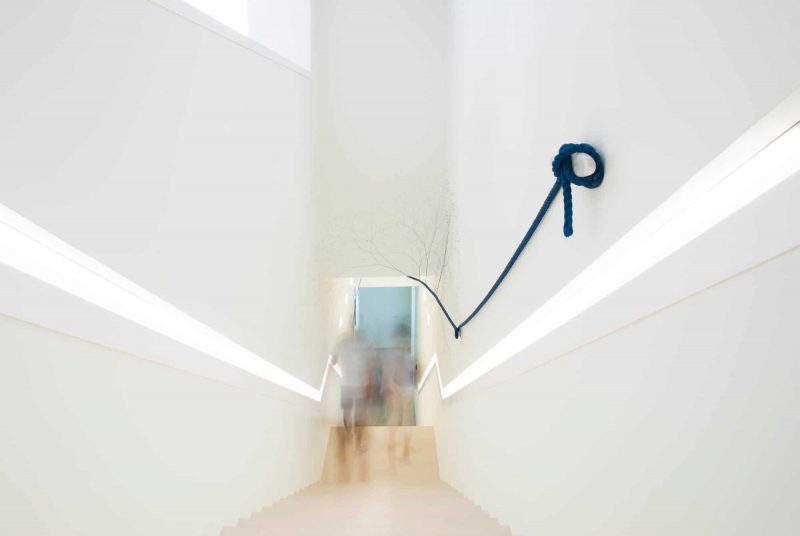
Using lengths of colored nylon rope, installation artist Janaina Mello Landini creates complex systems of intertwining threads. The unwound rope finishes tangle and reach into a giant game of Twister, resulting in sculptural installations which bring to mind the natural patterns found in neural networks, blood vessels, and tree roots. One recent piece, Ciclotrama 50, is a permanent installation at Foundation Carmignac, a French island museum that opened this spring. You can explore more of Landini’s portfolio on her website and Instagram.

H/T thisiscolossal

The post Complex Networks of Intertwined Rope by Janaina Mello Landini appeared first on FREEYORK.
Wednesday, July 18, 2018

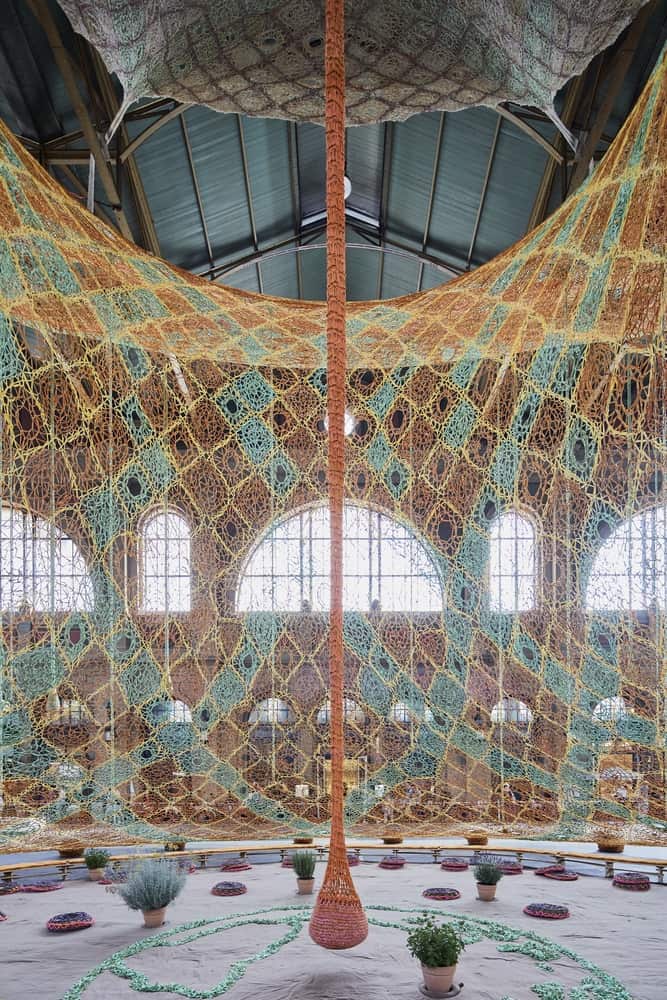
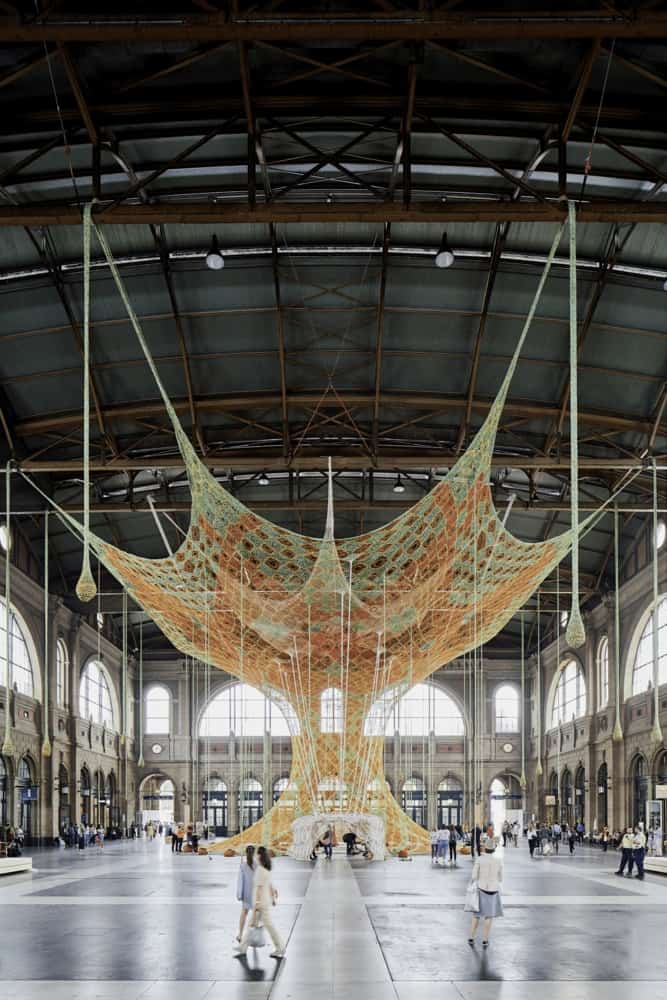
A Brazilian Artist Installed a Giant Sculpture in Zurich’s Central Station

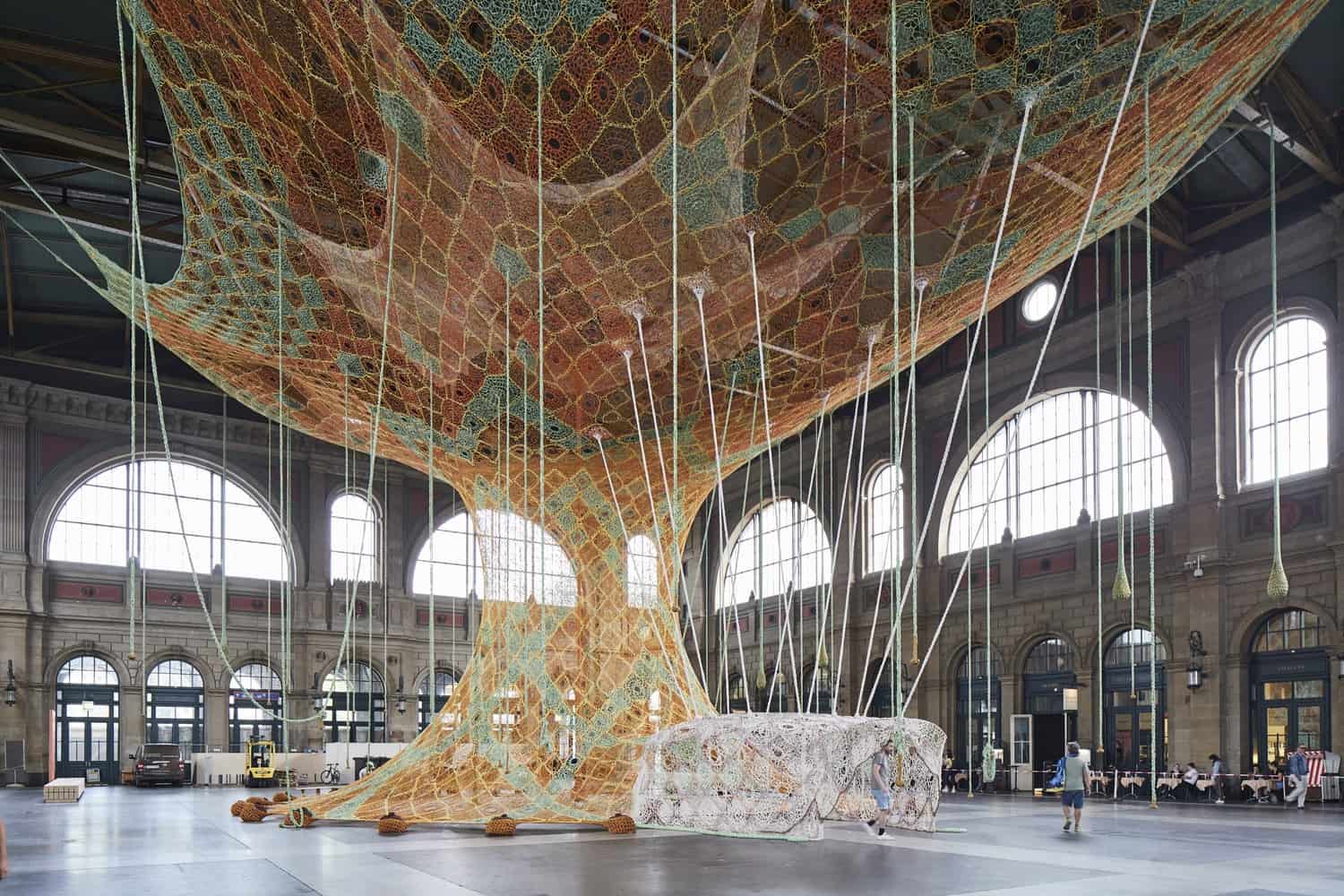
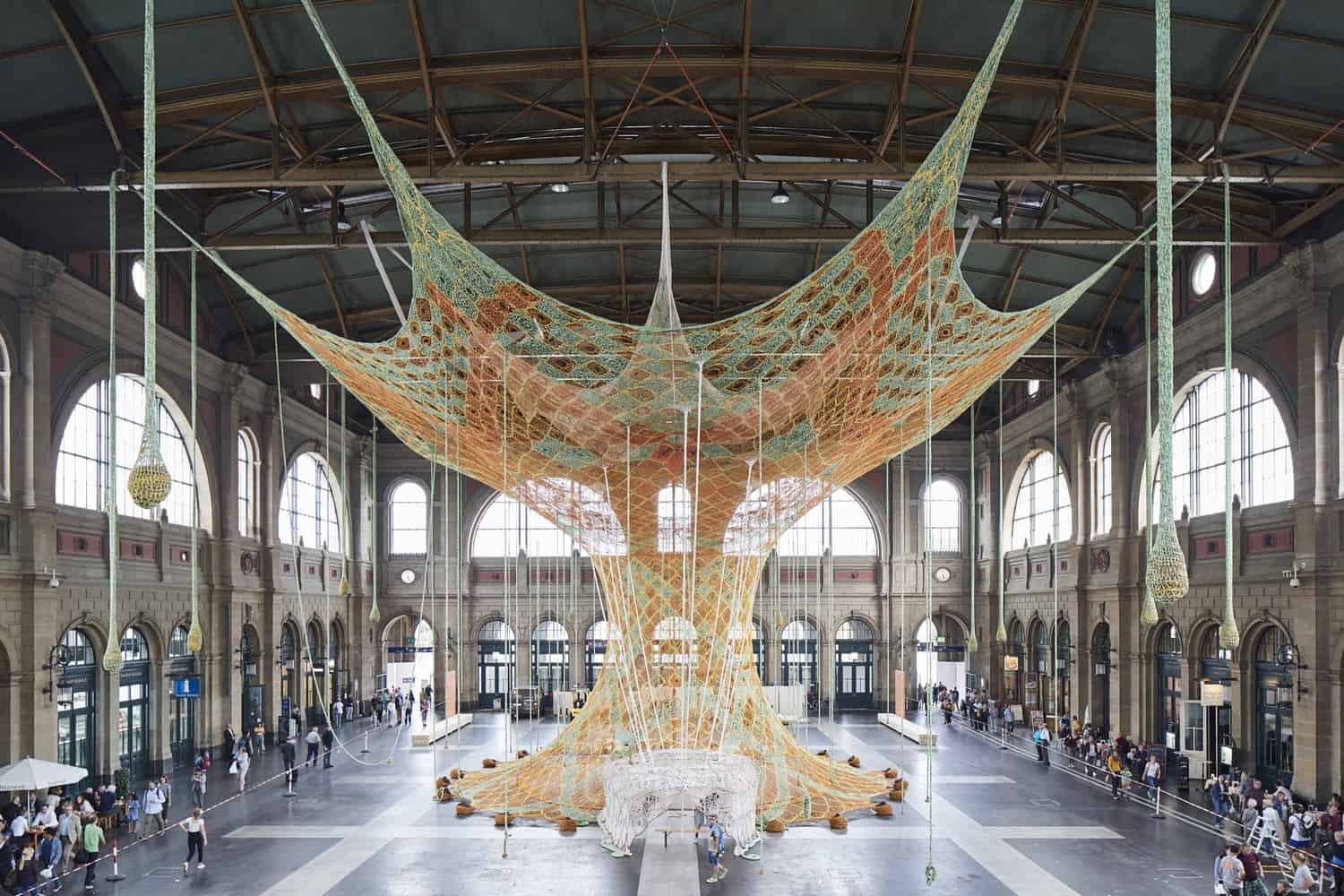
Brazilian contemporary artist Ernesto Neto recently realized a vibrant sculpture made of hand-knotted cotton strips in the atrium of Zurich‘s Central Station. Titled Gaia Mother Tree, the installation looks like a giant tree and extends out of the channel’s roof to its floor.

Exhibited by the Fondation Beyeler, Neto‘s sculpture is an immersive work of art, a space that one can enter and walk around or remain and meditate. A series of activities for adults and kids, including musical concerts, workshops and arguments, is scheduled to happen under the net of cotton.

Sam Keller, director of the Foundation Beyeler, estimates that almost a half-million visitors will pass through the channel and, consequentially, the sculpture. This would make Gaia Mother Tree the most seen work of art in the history of Switzerland.

Ernesto Neto is one of the most internationally recognized Brazilian artists, and his works, among other matters, issues related to spirituality, humanism, and ecology. Strongly influenced by the neo-concrete motion of the 1960s, minimalist and conceptual artwork, Neto‘s creation was characterized by his use of techniques and materials not as familiar to artwork – from natural objects to knowledge and craft of native peoples.

To see the video and learn more about Gaia Mother Tree, take a look at the Foundation Beyeler webpage. And look at the photographs taken by visitors using the hashtag #beyelerneto.

H/T World Art Foundations and Artnet.

The post A Brazilian Artist Installed a Giant Sculpture in Zurich’s Central Station appeared first on FREEYORK.
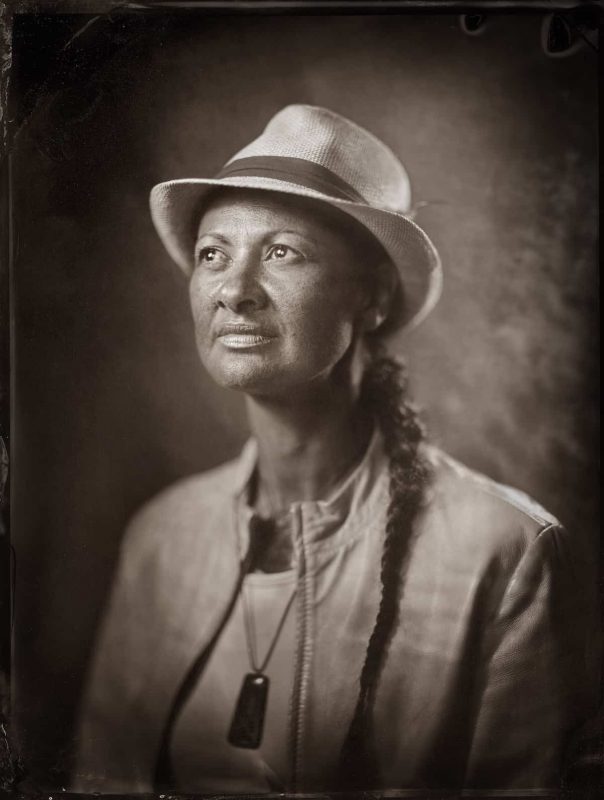
A Photographer Reimagines Māori People Without Traditional Tattoos in Wet Plate Portraits

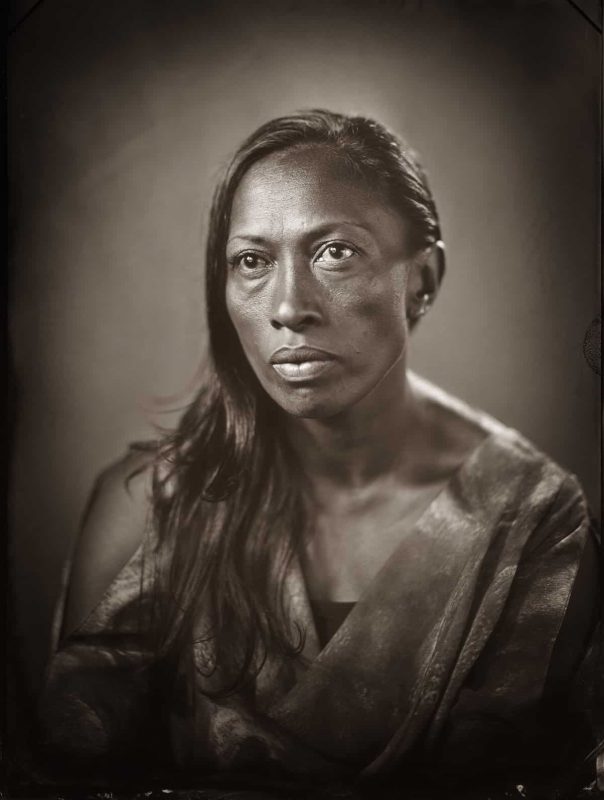
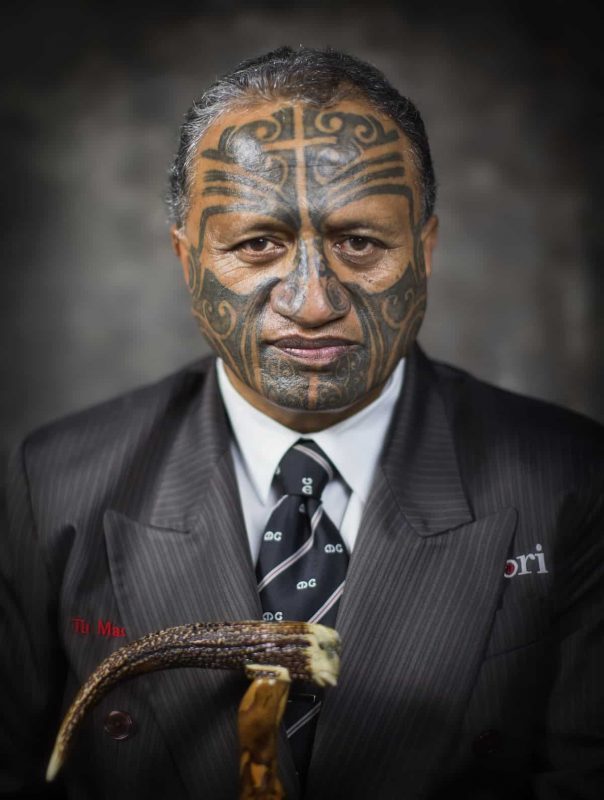
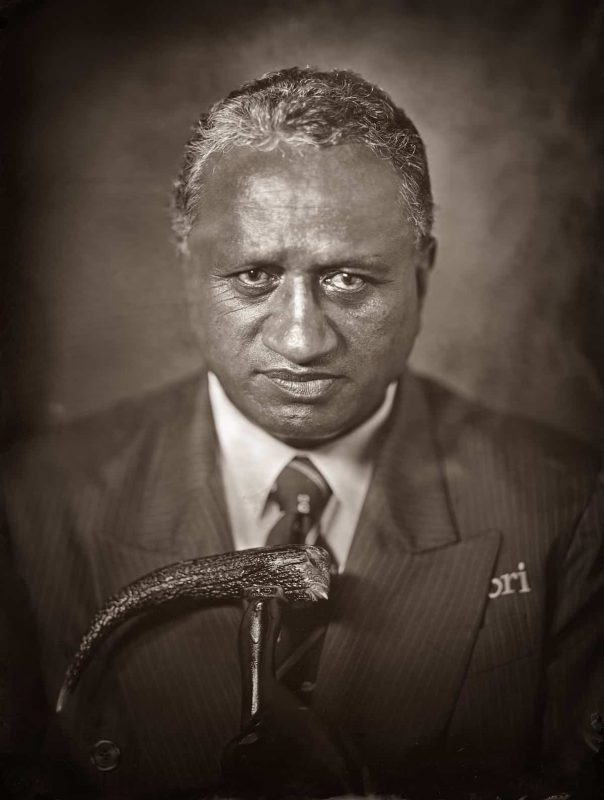
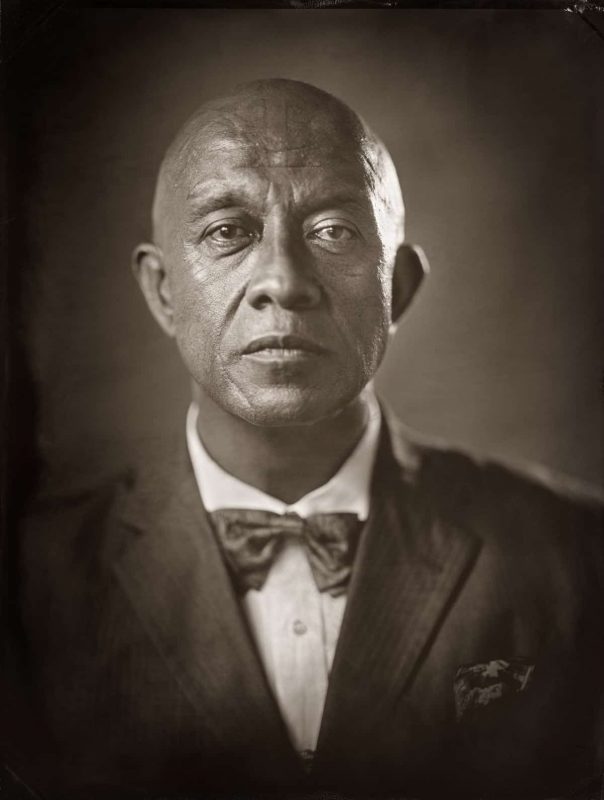
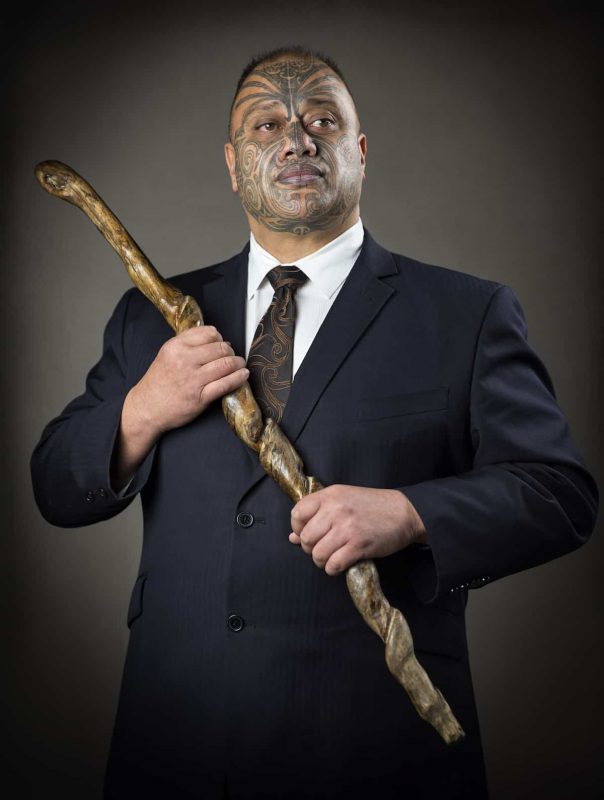
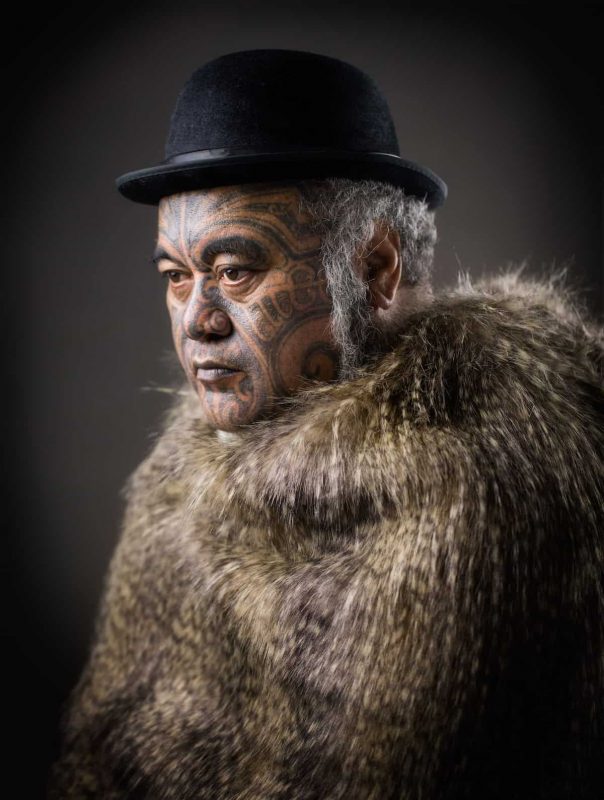
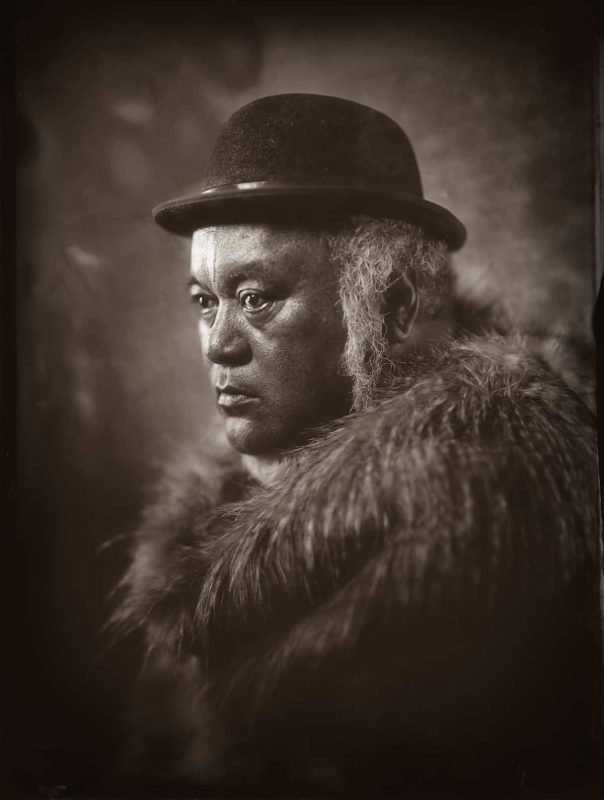
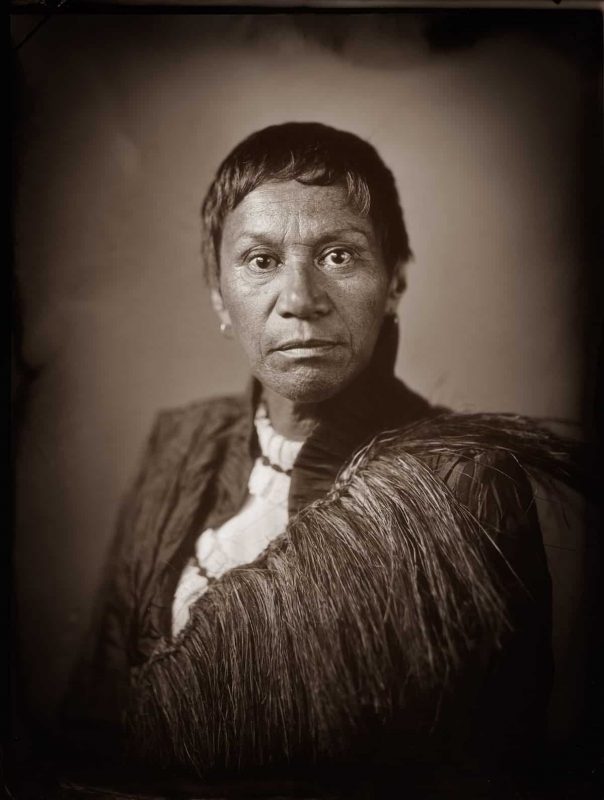
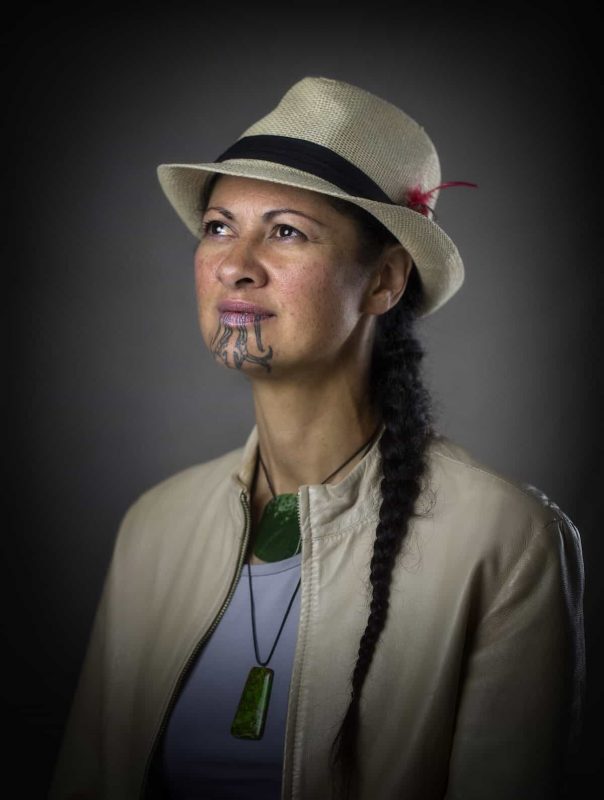
Influenced by wet plate portrait photography of the past, photojournalist Michael Bradley‘s Puaki is an observation of the Māori culture.
Specifically, Bradley investigates tā moko, the permanent markings on the body and face practiced by New Zealand‘s indigenous civilization. Together with his collection of gorgeous portraits, he recalls the near erasure of this significant cultural heritage.

Bradley, who has been practicing wet plate photography because 2013, first stumbled upon the idea for Puaki when considering damp plate pictures in which people’s tattoos often didn’t appear. This is a spark to investigate the background of tā moko and create the long-term job.

“In Māori civilization, it’s thought everyone has a tā moko beneath the skin, just waiting to be disclosed,” writes the Te Kōngahu Museum of Waitangi. “The difficulty is, when photographs of tā moko were originally taken in the 1850s, the antiques hardly showed up at all. The wet-plate exact method used by European settlers functioned to erase this cultural mark –and as the years went by, this proved accurate in real life, also. The ancient art of tā moko was suppressed as Māori were assimilated into the colonial world.”

Tā moko has witnessed a resurgence since the 1990s along with the pride every player takes in their mark is apparent in Bradley’s photographs. By comparing the digital and moist plate photographs, it is clear that tā isn’t only about private expression, but a cultural mark that is worn with dignity.

Puaki that means”to come forth, show itself, start out, emerge, disclose, to give testimony,” is Bradley’s way to plant a seed with the public. He expects they will learn more about tā moko and the way Māori culture forms an integral element of contemporary society. Practically erased from the pages of history, the practice is a demonstration of how cultural customs will continue to flourish in the modern era.

The post A Photographer Reimagines Māori People Without Traditional Tattoos in Wet Plate Portraits appeared first on FREEYORK.

An Artist Creates Insects from Salvaged Objects Found in The American Southwest

Raku Inoue recently looks an elongated road trip to several destinations in the American Southwest. During his journey, he created a scorpion-shaped arrangement out of seeds, sticks, along with a pepper discovered at Antelope Canyon in Arizona, and used a fallen cactus segment near Horseshoe Bend as the abdomen in a prickly tarantula. Other creations created with discovered natural elements throughout Inoue’s trip including a turtle bug, red ant, and centipede.

Lately, Inoue created a monochrome stag beetle and Monarch butterfly to get a short film in cooperation with CBC Arts. The artist has also started to dig into three-dimensional versions of his found flora creations, building armatures to get a gorilla, water buffalo, and tiger. More foraged creations are on his Instagram.

H/T thisiscolossal

The post An Artist Creates Insects from Salvaged Objects Found in The American Southwest appeared first on FREEYORK.