Showing posts with label Egypt. Show all posts

Wednesday, January 30, 2019

An Artistic Duo Restored 7 Famous Historical Buildings to Their Ancient Glory in GIFs

Countries such as Greece, Italy, Egypt, and Mexico are famous for some of the most interesting historical monuments on the planet. Sadly, not all of them have managed to survive the cruel wheel of time, and after so many centuries that the only thing left to remind us of them are their destroys. But have you ever tried to envision how those architectural wonders, like Parthenon in Athens, Mexico‘s Pyramid of the Sun, or Italy‘s Temple of Jupiter, looked in all their glory?

Expedia’s NeoMan job, created in collaboration with Maja Wrońska and Przemek Sobiecki from”This Is Render,” gives us a unique chance to travel back in time and research the original structures until they were ruined by centuries of organic decay. This creative team examined seven famous historical buildings in 3D animations, bringing us back hundreds of years, gradually showing how they had been built up to the magnificent structures that they were. Scroll down to observe that stunning historical engineering functions on your own.

The Parthenon (Greece)
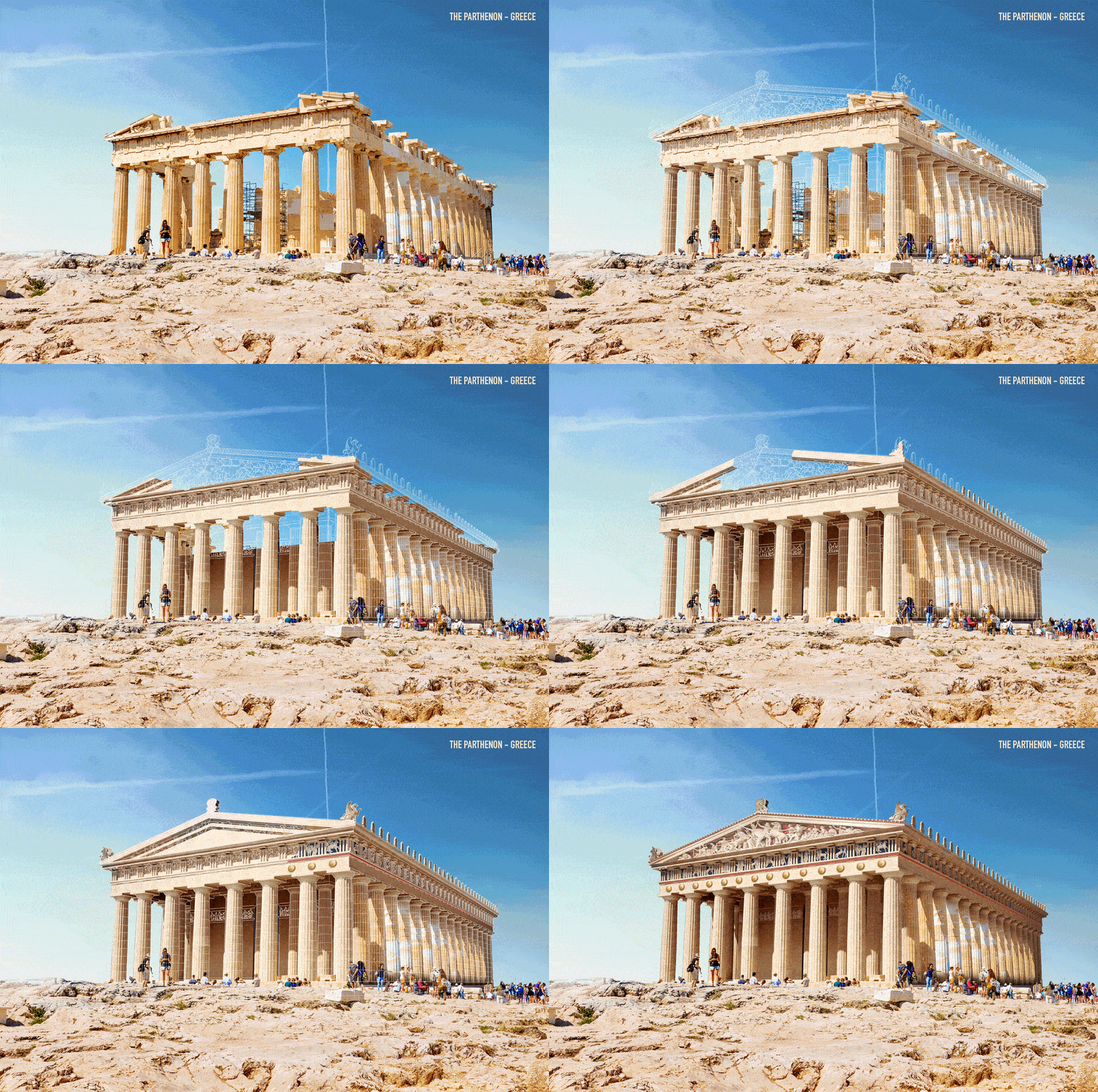
“Back in early times, this temple commissioned a monumental golden statue of Athena, the Greek goddess of knowledge, war, and craft. Sitting atop the mountain in the Acropolis, an ancient citadel in Athens, the Parthenon cuts an imposing silhouette. In 1687 it was seriously damaged in the Great Turkish War; however a lot of this sturdy Doric architecture withheld the burst, and a good chunk of it is still intact to this day. Nowadays it is a tourist destination bringing millions of visitors a year. This is, fully restored to its original glory. Athena herself would be pleased.”

Nohoch Mul Pyramid (Cobá) (Mexico)
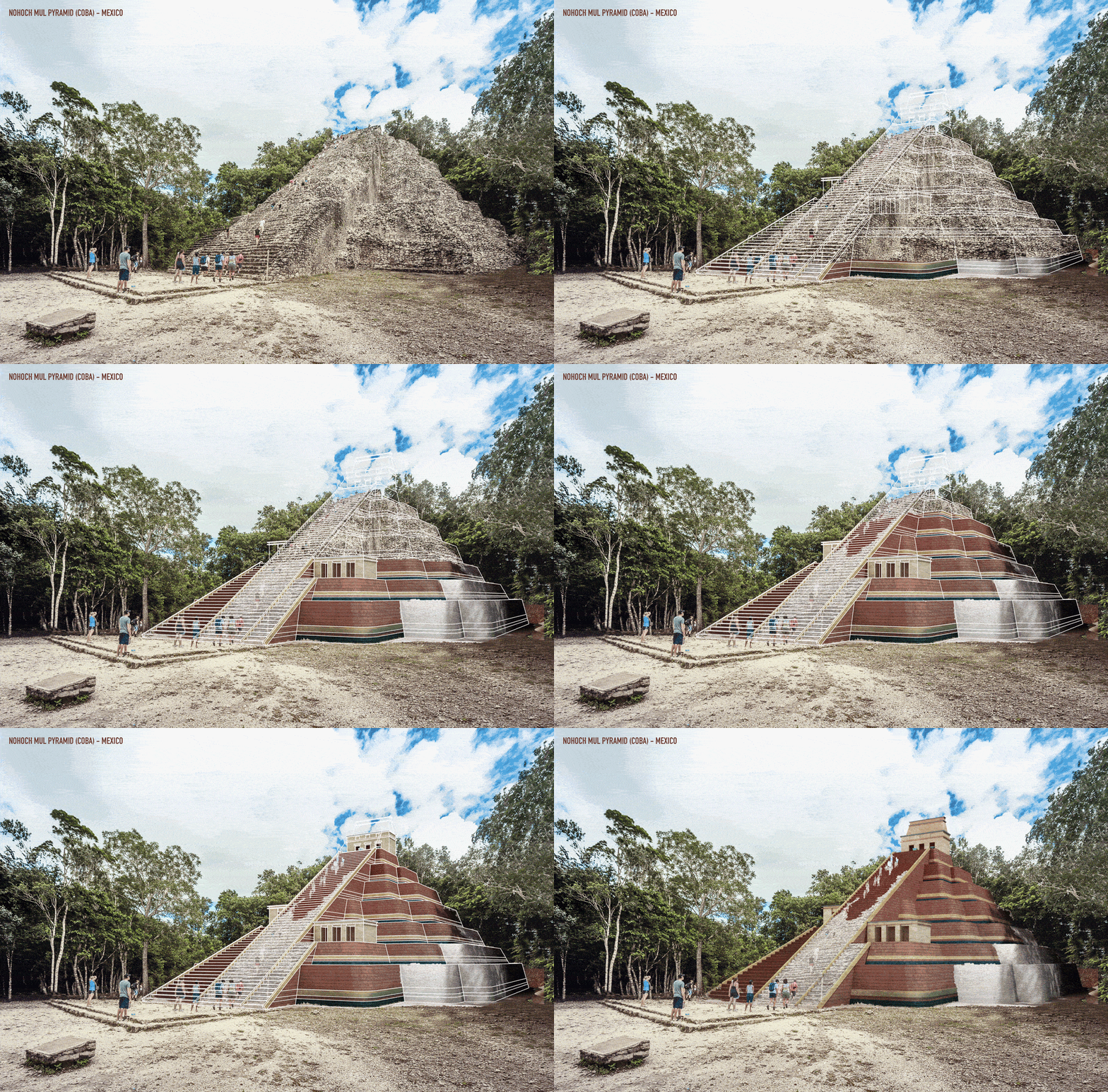
“Cobá is a Mayan remain in the Mexican state of Quintana Roo. The place is thought to have been first settled between 100 BC and 100 AD and left around 1550, upon the coming of the Spanish conquistadors. At 137 ft tall, Nohoch Mul is the tallest Mayan pyramid on the Yucatan Peninsula and the second highest Mayan pyramid in the world. It had been discovered in the 1800s, but the archaeological site was not opened to the public until 1973, since the thick jungle which surrounded it made it challenging to find. It’s off the hidden path, but today you can get there by public transportation or car.”

Area Sacra di Largo Argentina (Italy)
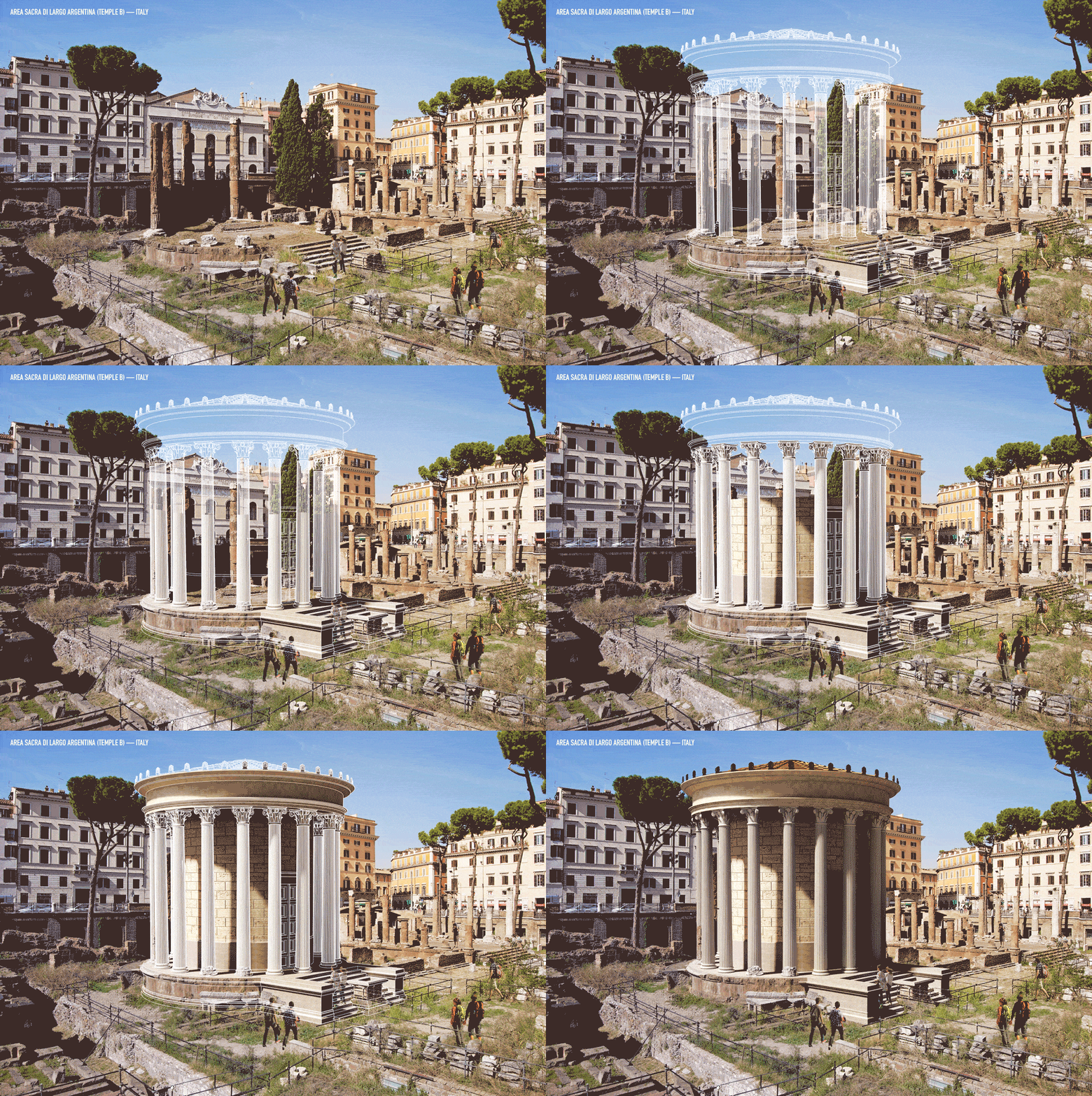
“This square in Rome homes not one, but four Roman temple ruins. It had been discovered during construction work from the 1920s. Temple B has become the most recent of the four temples, and six of its columns, the original steps and the alta are still intact. Visitors to the area will not just find a fascinating archaeological website, but also countless cats living among the ruins. Volunteers feed, clean and look after the cats and people are urged to say hello or even adopt them. Here’s what the temple would have looked like, minus the cats.”

The Pyramid of the Sun (Mexico)
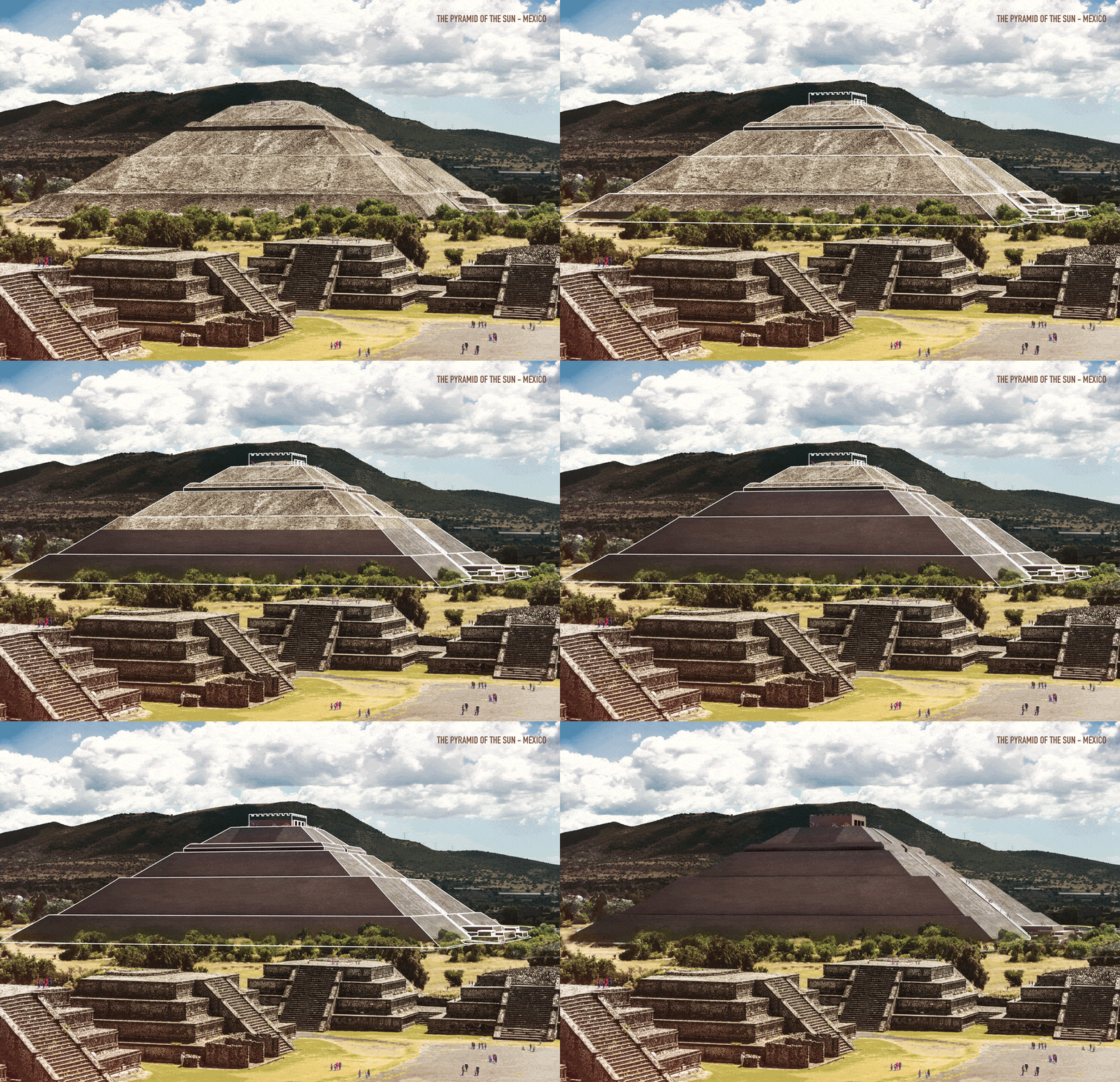
“Teotihuacán was among the earliest urban facilities in central Mexico and is presently one of the essential archeology sites in Mexico. It had been constructed between the 1st and 7th centuries CE, but we understand very little about people who built it. They constructed the first complex cities in the region and then mysteriously vanished. The Pyramid of the Sun is the greatest building in Teotihuacan and one of the earliest pyramids in central Mexico. It’s also among the largest, and as you can see from that reconstruction, it was a spectacular mountain of a structure.”

Temple of Jupiter (Italy)
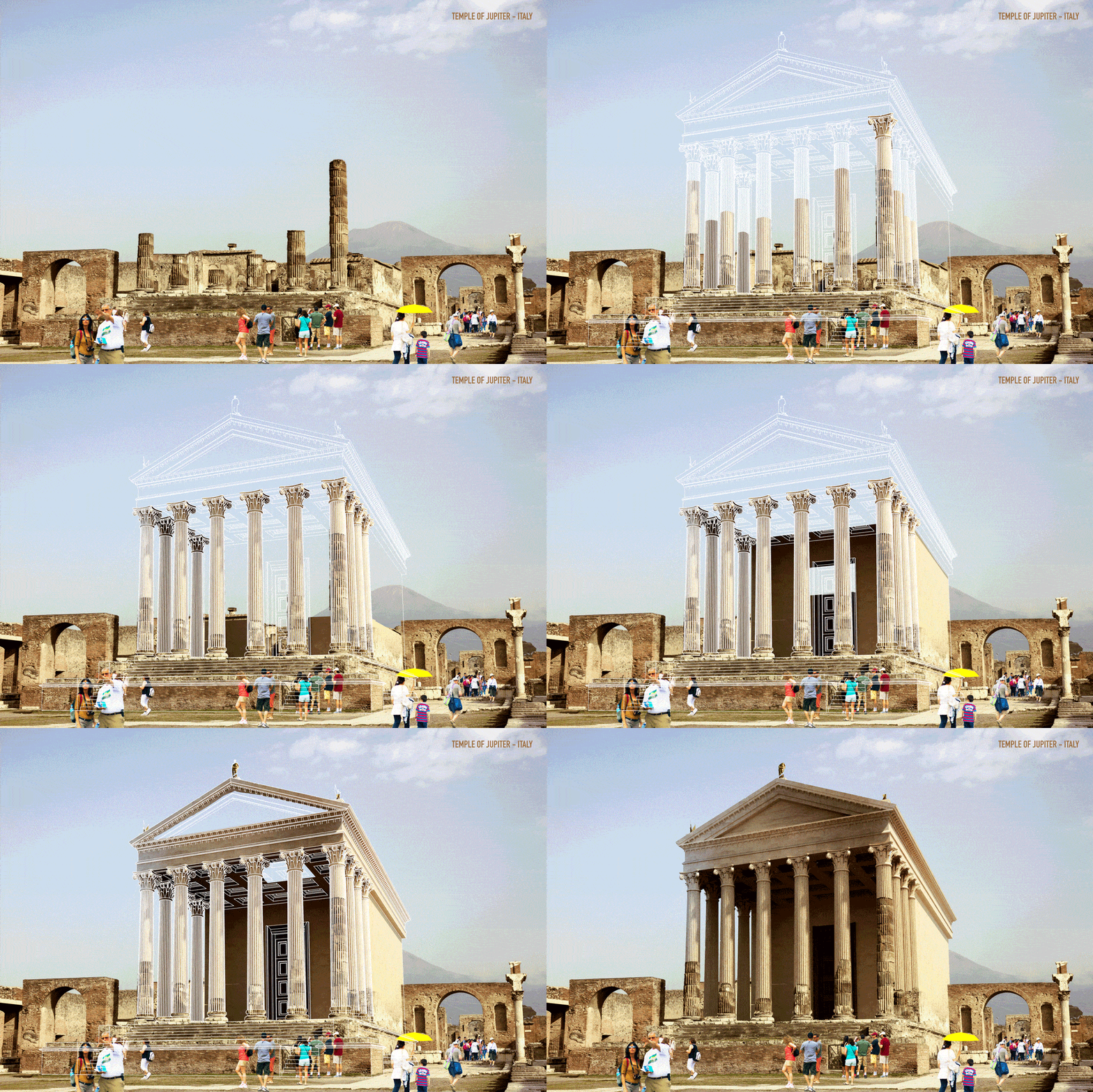
“Built-in commitment to Jupiter, the god of the sky and thunder, this temple has been the primary center of religious life in the ancient town of Pompeii, a tiny Roman city around the Bay of Naples. It stood imperative in the Forum, with Mount Vesuvius towering ominously supporting it. The volcano exploded in August of 79 AD, tragically erasing Pompeii from the surface of the planet. The place was discovered in the 16th century, and lots of years of excavation have given the millions of annual visitors an interesting insight into the everyday life of the 1st-century Roman city.”

Luxor Temple (Egypt)
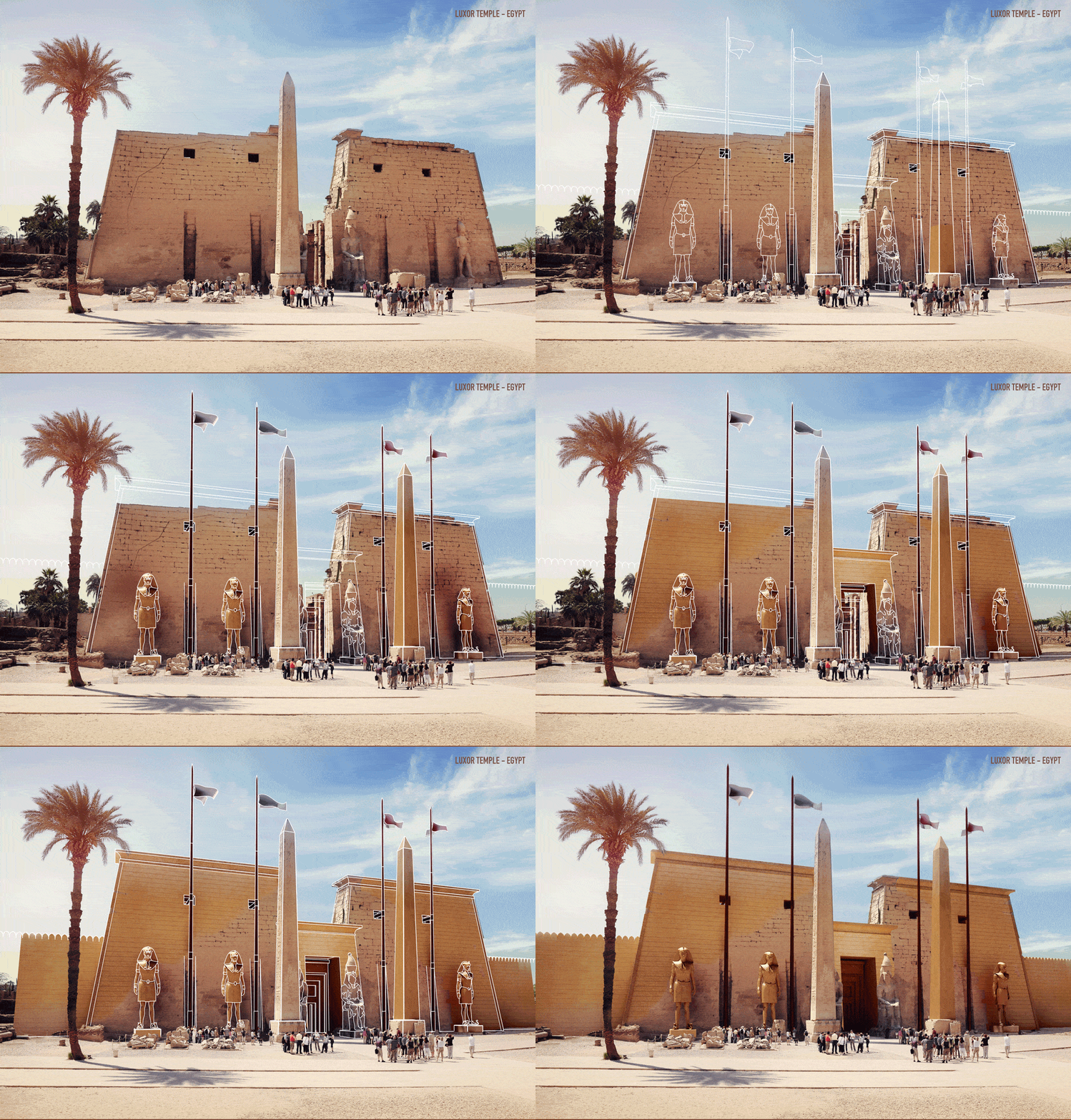
“Since its beginning, Luxor Temple, which takes its title from the Arabic word, al-Uksur (“fortification”), was a sacred site. Commissioned from Amenhotep III at 1380 BC, the temple has been renovated by Rameses II about a hundred decades later to incorporate a great pylon gateway and an open courtyard. It was joined to the neighboring Karnak Temple with an avenue of sphinxes, who guarded the temple gates. With huge obelisks and architraves, Luxor Temple represents a few of ancient Egypt‘s most monumental stone architecture. It is a testimony to the country’s history and a must-see on any Egyptian holiday.”

Milecastle 39 (part of Hadrian’s Wall) (England)
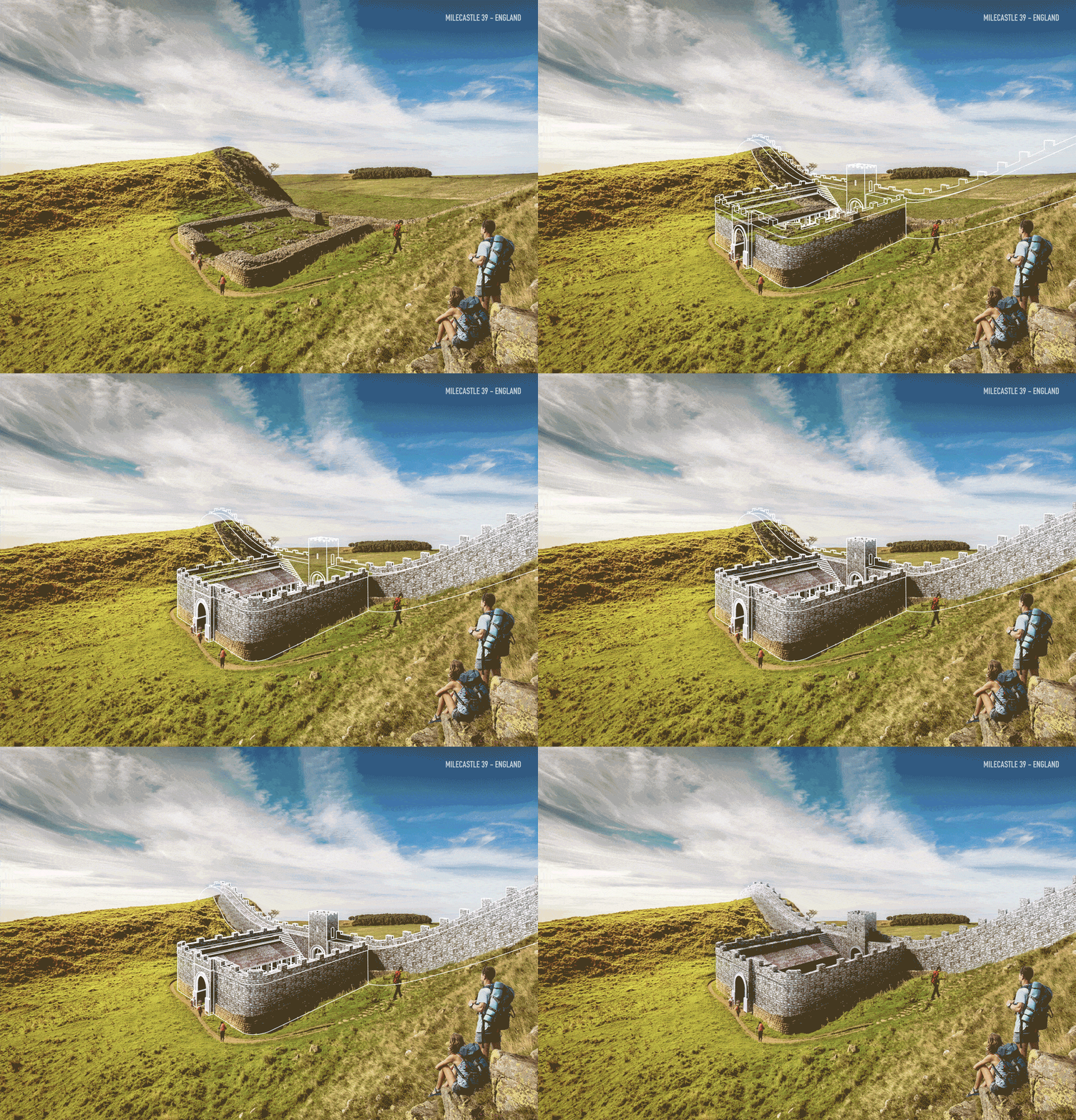
“Stretching 73 miles around some of the most exciting countrysides in England, Hadrian’s Wall dates back to the 1st century AD. Historians still dispute the reasons for the building of the wall. The most common theory is that on getting Roman Emperor in 117 AD, Hadrian had the wall established to make his empire more secure. To improve security, forts called mile castles were put along the wall at intervals of roughly one Roman mile.”

The post An Artistic Duo Restored 7 Famous Historical Buildings to Their Ancient Glory in GIFs appeared first on FREEYORK.

Thursday, October 11, 2018

Near or Far – Beat the Crowds When Traveling

Here we go again, another list of travel photography tips. There are tens of thousands of articles out there on the internet and you can go numb reading tips about knowing your camera, bringing a travel tripod, or other common sense tips that really don’t help.

I have photographed the Taj Mahal, the Great Wall of China, Half Dome at Yosemite, Machu Picchu, Hagia Sophia, and even the Pyramids of Egypt and more. As I look back on all these experiences and think of what I wished I had known before I had gone, it’s really no different than doing photography in your own backyard.

If there is a specific location that you want to photography, what are the fundamentals that you need to focus on? How much equipment will you need or be able to carry? What will the crowds be like? What kind of light is available? Is there a certain time of day tat is best for photography? All of these considerations apply to any location you want to shoot, no matter how near or far.

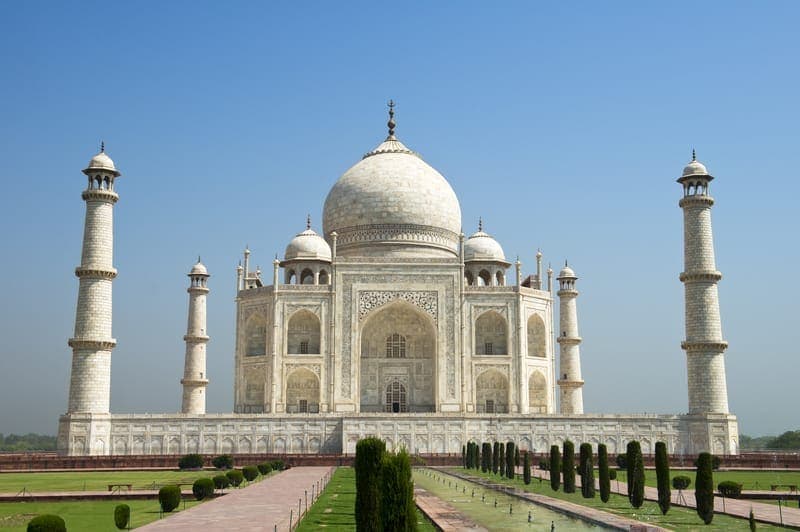
So let’s talk about photographing the Taj Mahal in India. For most people, visiting such exotic locations is a once-in-a-lifetime opportunity. You will be there for perhaps half a day, maybe a full day. Many times when I travel I am on a budget and on a tour. That means you arrive when the bus gets there and you’re done when it’s time for the bus to move on. Therefore, time, itself, is a huge limitation for your photography.

For the tour I was on, the hotel was located near the Taj Mahal so I did some homework and learned that the Taj Mahal opens at sunrise. I used the internet to determine what time the sun rose on the day I was there, and then I de arrangements to go to the Taj on my own without our group. I was among the first ones in line and was able to enjoy photographing the site before the tour buses arrived later and were able to images without people. I did my photography early in the morning, went back to the hotel, and then went back again with my tour group.

I’m going to bet that’s the same strategy you’re already using when photography various locations where you live. Show up early and beat the crowds!

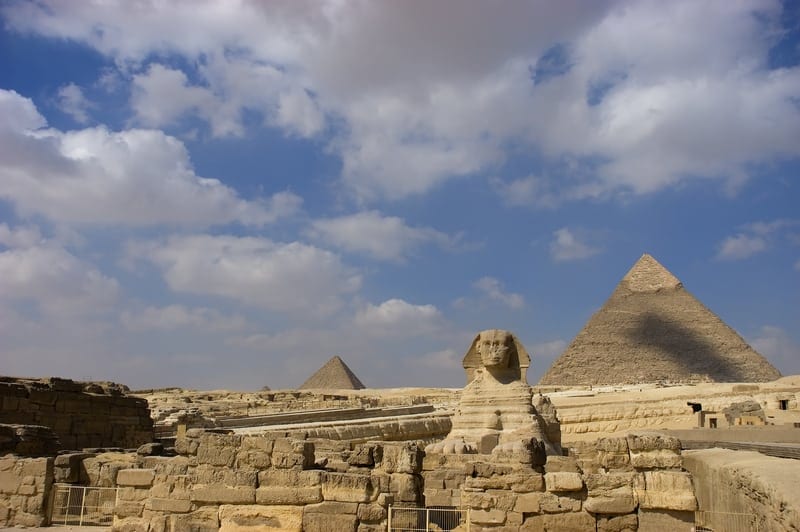
When you’re traveling, things happen that are beyond your control. The day I was at the Great Pyramids of Giza outside of Cairo, the tour worked its way around the complex, going from one location to another. The finale was wrapping up the tour at the Sphinx. There we were, sitting on the bus, listening to the tour guide go on and on and on lecturing us on the history of the Sphinx, at least what we have been able to learn. Minutes ticked by and the lecture kept going, and all I wanted to do was to get off the bus to start taking pictures.

Finally, the guide looked at his watch and said, “be back in twenty minutes.

TWENTY MINUTES?! WE HAD ONLY TWENTY MINUTES TO SPEND AT THE SPHINX?!

I was furious.

To make matters worse, it was the afternoon and the area was packed with tourists. You needed a ticket to enter the inner area of the Sphinx and it took me almost ten minutes just to figure out where the line was and it was way too long for me to get in, let alone do any photography with the time that was left.

When we got back to the hotel I looked at our itinerary for the next few days in Cairo and saw one day was to visit the Coptic section of the city and to visit a mosque. I decided I really didn’t need to see old Christian churches and a mosque and I asked the tour guide if there was any way I could go back to the pyramids on my own. He got out his cell phone, called a guy, and just like that I had arrangements made for a driver to pick me up on the dat day and he’d take me back to Giza. I did have to pay the man for the day, but it was a reasonable price.

When we go to the Sphinx it was still well before the time when all the tour buses would be arriving and I didn’t have to fight the crowds. It was perhaps the best day ever I had for doing photography. But it goes beyond that. Just being able to explore Giza on my own and to spend the time there that I wanted, that’s part of the experience, too. Exploring the world and taking in what the world has to offer, that’s why you travel to places beyond the horizon from which you are most familiar.

As I write this article, I am five months away from a planned trip to Jordan where the highlight will be the ancient Rose-Red city of Petra. The tour I am on will be at Petra for half a day, but the hotel we’re staying at is three miles away. Petra opens at 6:00 AM, so I will probably hire a taxi in order to get there when they first open for the day. This will give me more time at the site and the opportunity to see and photograph the site when most tourists are still asleep in bed.

However, there are various unknowns. I am researching the walking trails and making estimates for how far I can walk for the time i will have. I am making a list of the various locations and prioritizing which sites are of greater interest to see and photograph.

And that is, perhaps, all you really need to know when it comes to travel photography tips. Plan ahead and do your homework. You also have to expect the unexpected and adjust as you can. The days I visited the highlights in Japan, the rain was strong and steady. You can literally photograph rain but when the landscape is filled the falling water, it creates a hazy blur and raindrops turn into streaks and lines. That is not what you want when trying to photograph landscapes. To make matters worse, the crowds were bad at some of the venues and you’re trying to dodge umbrellas in your shots, let alone the crowds and bad weather. Changing gear and doing street photography of the people and crowds might be the way to go when in such situations.

Sometimes there is nothing you can do. When my tour arrived at the spot where you could photograph Mount Fuji in its iconic and traditional location, the sun was in the wrong place and the mountain was a shadow in the distance instead of a crisp, clear, and stunning landscape. However, there was free time during the tour on the other days and Japan has a wonderful public transportation system. We would go off to various temples, many of which were within walking distance from our hotel, and thus was able to experience other parts of Japan and take many wonderful photographs.

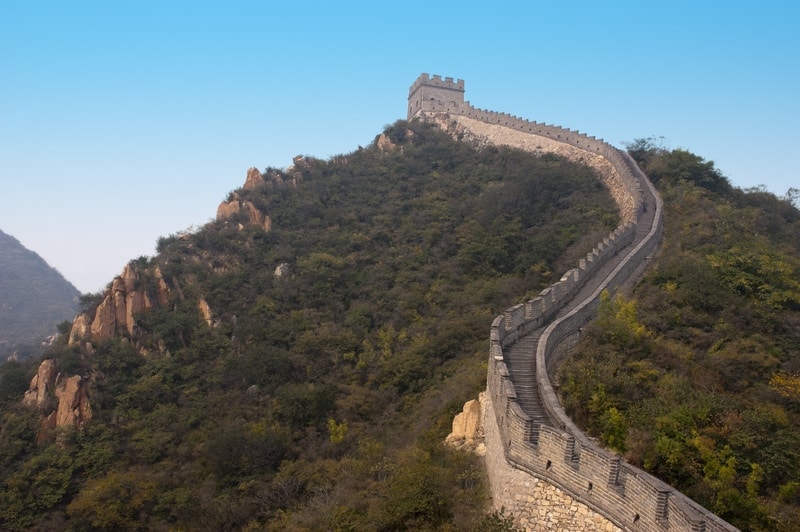
In China, the day I was there to visit the Great Wall, the landscape was filled with smog. China has serious infrastructure problems form unchecked industrial growth. I found that climbing higher along the wall the smog would decrease, but it was still extremely crowded. Had I been a more experienced traveler back then I might have realized that I should have tried going earlier in the day and meeting up with the group later.

It doesn’t matter where you’re going – across the globe, or across town – planning ahead and doing your homework will help you arrive prepared. If time and crowds are a factor, look for ways to improve your odds for a quality experience. If conditions prevent you from doing the photography you were hoping to do, then switch gears and find alternative subjects to photograph.

All photographs in this article are copyrighted me (Kevin “Wisconsinart” Thomas) via Dreamstime.com.

The post Near or Far – Beat the Crowds When Traveling appeared first on FREEYORK.