Showing posts with label Italy. Show all posts

Wednesday, January 30, 2019

An Artistic Duo Restored 7 Famous Historical Buildings to Their Ancient Glory in GIFs

Countries such as Greece, Italy, Egypt, and Mexico are famous for some of the most interesting historical monuments on the planet. Sadly, not all of them have managed to survive the cruel wheel of time, and after so many centuries that the only thing left to remind us of them are their destroys. But have you ever tried to envision how those architectural wonders, like Parthenon in Athens, Mexico‘s Pyramid of the Sun, or Italy‘s Temple of Jupiter, looked in all their glory?

Expedia’s NeoMan job, created in collaboration with Maja Wrońska and Przemek Sobiecki from”This Is Render,” gives us a unique chance to travel back in time and research the original structures until they were ruined by centuries of organic decay. This creative team examined seven famous historical buildings in 3D animations, bringing us back hundreds of years, gradually showing how they had been built up to the magnificent structures that they were. Scroll down to observe that stunning historical engineering functions on your own.

The Parthenon (Greece)
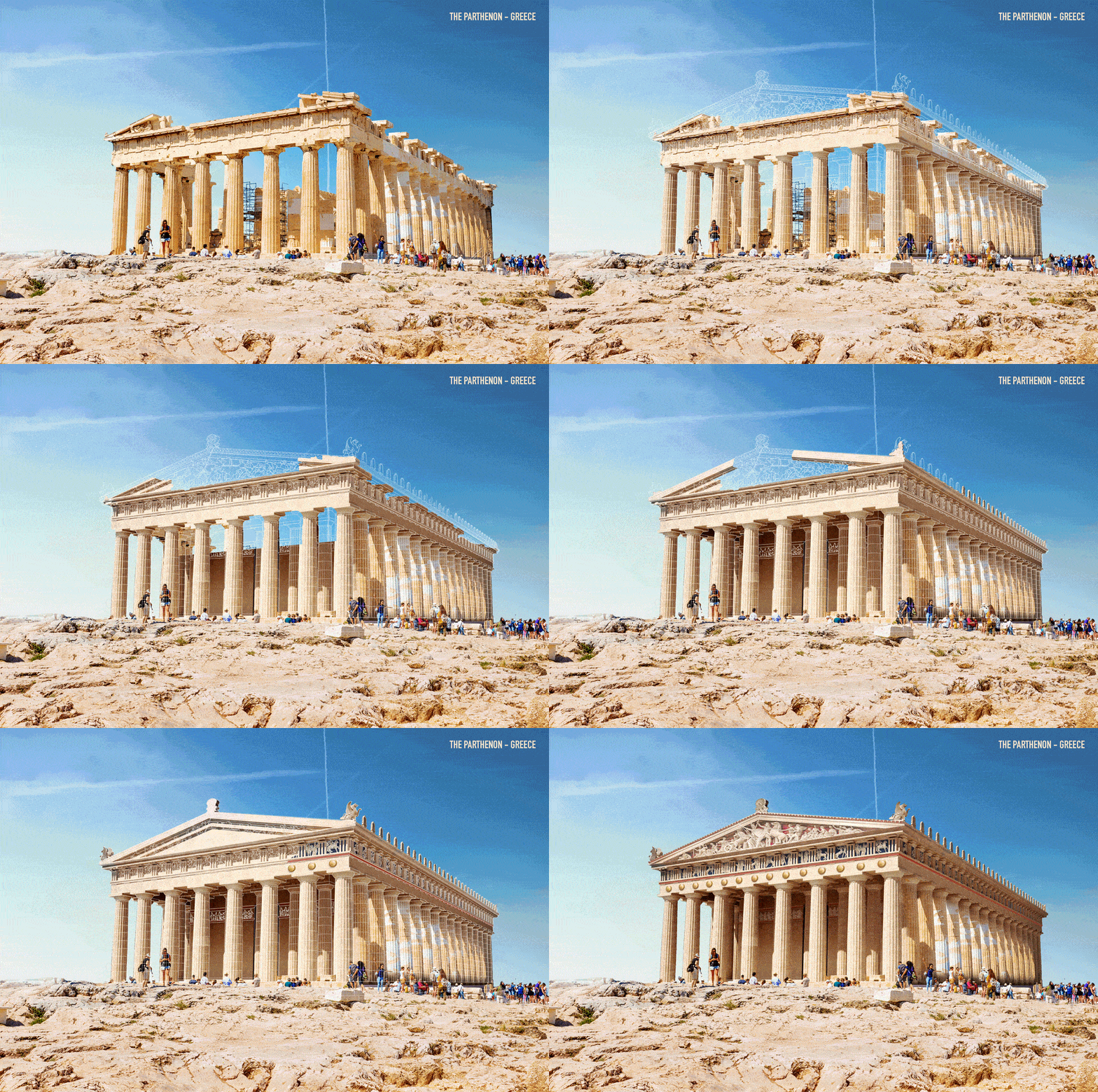
“Back in early times, this temple commissioned a monumental golden statue of Athena, the Greek goddess of knowledge, war, and craft. Sitting atop the mountain in the Acropolis, an ancient citadel in Athens, the Parthenon cuts an imposing silhouette. In 1687 it was seriously damaged in the Great Turkish War; however a lot of this sturdy Doric architecture withheld the burst, and a good chunk of it is still intact to this day. Nowadays it is a tourist destination bringing millions of visitors a year. This is, fully restored to its original glory. Athena herself would be pleased.”

Nohoch Mul Pyramid (Cobá) (Mexico)
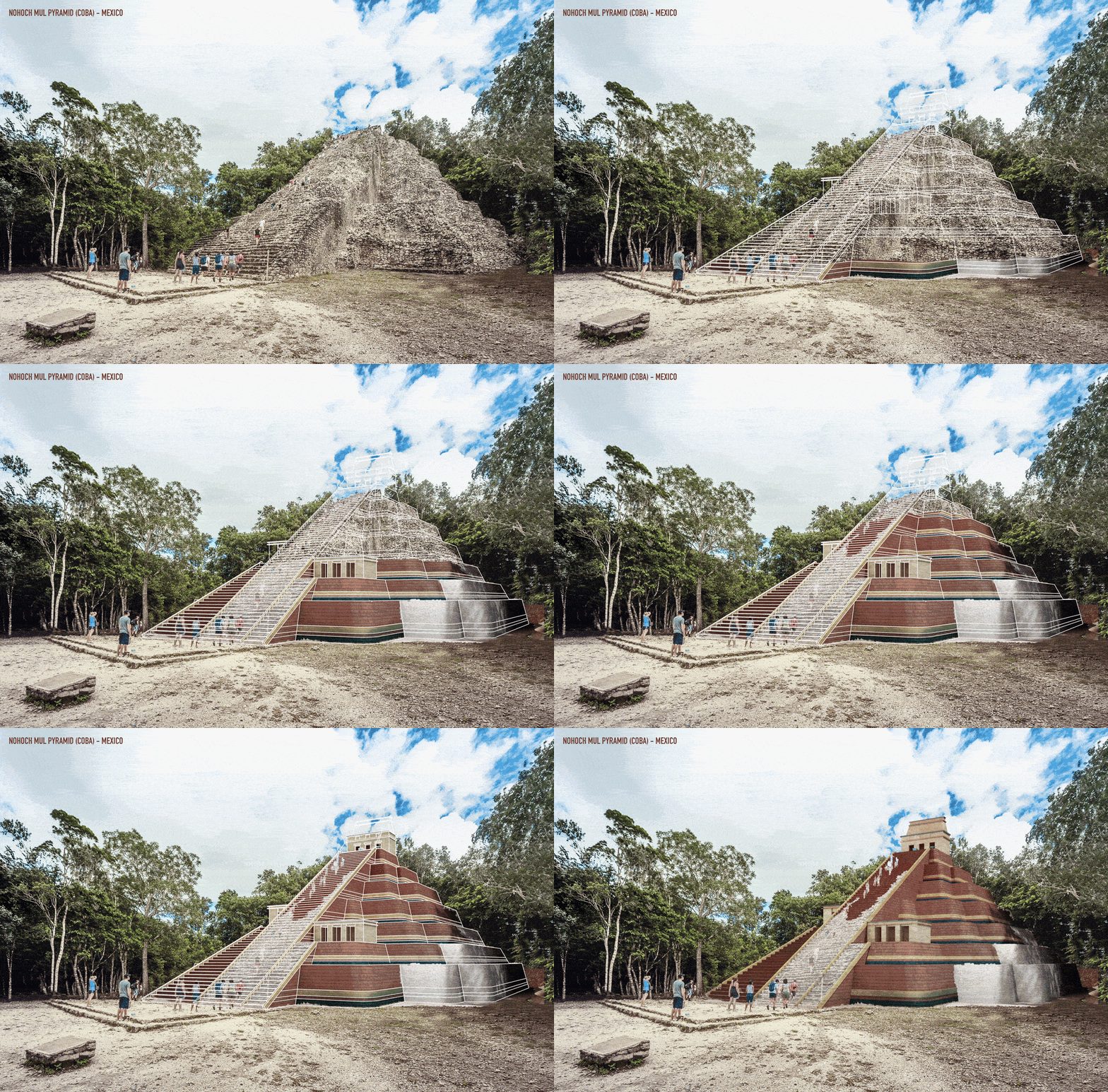
“Cobá is a Mayan remain in the Mexican state of Quintana Roo. The place is thought to have been first settled between 100 BC and 100 AD and left around 1550, upon the coming of the Spanish conquistadors. At 137 ft tall, Nohoch Mul is the tallest Mayan pyramid on the Yucatan Peninsula and the second highest Mayan pyramid in the world. It had been discovered in the 1800s, but the archaeological site was not opened to the public until 1973, since the thick jungle which surrounded it made it challenging to find. It’s off the hidden path, but today you can get there by public transportation or car.”

Area Sacra di Largo Argentina (Italy)
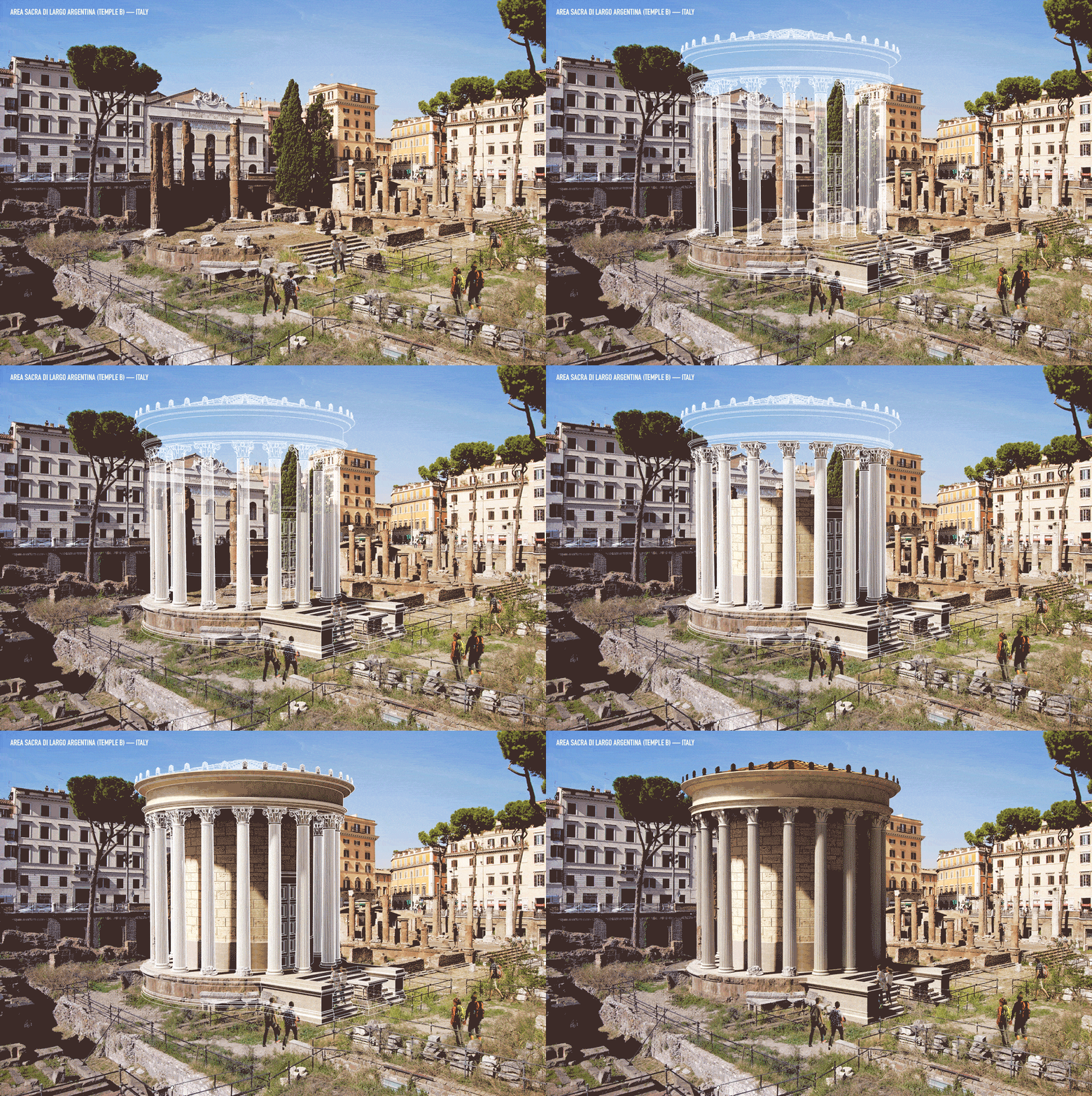
“This square in Rome homes not one, but four Roman temple ruins. It had been discovered during construction work from the 1920s. Temple B has become the most recent of the four temples, and six of its columns, the original steps and the alta are still intact. Visitors to the area will not just find a fascinating archaeological website, but also countless cats living among the ruins. Volunteers feed, clean and look after the cats and people are urged to say hello or even adopt them. Here’s what the temple would have looked like, minus the cats.”

The Pyramid of the Sun (Mexico)
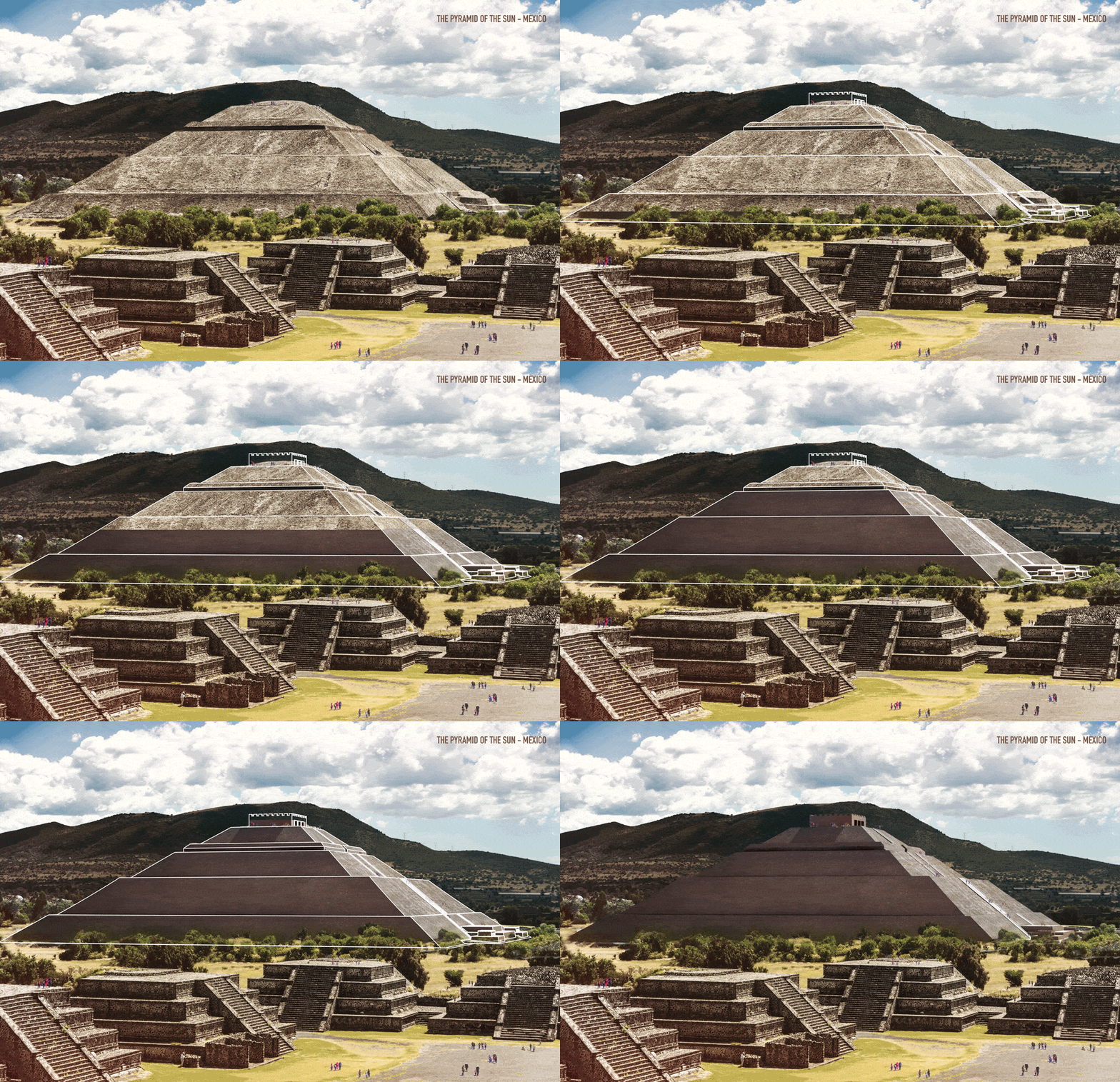
“Teotihuacán was among the earliest urban facilities in central Mexico and is presently one of the essential archeology sites in Mexico. It had been constructed between the 1st and 7th centuries CE, but we understand very little about people who built it. They constructed the first complex cities in the region and then mysteriously vanished. The Pyramid of the Sun is the greatest building in Teotihuacan and one of the earliest pyramids in central Mexico. It’s also among the largest, and as you can see from that reconstruction, it was a spectacular mountain of a structure.”

Temple of Jupiter (Italy)
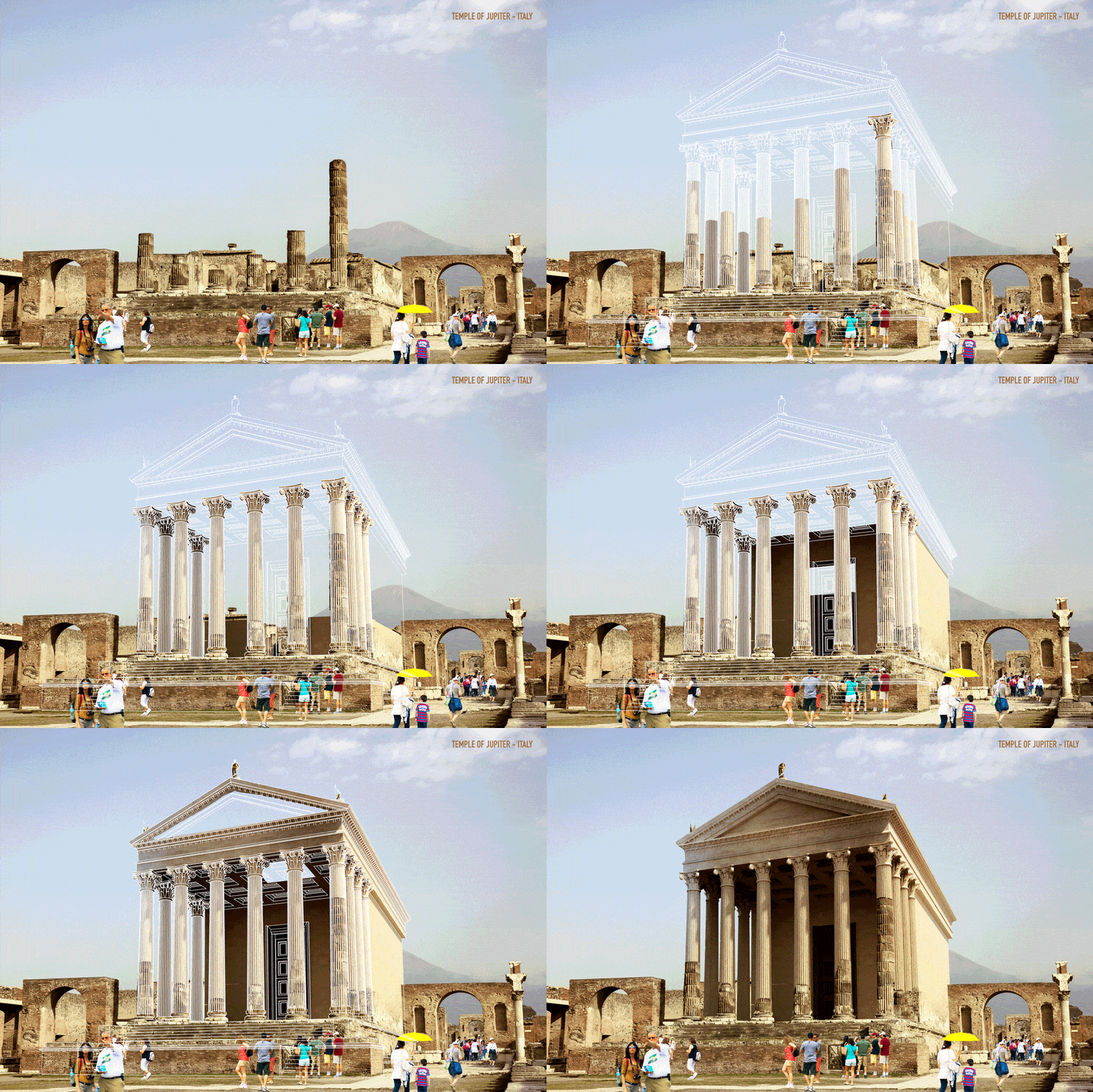
“Built-in commitment to Jupiter, the god of the sky and thunder, this temple has been the primary center of religious life in the ancient town of Pompeii, a tiny Roman city around the Bay of Naples. It stood imperative in the Forum, with Mount Vesuvius towering ominously supporting it. The volcano exploded in August of 79 AD, tragically erasing Pompeii from the surface of the planet. The place was discovered in the 16th century, and lots of years of excavation have given the millions of annual visitors an interesting insight into the everyday life of the 1st-century Roman city.”

Luxor Temple (Egypt)
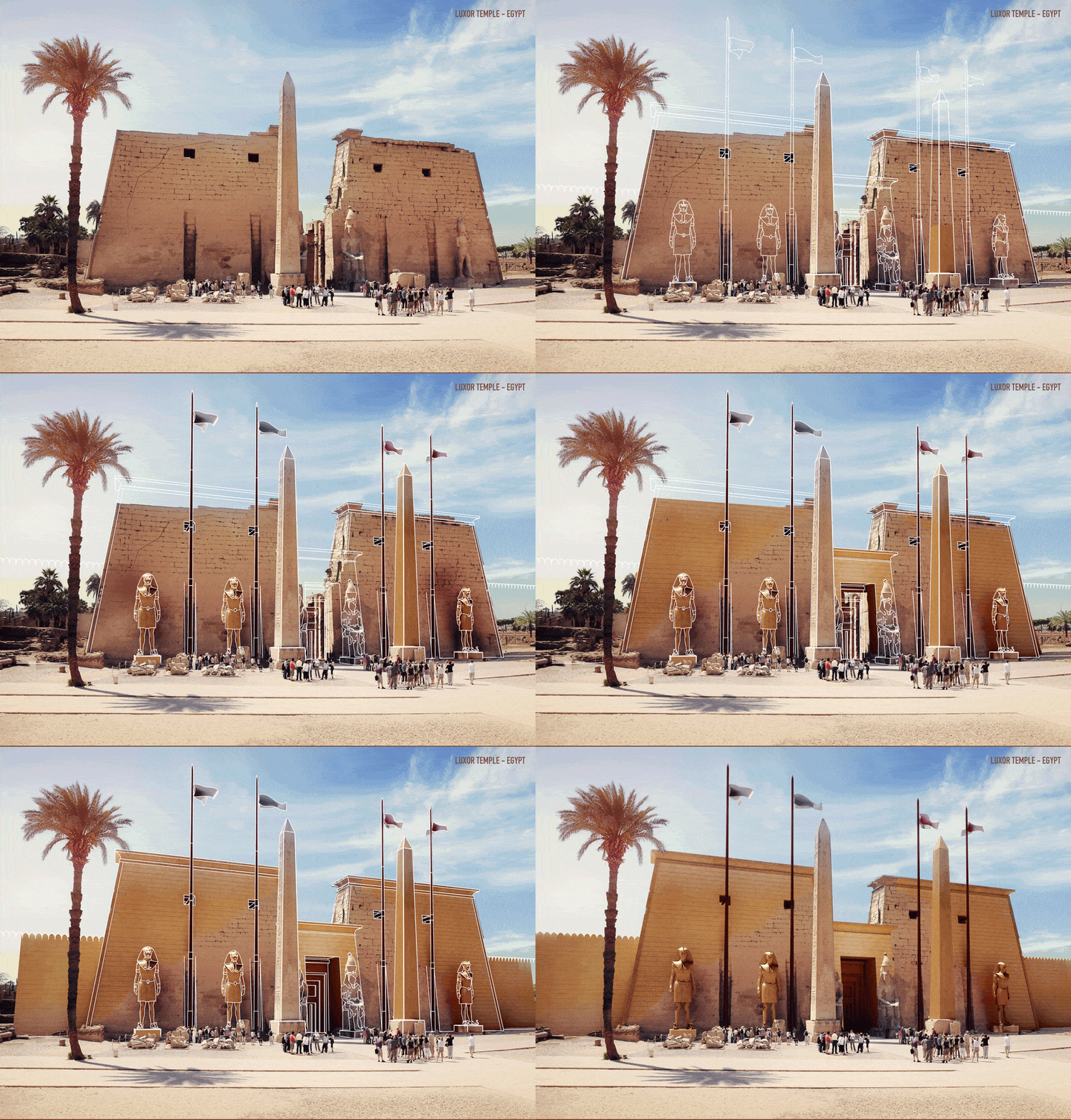
“Since its beginning, Luxor Temple, which takes its title from the Arabic word, al-Uksur (“fortification”), was a sacred site. Commissioned from Amenhotep III at 1380 BC, the temple has been renovated by Rameses II about a hundred decades later to incorporate a great pylon gateway and an open courtyard. It was joined to the neighboring Karnak Temple with an avenue of sphinxes, who guarded the temple gates. With huge obelisks and architraves, Luxor Temple represents a few of ancient Egypt‘s most monumental stone architecture. It is a testimony to the country’s history and a must-see on any Egyptian holiday.”

Milecastle 39 (part of Hadrian’s Wall) (England)
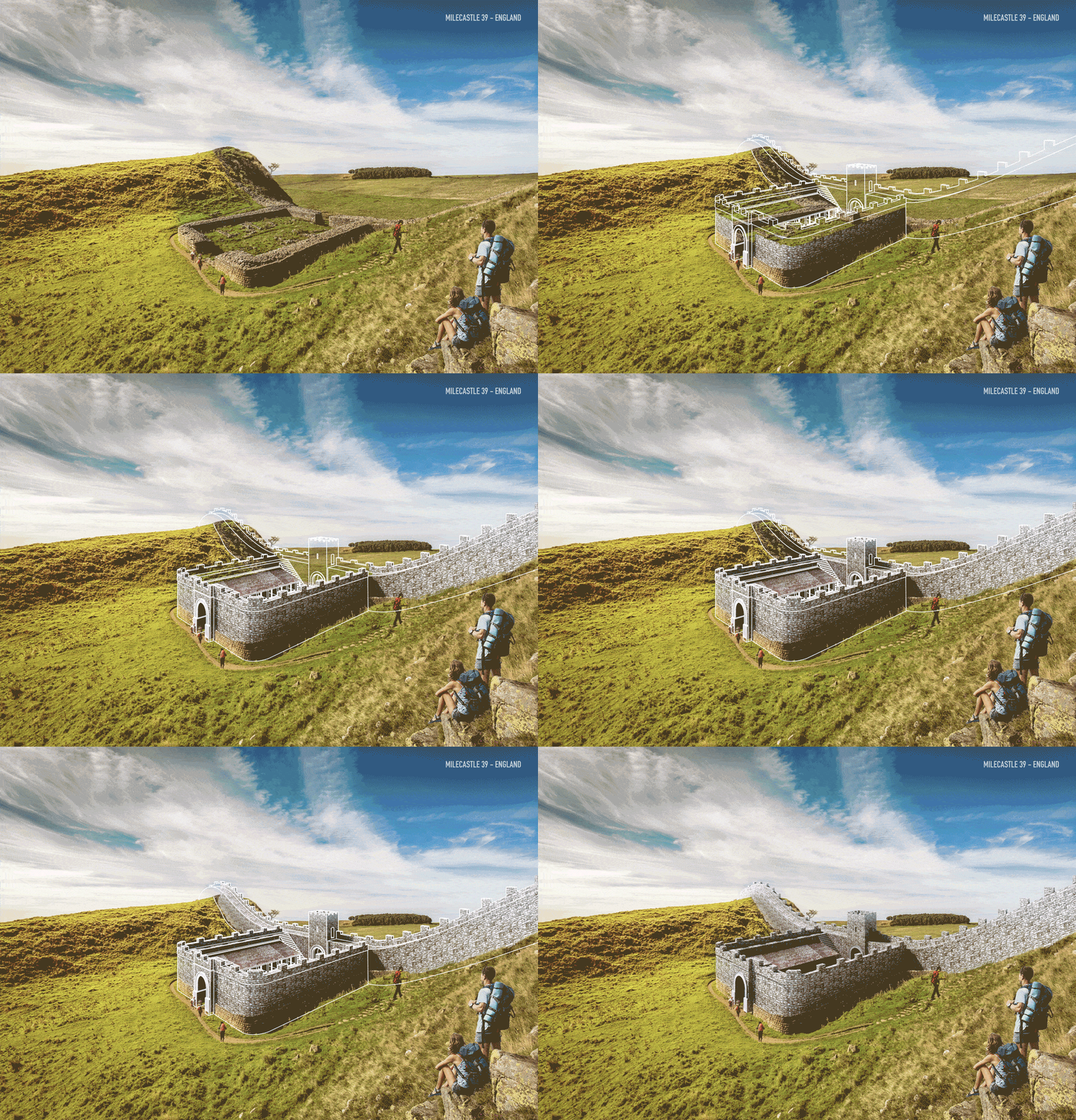
“Stretching 73 miles around some of the most exciting countrysides in England, Hadrian’s Wall dates back to the 1st century AD. Historians still dispute the reasons for the building of the wall. The most common theory is that on getting Roman Emperor in 117 AD, Hadrian had the wall established to make his empire more secure. To improve security, forts called mile castles were put along the wall at intervals of roughly one Roman mile.”

The post An Artistic Duo Restored 7 Famous Historical Buildings to Their Ancient Glory in GIFs appeared first on FREEYORK.

Thursday, August 30, 2018

An Italian Design Studio Create Furniture from Eroded Travertine Encased in Resin

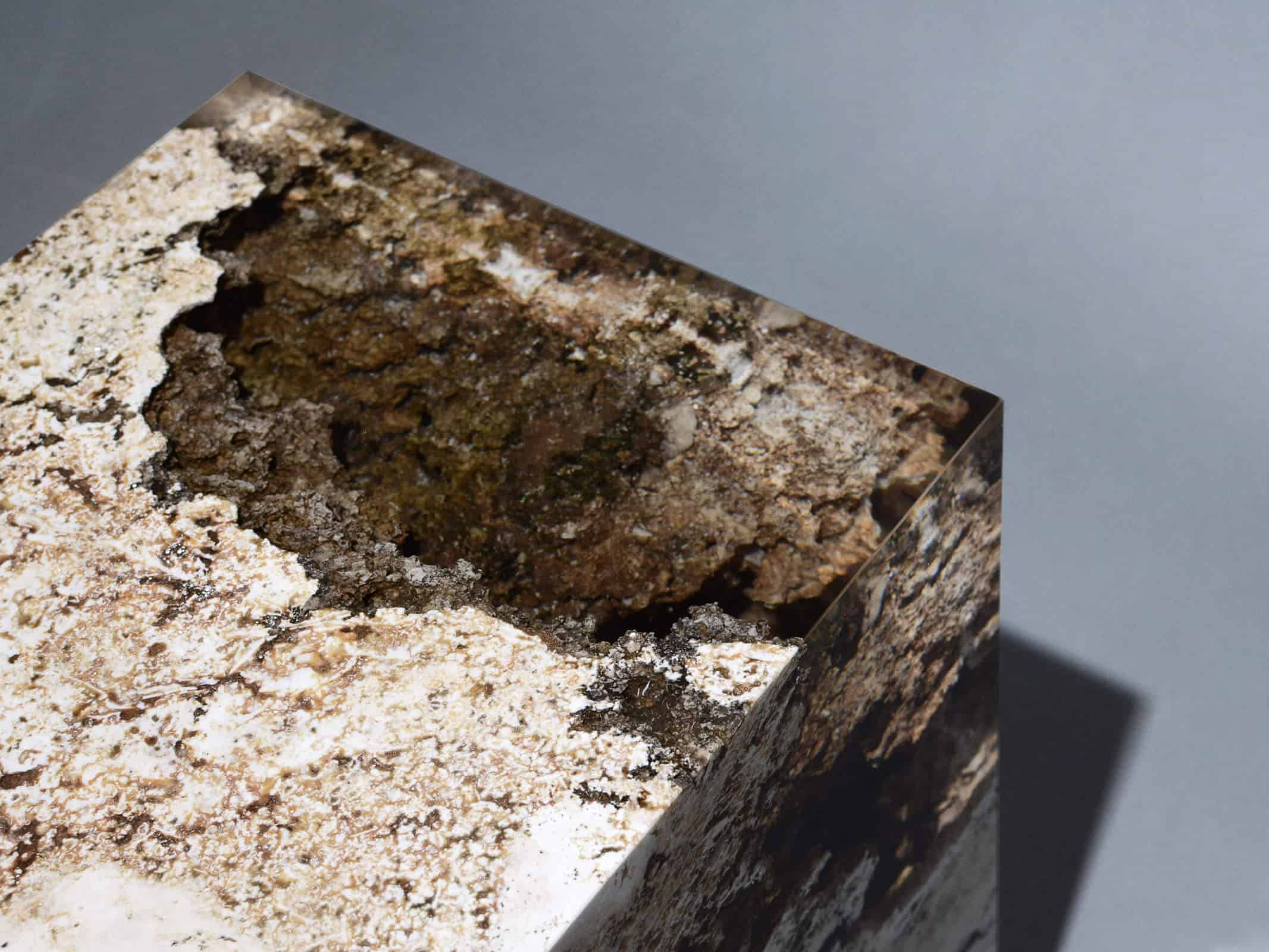
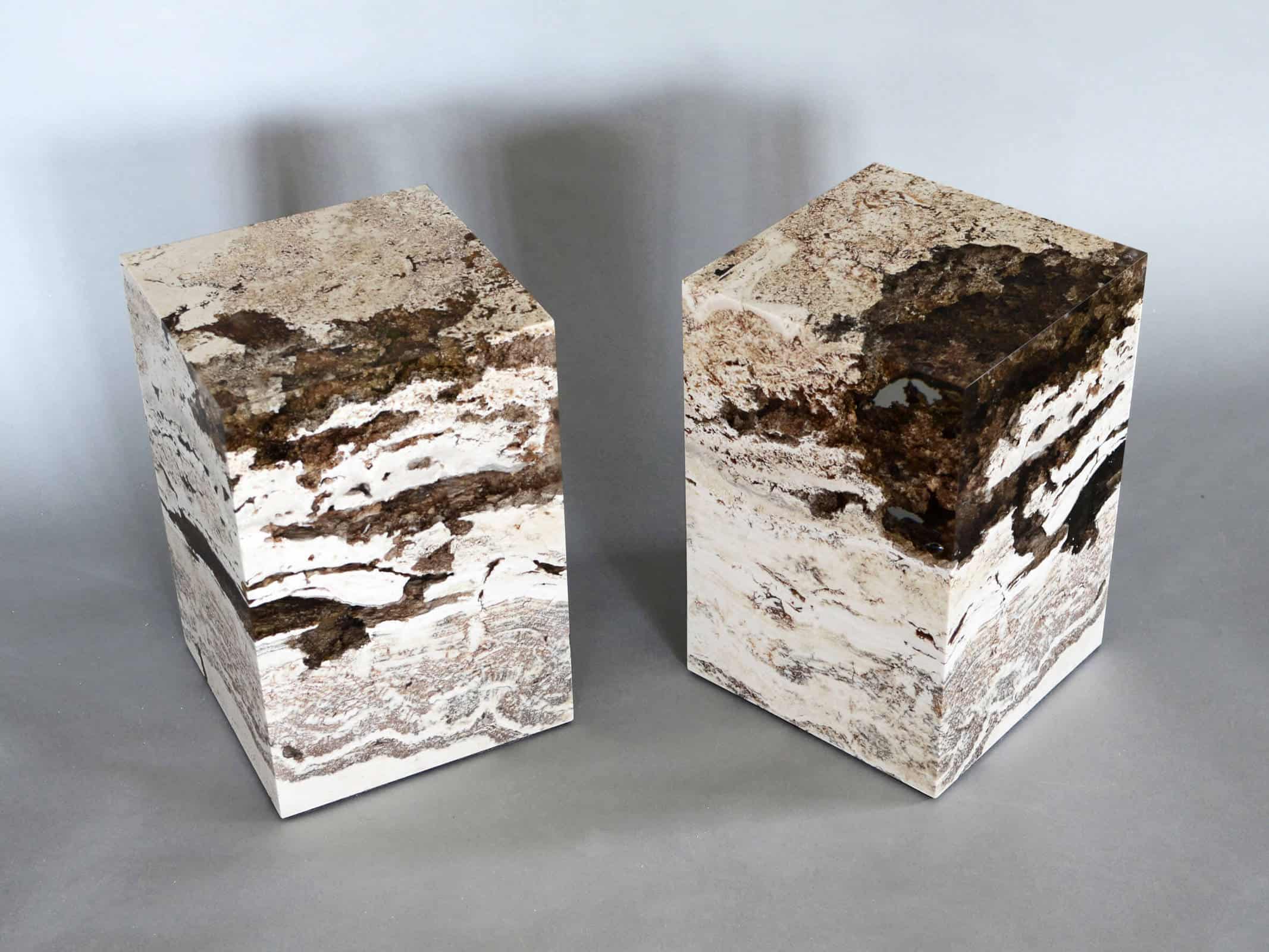
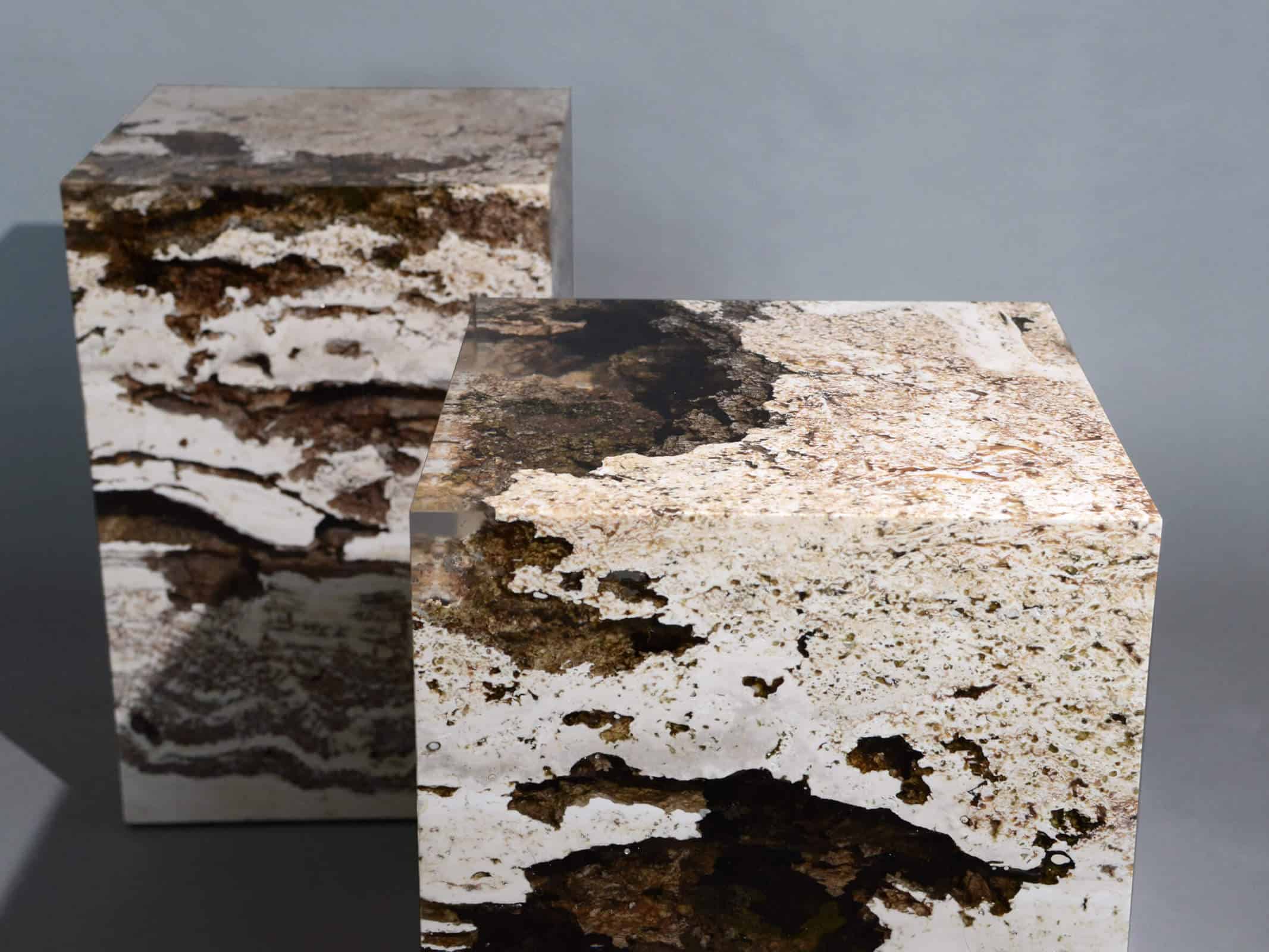
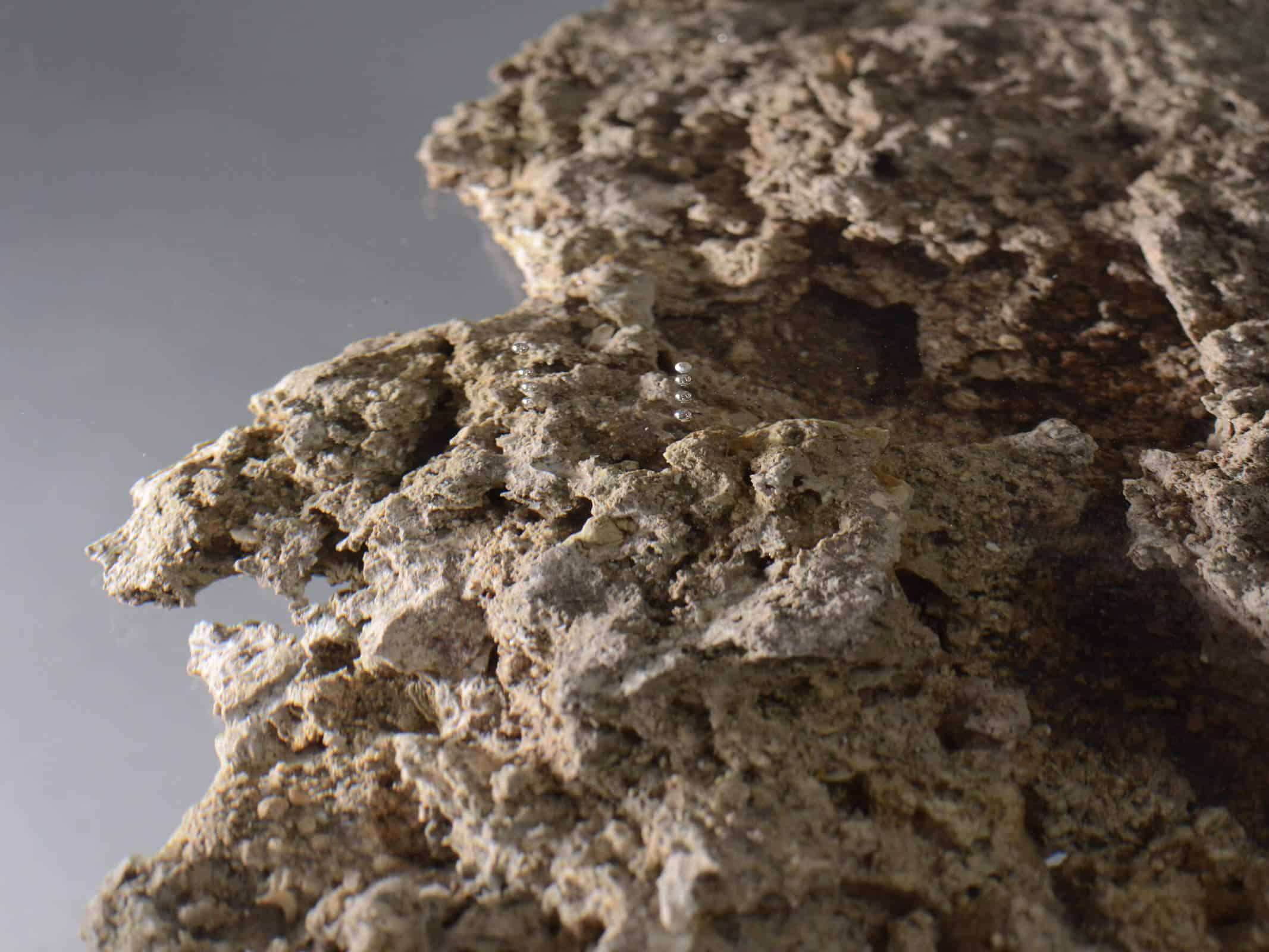
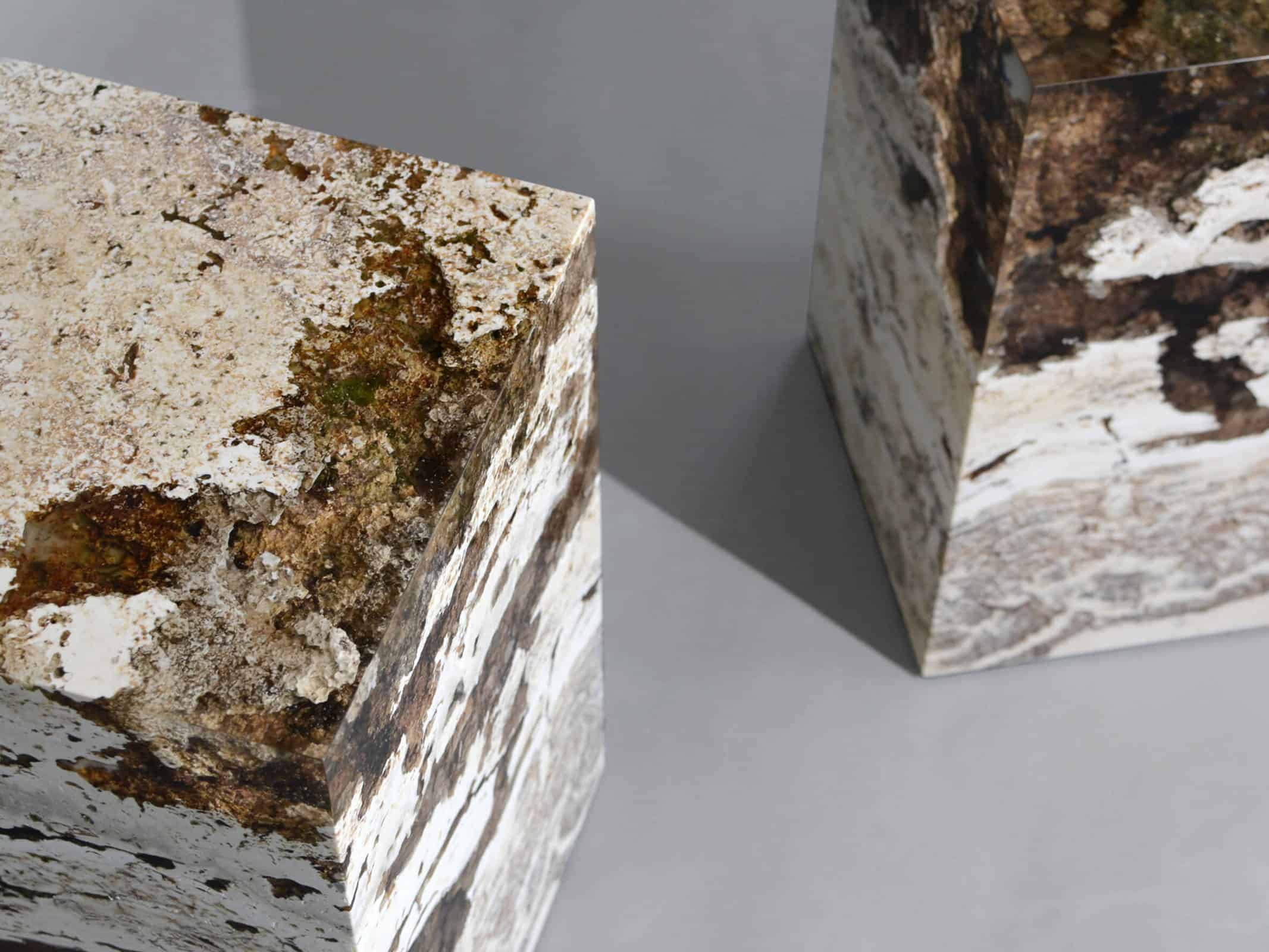
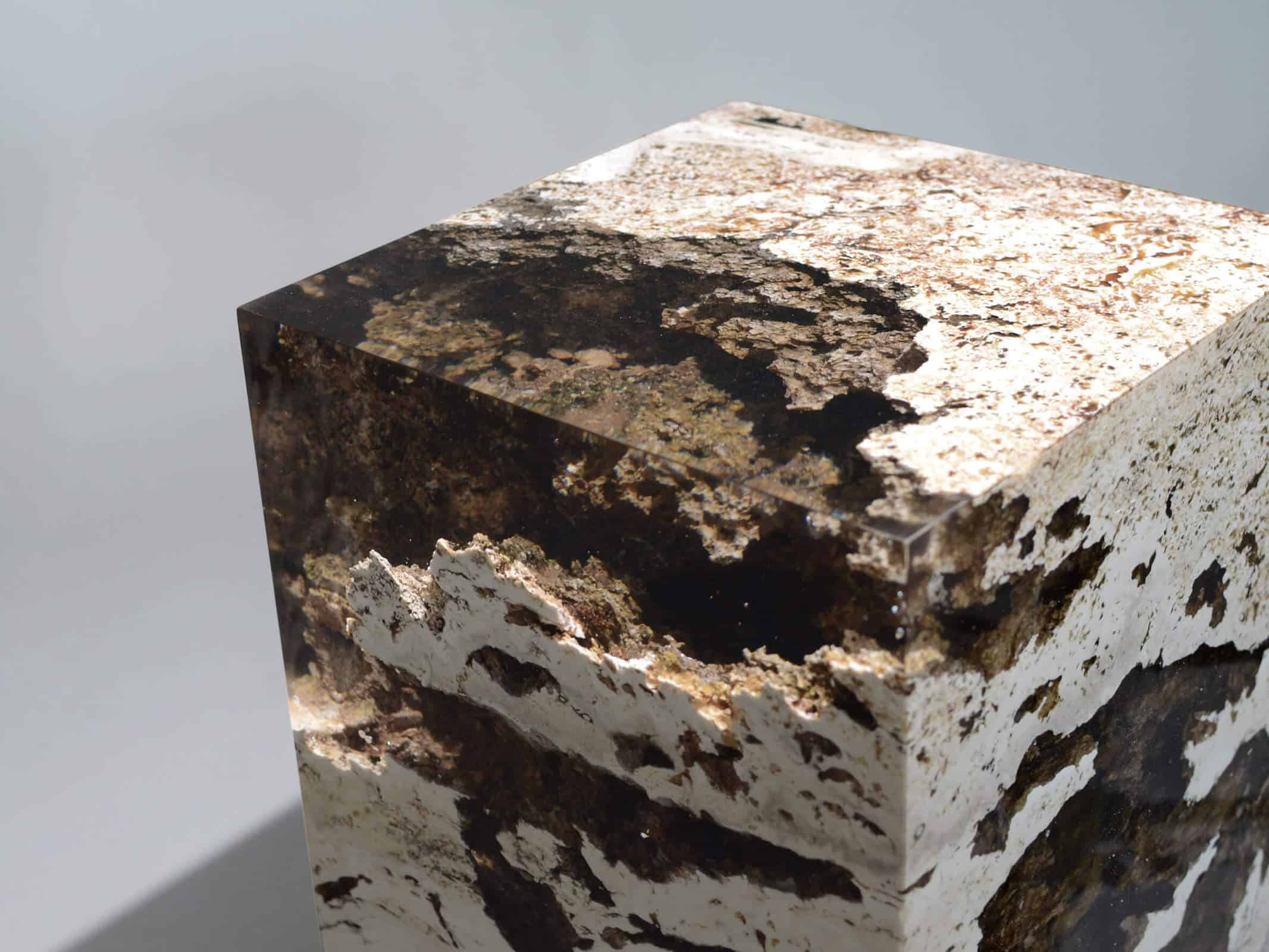
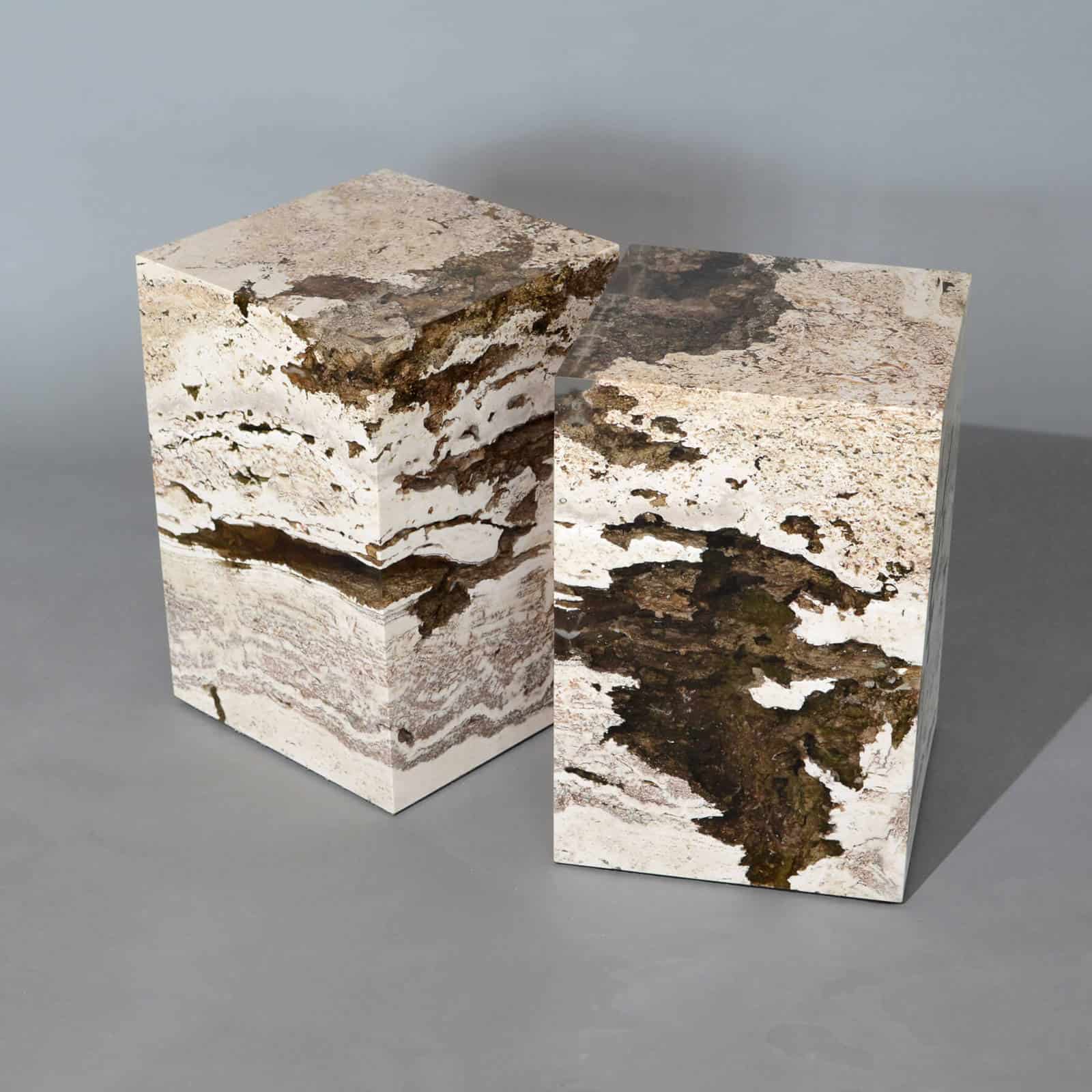
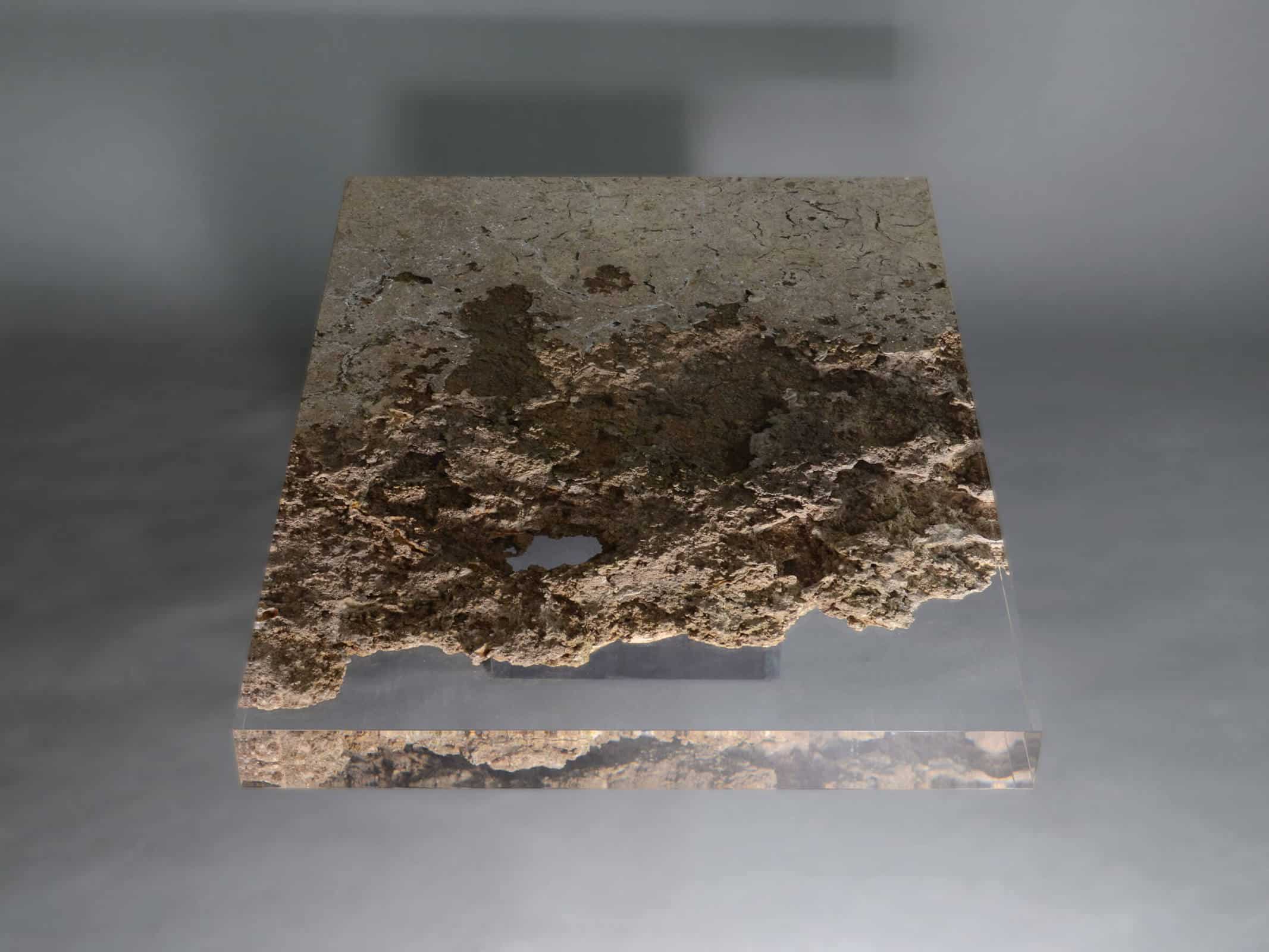
Italian design studio Alcarol has teamed up with Tuscan rock company Vaselli to make a table and stools created of eroded Travertine encased in resin.

Presented at BSPK, a furniture gallery curated by Nicola Gallizia, throughout Milan design week, the table and stools are manufactured from Rapolano Travertine — a kind of sedimentary rock which has been bandied around Siena, in Tuscany, for centuries.

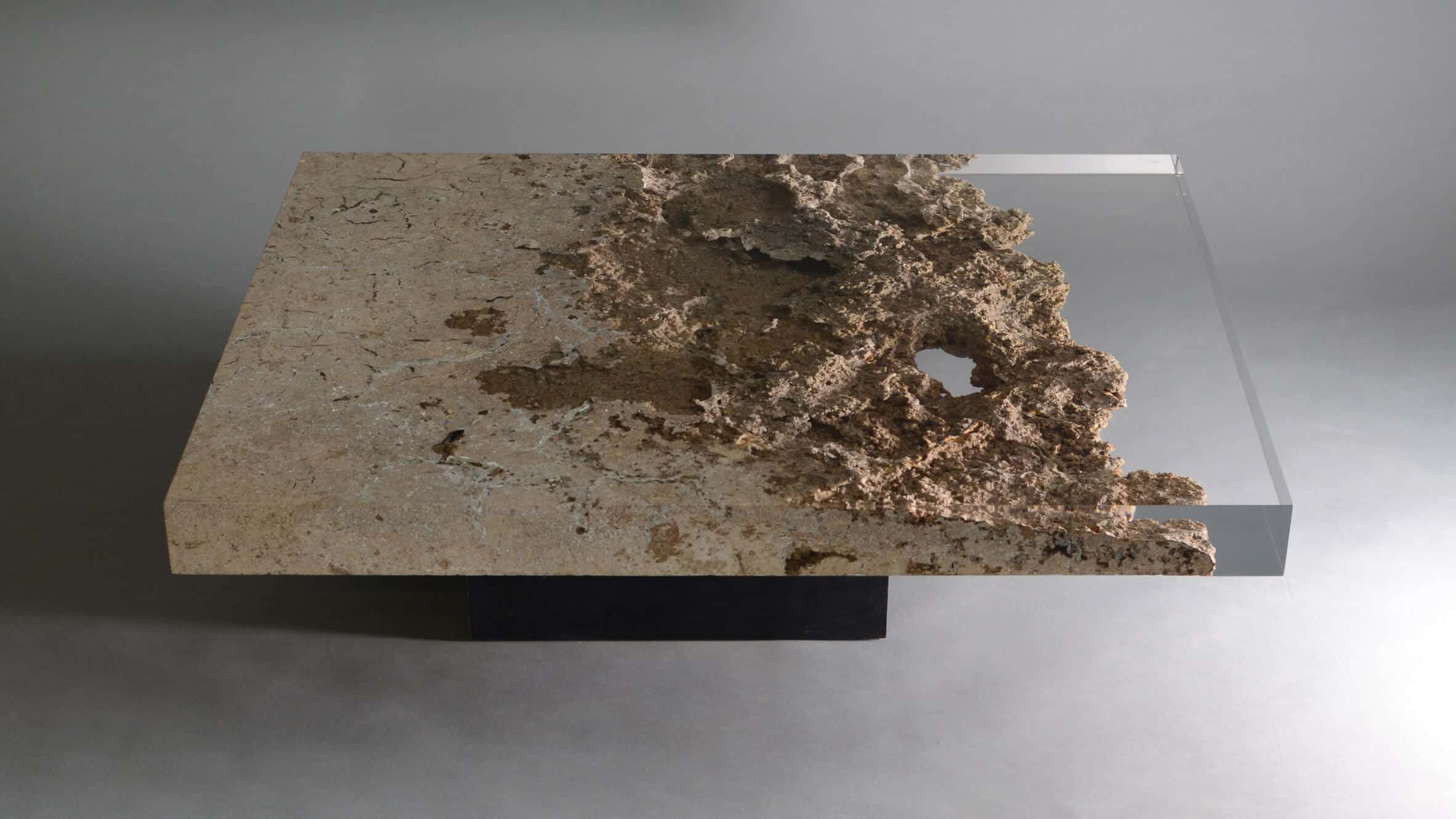
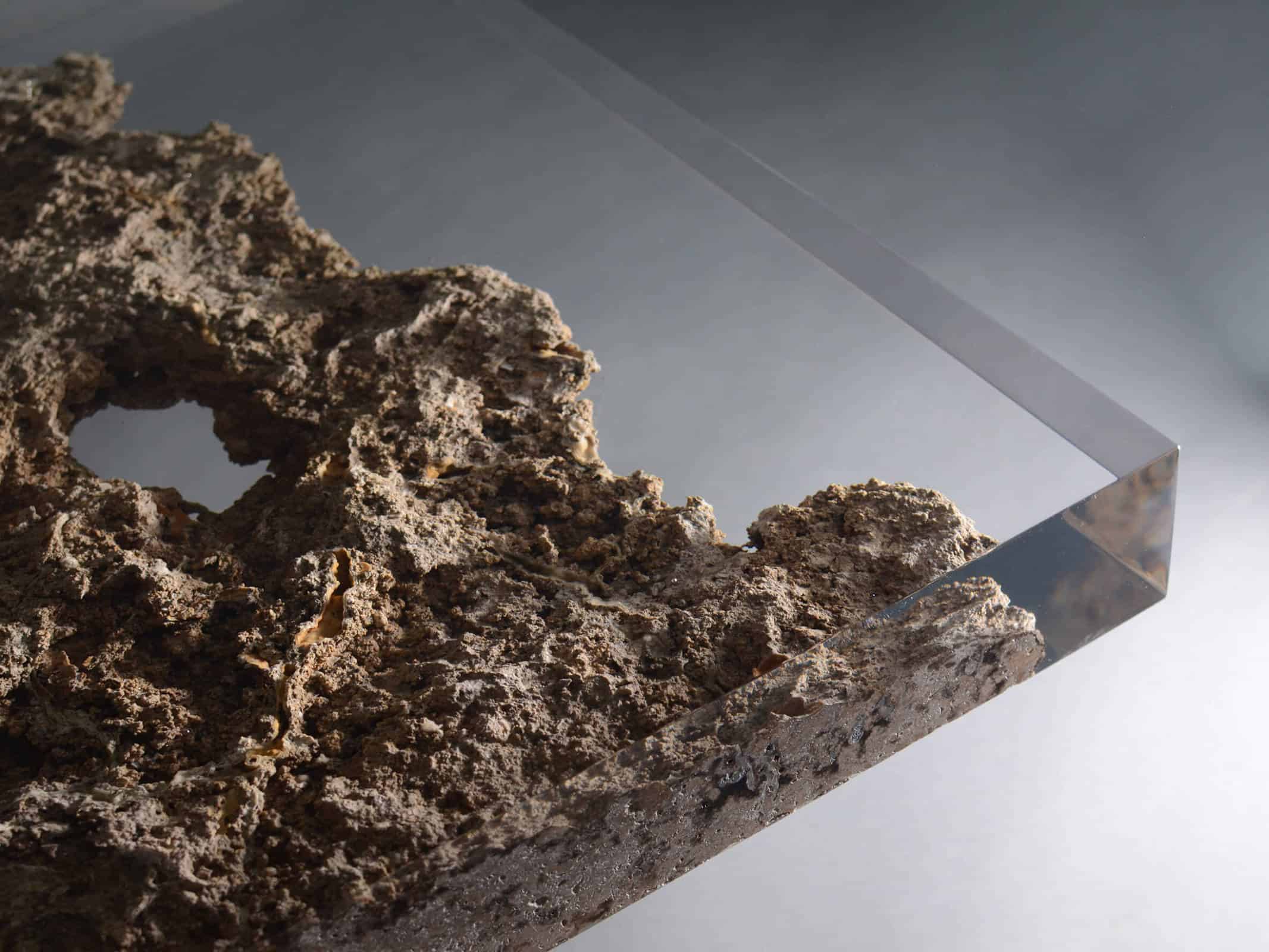
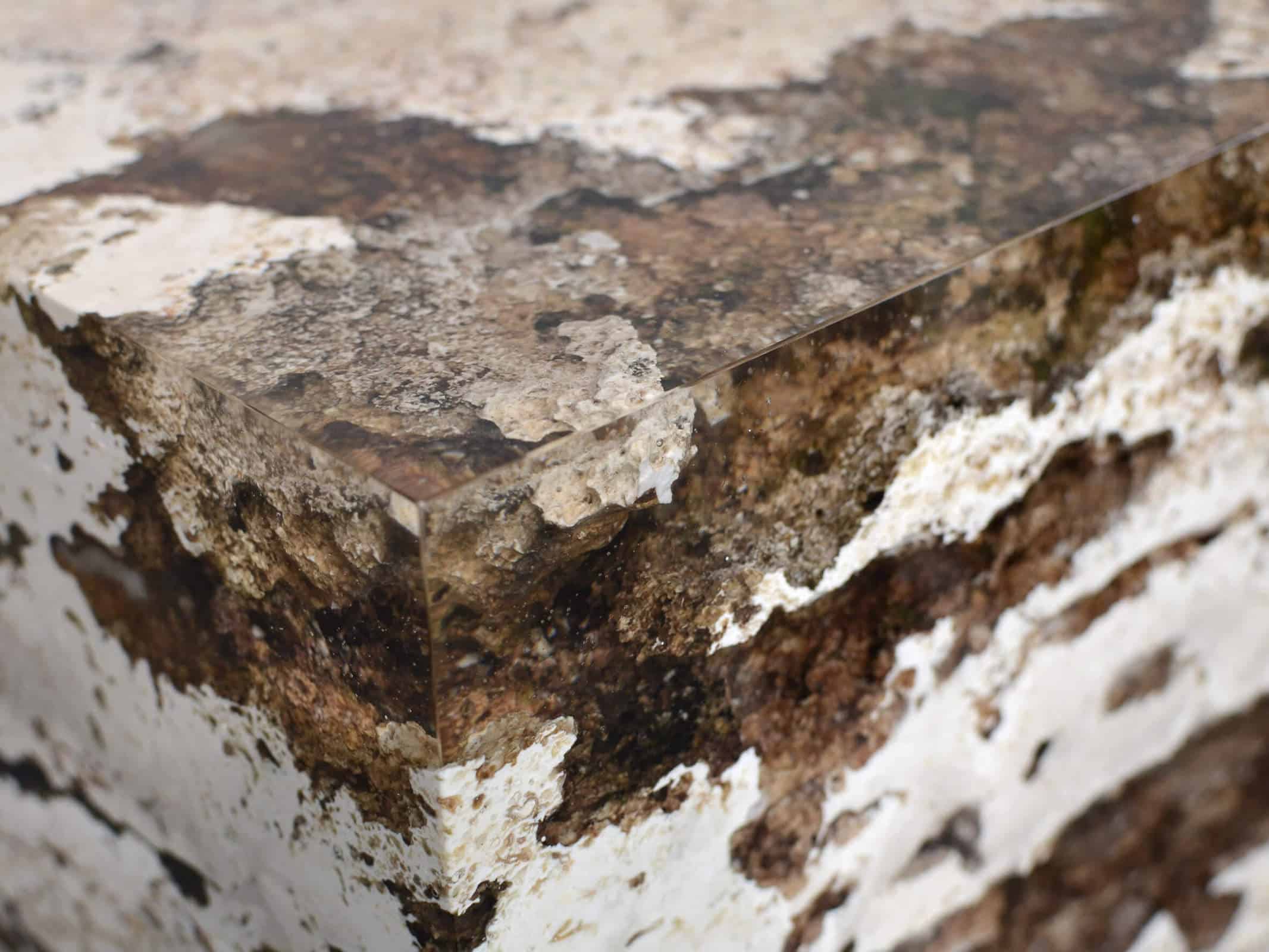
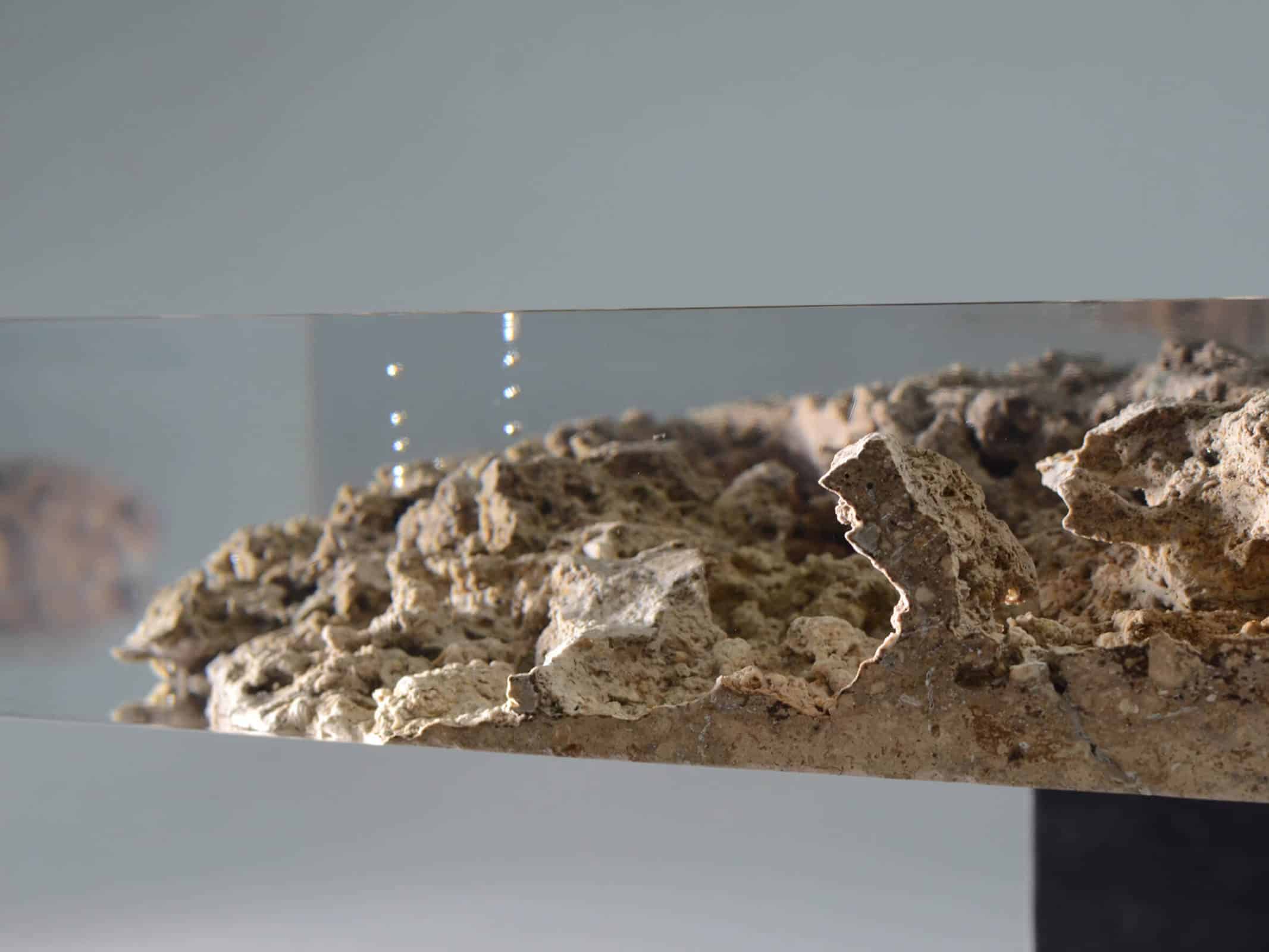
Alcarol and Vaselli took blocks of this eroded travertine stone and cast them in transparent resin. The resin that strengthens and keeps the stone’s cavities is then polished to create perfectly angled blocks and slabs.

Fixed onto a burnished steel base, a slab of Travertine that fades into clear resin creates a low table, while the blocks of stone and resin are cut into ideal cuboids to design the stools.

The designers stated that clear resin was chosen as it resembles the water where these stones lay submerged through various eras.


Travertine, which can be white, tan, cream colored, and even rusty is a terrestrial sedimentary rock with a crystalline-texture.

For centuries it has been quarried from the Italian town of Rapolano, which is known for its hot springs where the Romans used to shoot thermal baths.

The stone is formed by the precipitation of carbonate minerals, frequently at the mouth of a hot spring or in a limestone cave, and its porosity is a result of the existence of organisms like macrophytes, bryophytes, and algae.

It’s been utilized as a construction material as the period of the Etruscans around 800 BC.

The travertine bits are the newest in a lengthy set of resin furniture created by the Italian design studio based on precisely the same idea.

The post An Italian Design Studio Create Furniture from Eroded Travertine Encased in Resin appeared first on FREEYORK.
Wednesday, April 4, 2018

Discover the Dolomites Through an Infrared Lens of Paolo Pettigiani

The Beatles‘ dreamlike ‘tangerine trees and marmalade skies’ look surreally close to reality in these infrared images by Italian photographer Paolo Pettigiani. Shot around the Dolomites mountain range from Italy, the photos ‘show something that is widely familiar to your eye, under a new and unexpected perspective.’

Trees turn a punchy pink, and blue skies are dramatized through the photographer‘s infrared lens. ‘after three decades of arts and design classes at Politecnico at Turin, these shots have awakened my need to use color to distort reality,’ Pettigiani says. ‘This project, for instance, was taken with a Nikon D750, converting full-spectrum, to learn more about the light’s spectrum emanated from plants. A spark which lies just beyond the beam visible to guys.’

h/t designboom

The post Discover the Dolomites Through an Infrared Lens of Paolo Pettigiani appeared first on FREEYORK.
Sunday, February 25, 2018

Melancholic Illustrations That Show Complex Human Emotions by Virginia Mori

Using simple line drawings and pared down graphics, Virginia Mori captures complex human emotions. Although many of Mori’s illustrations lean toward the melancholy with themes of isolation and anxiety, moments of levity and escapism are available, especially in her works that feature books. Mori’s artworks have a tendency to feature only one individual, often a young female protagonist, or a couple of men and women that aren’t quite interacting.
The artist resides and works in Italy, and along with her pencil and pencil drawings, she also is an animator. Lately, Mori’s illustrations were the inspiration for a photo series using the trend brand Gucci. You may view more of her job on her Instagram and Facebook.

Thursday, February 22, 2018

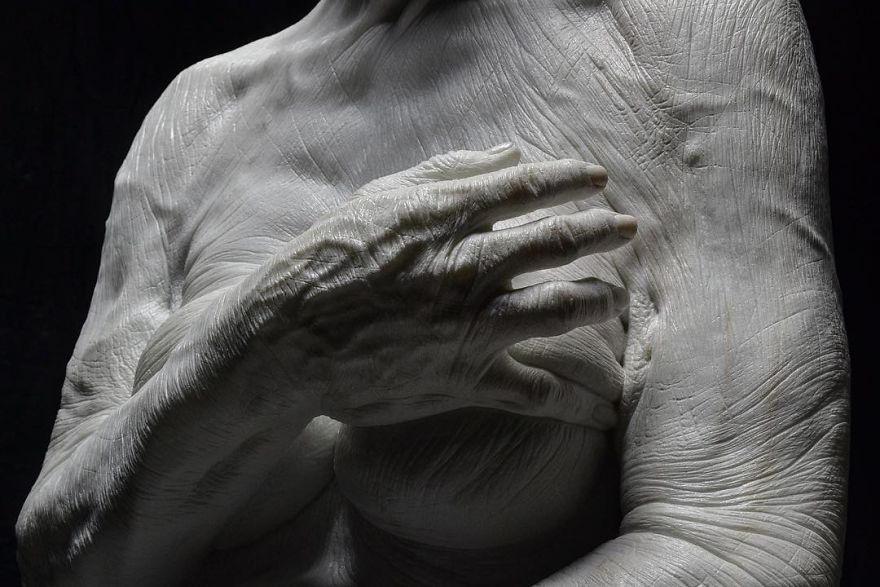
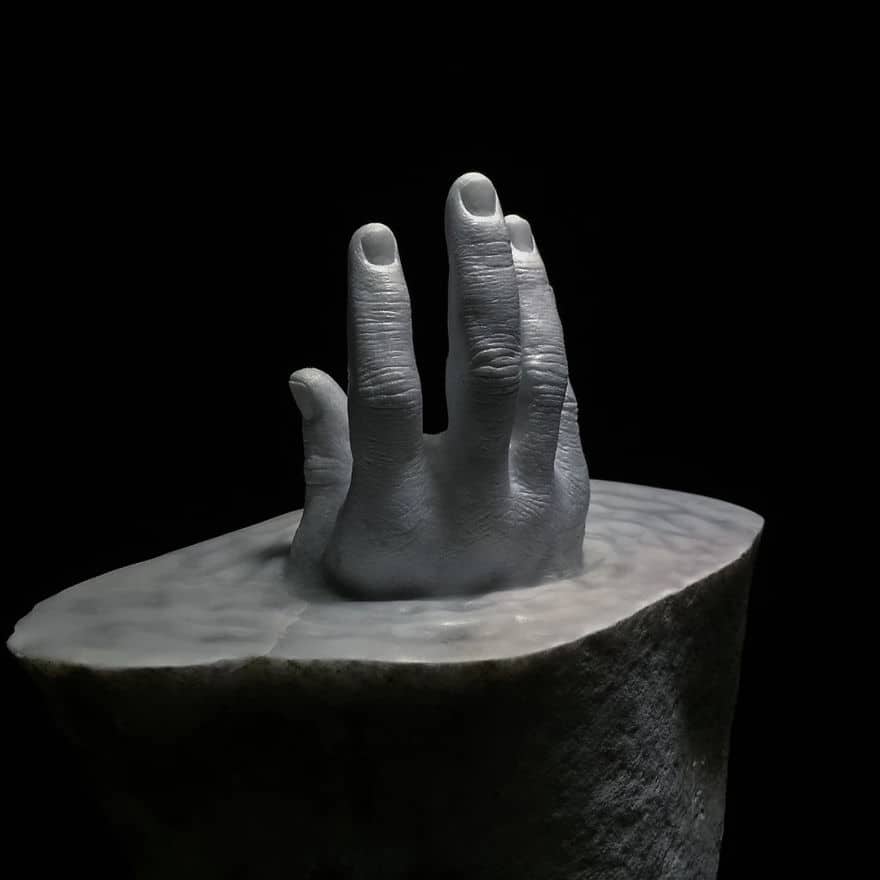
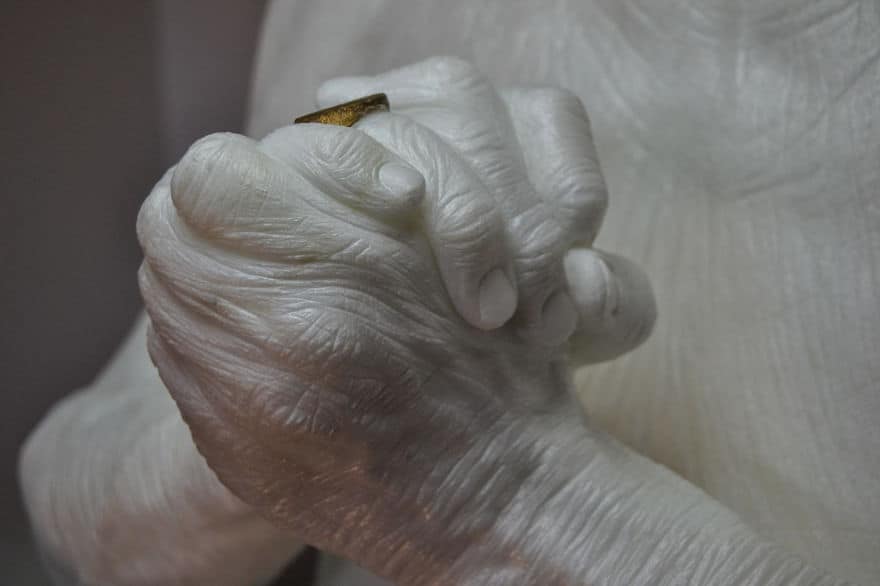
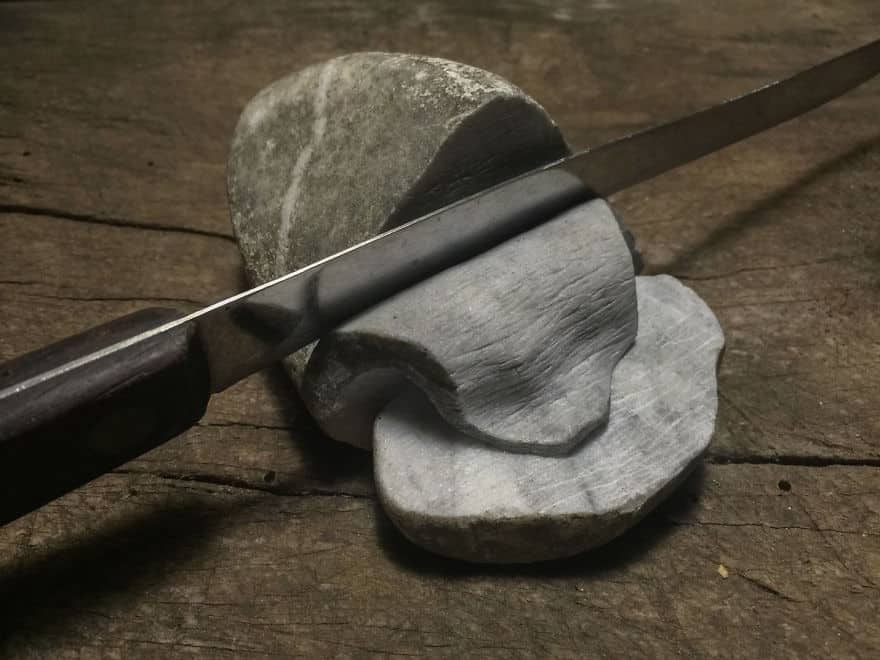
An Artist Creates Realistic Michelangelo Inspired Sculptures

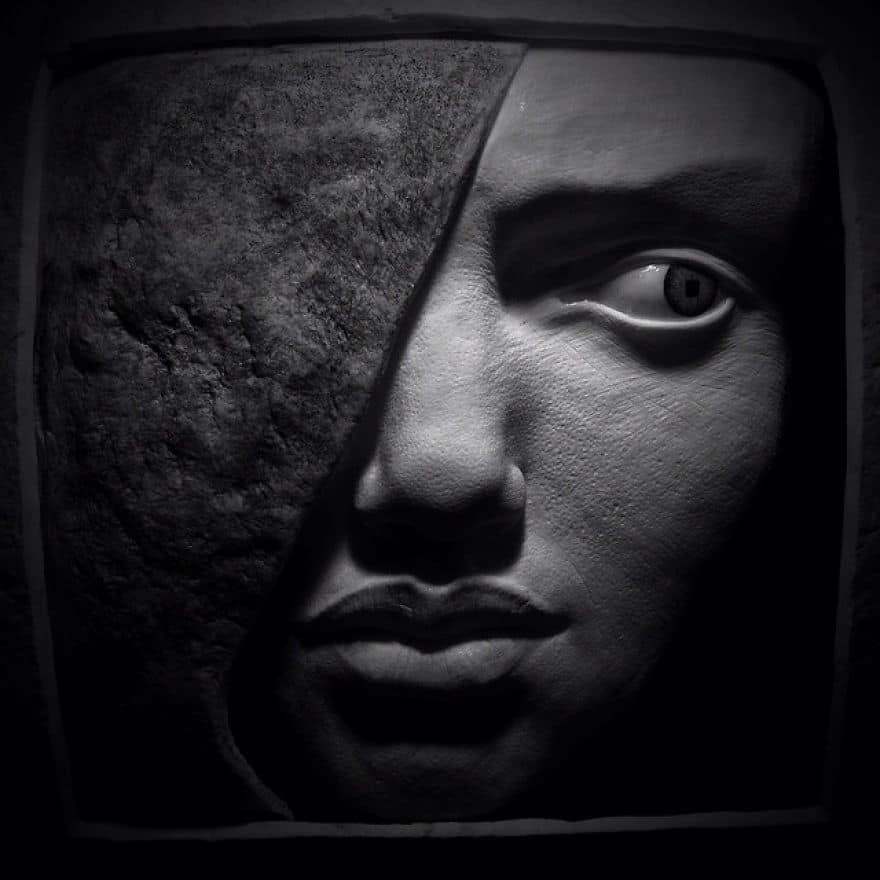
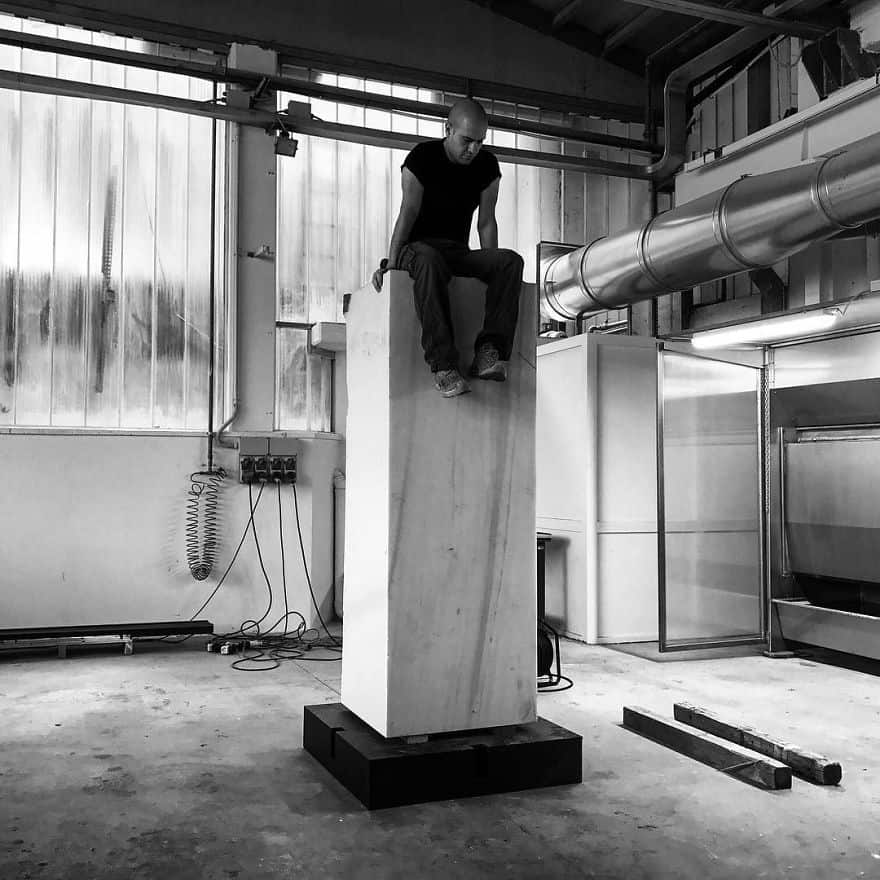
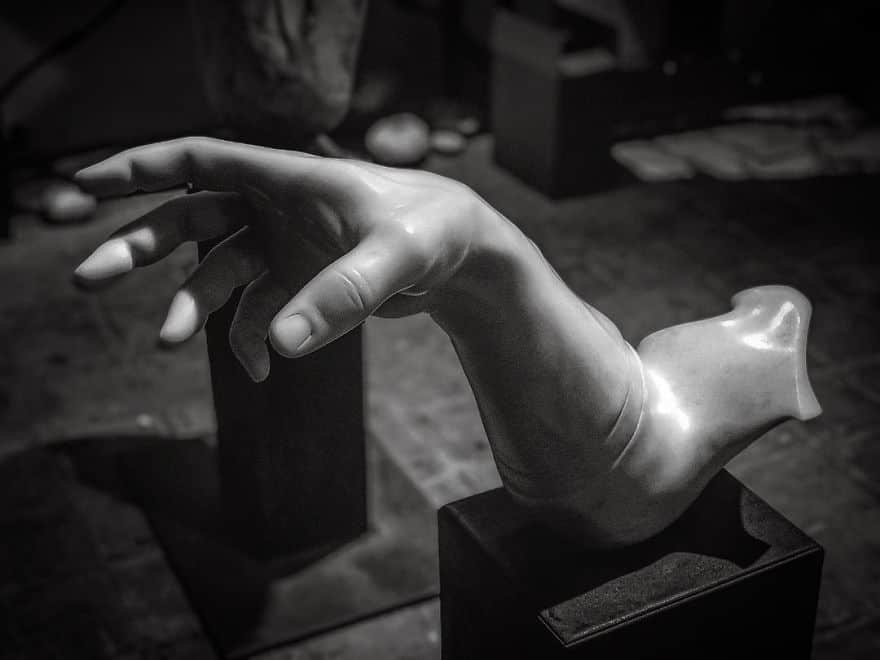
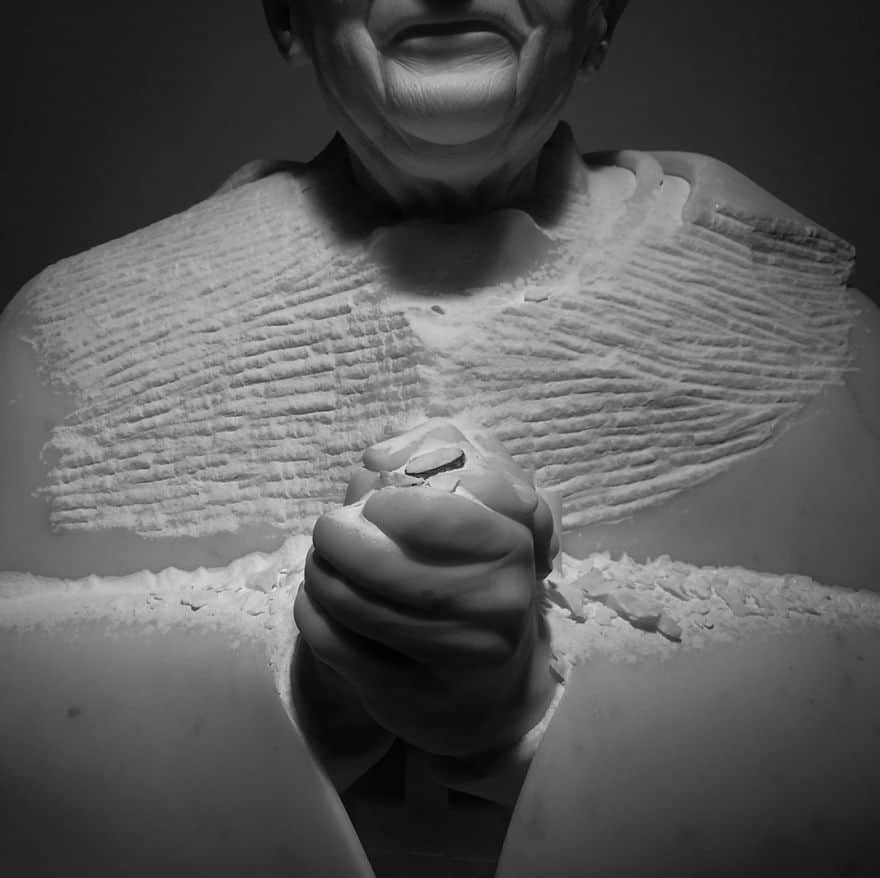
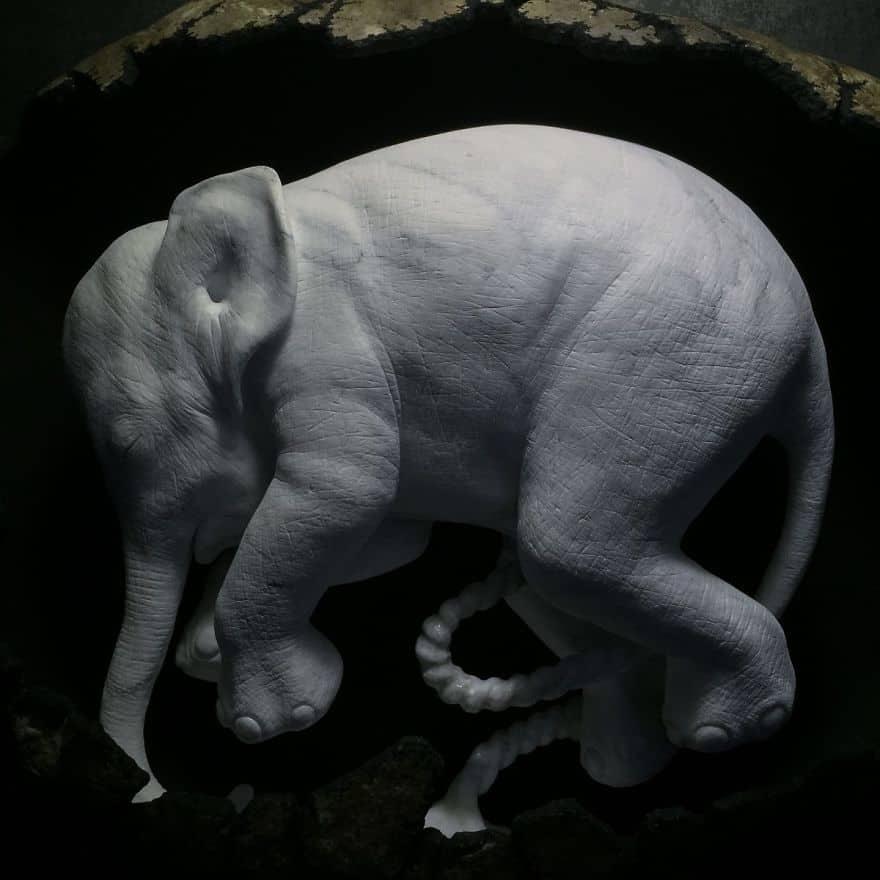
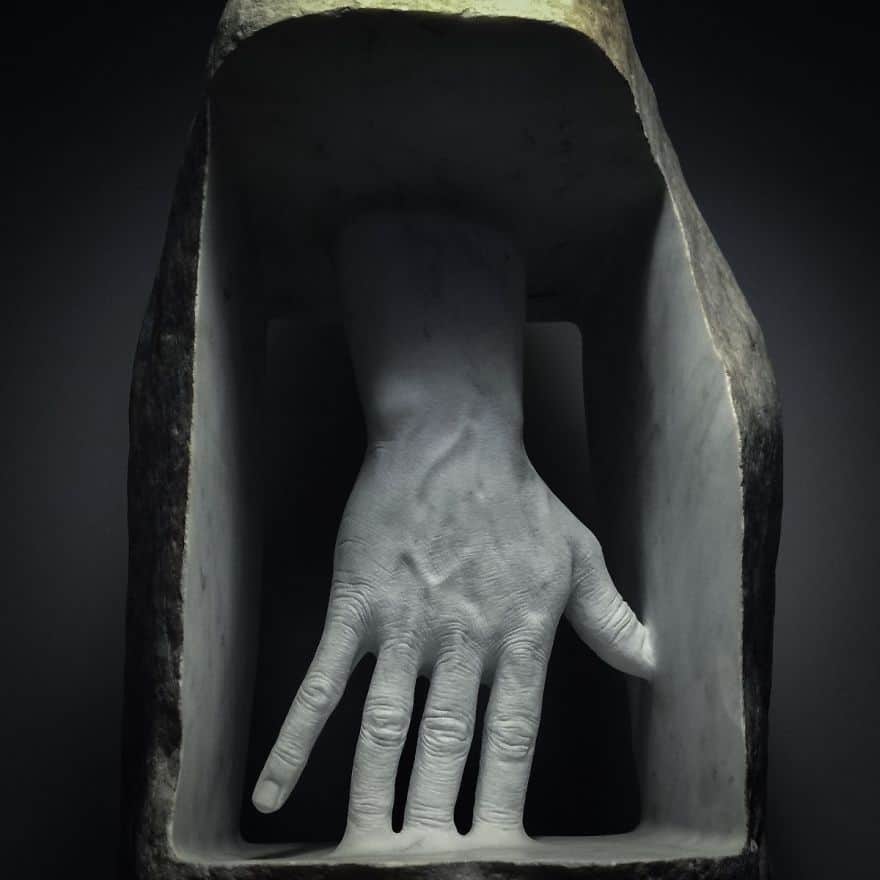
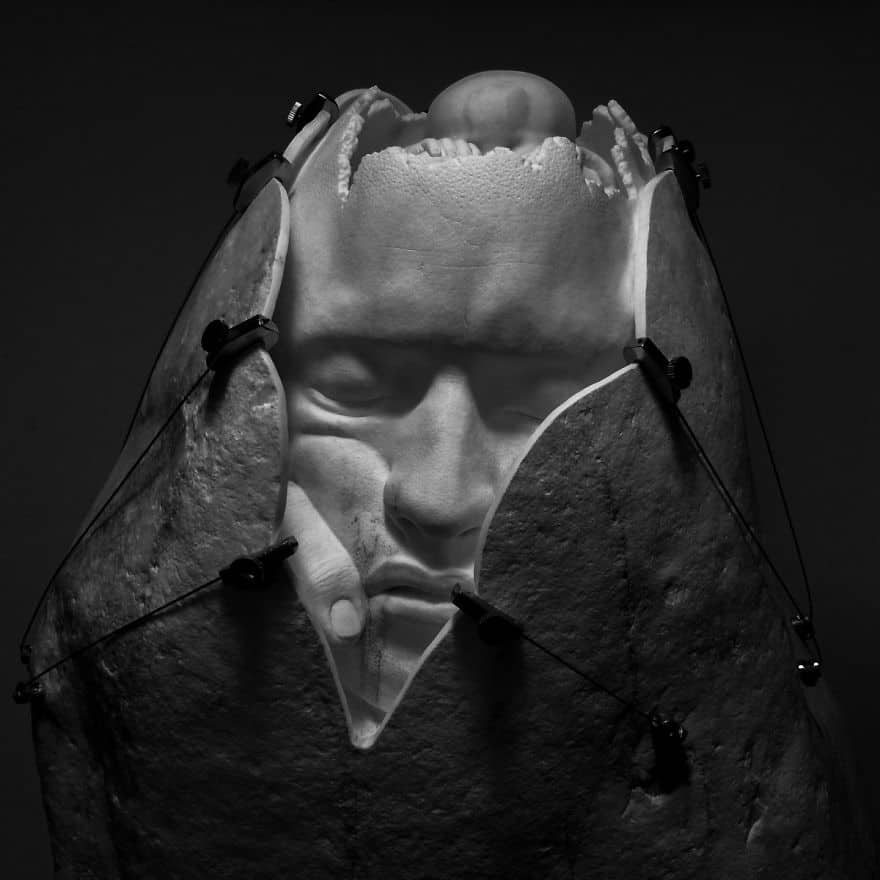
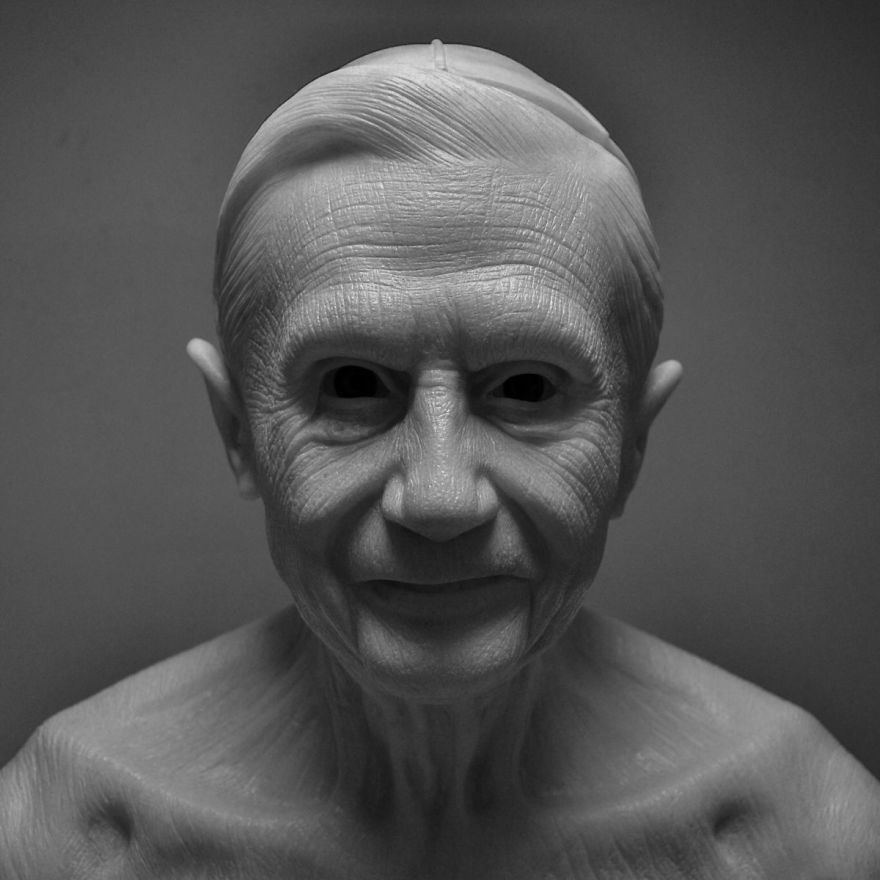
Jago Jacopo Cardillo, 30, is an unbelievable self-taught sculptor from Italy who transforms stone and marble into intricate lifelike pieces and has gained over thousands of individuals as a result of his talent.

Since he had been a child, Jacopo was fascinated with a few of the greats, Michelangelo, and dreamed of getting a modern-day equal of the sculptor. And he’s for sure going in the ideal direction.

His sculptures are incredibly detailed and precise; the artist manages to make pieces that seem not only realistic in contours, bus also light and flowy.

Have a look at some of his works below.

h/t boredpanda

Friday, November 3, 2017

Palazzo Strozzi Presents UFO’s Replicas of Urban Ephemerals From 60s

As part of Florence‘s radical utopias exhibition, the Florence Institute of style international (FIDI) is exhibiting Lapo Binazzi’s string of super-sized inflatable items covered with paradoxical political communications.

Titled the Urboeffimeri, or ‘urban ephemeral objects,’ the originals were first designed by Italian radical group UFO in 1968, featuring phrases that represented themes of anti-war, anti-consumerism, and socialist politics. The bits were constructed using a lightweight polyethylene tubing material and then inflated using modified motors of the vacuum cleaner. Upon them, political comment expressing the youth’s voice for social change was written using duct tape.

Today, first architect and member Binazzi redefines the colors of the images, materials, and measurements remembered from his youth, to create the full size reconstructions despite the fact that the 1960s artifacts have been lost over time. Using black and white 35mm film from the protest, the political communications, form, and kind have recreated by image research aided by the design institute, FIDI.

As the title states, the inflatable inventions were created to provoke a reaction, lasting only for a short while during expositions or for road protests. ‘They had been inflated, served their function, and were immediately deflated,’ clarifies Binazzi.

To mark the 50-year anniversary of the revolutionary movement, the ‘radical utopias’ exposition in Florence has put on screen new variations of their missile-shaped balloons ‘Urboeffimero no. 5’ and ‘Urboeffimero no. 6’.

The exposition remembers a critical interval turning Florence to the focus of a revolution in thinking that had a profound impact on the progression of art in the worldwide level. For the first time in a single venue work from figures and groups like Archizoom, Remo Buti, 9999, Gianni Pettena, Superstudio, Zziggurat, and UFO have been exhibited in hopes to create a dialogue between objects of design, videos, installations, performances and narratives illustrating another possible universe.

‘It cannot be claimed that the objects weren’t a success,’ proceeds binazzi. ‘since the protest that comprised the no. 6 ‘super s’ ended with the ‘s’ shape opening up into twenty-five meters long and two-meter tall tube that blocked the authorities from the escaping students.’

Gallery Strozzina hosts ‘radical utopias’ until 21 January 2018 and is curated by Pino Brugellis, Gianni Pettena, and Alberto Salvadori.

The setup includes a brushed eleven meters long and two-meter tall tube, eventually developing a six-meter high setup. Titled the urboeffimeri, or ‘urban ephemeral objects,’ were featuring phrases which represented the themes of anti-war, anti-consumerism, and socialist politics. The inflatable object, in the courtyard of Palazzo Strozziare, is a replica of 1960 original.