Showing posts with label germany. Show all posts

Thursday, November 8, 2018

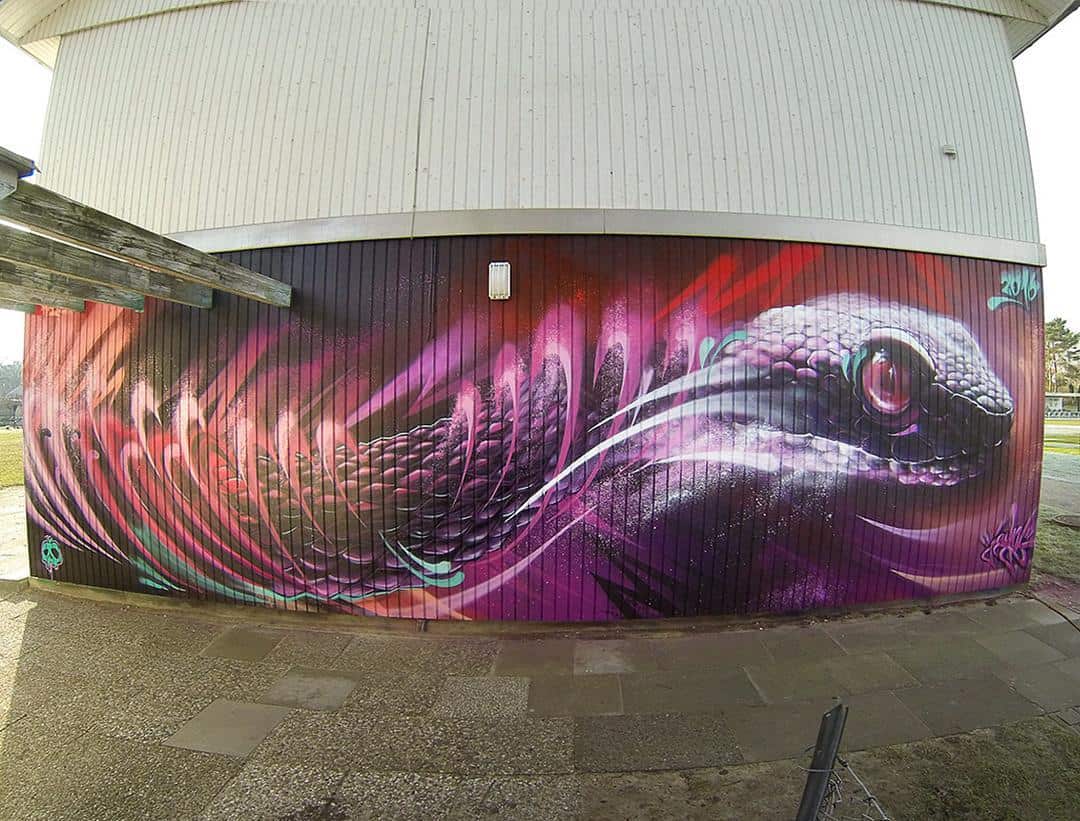
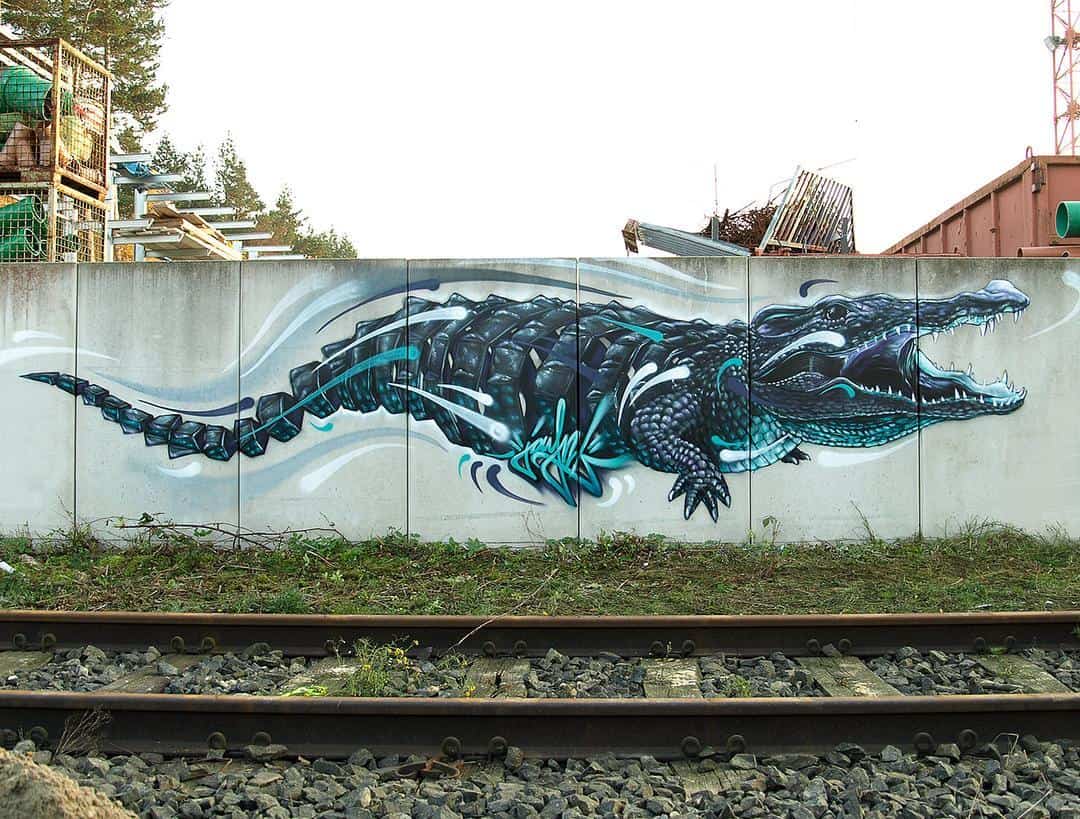
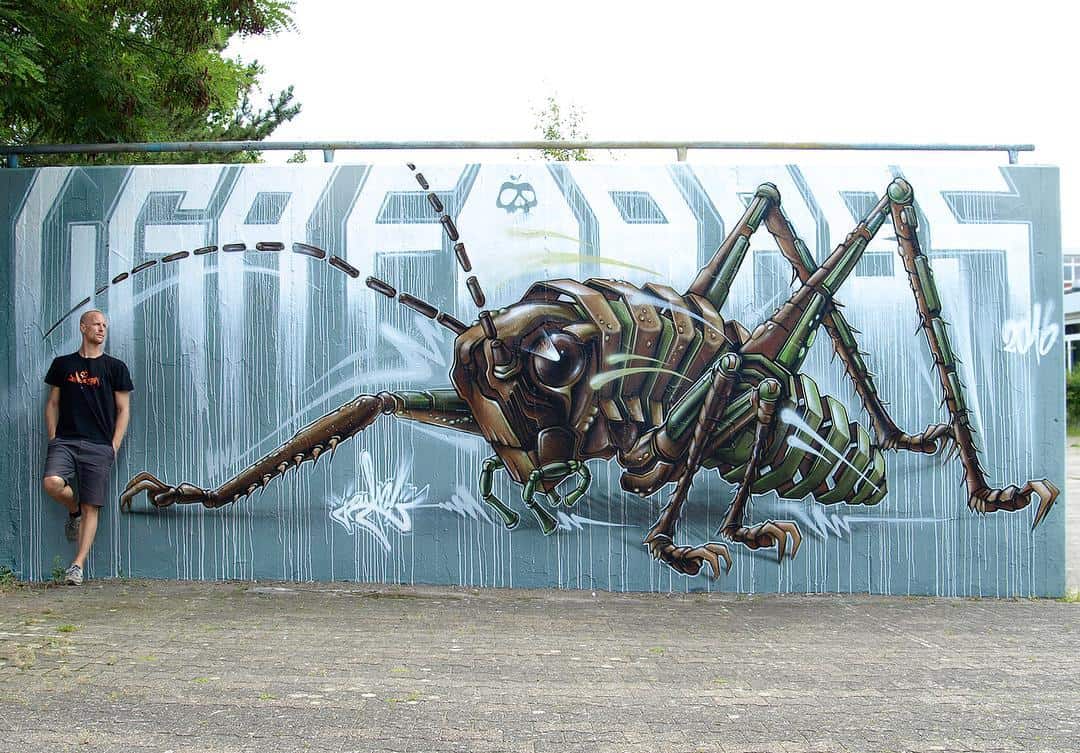
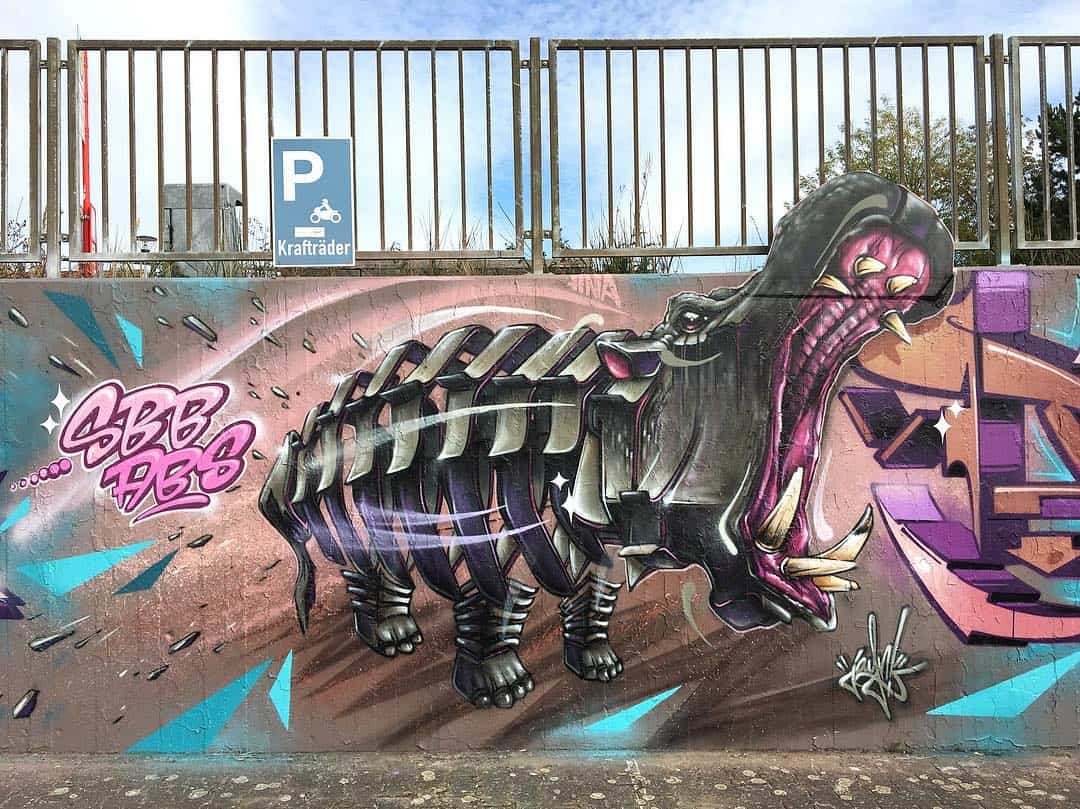
German Street Artist Merges Animals with Mechanical Elements

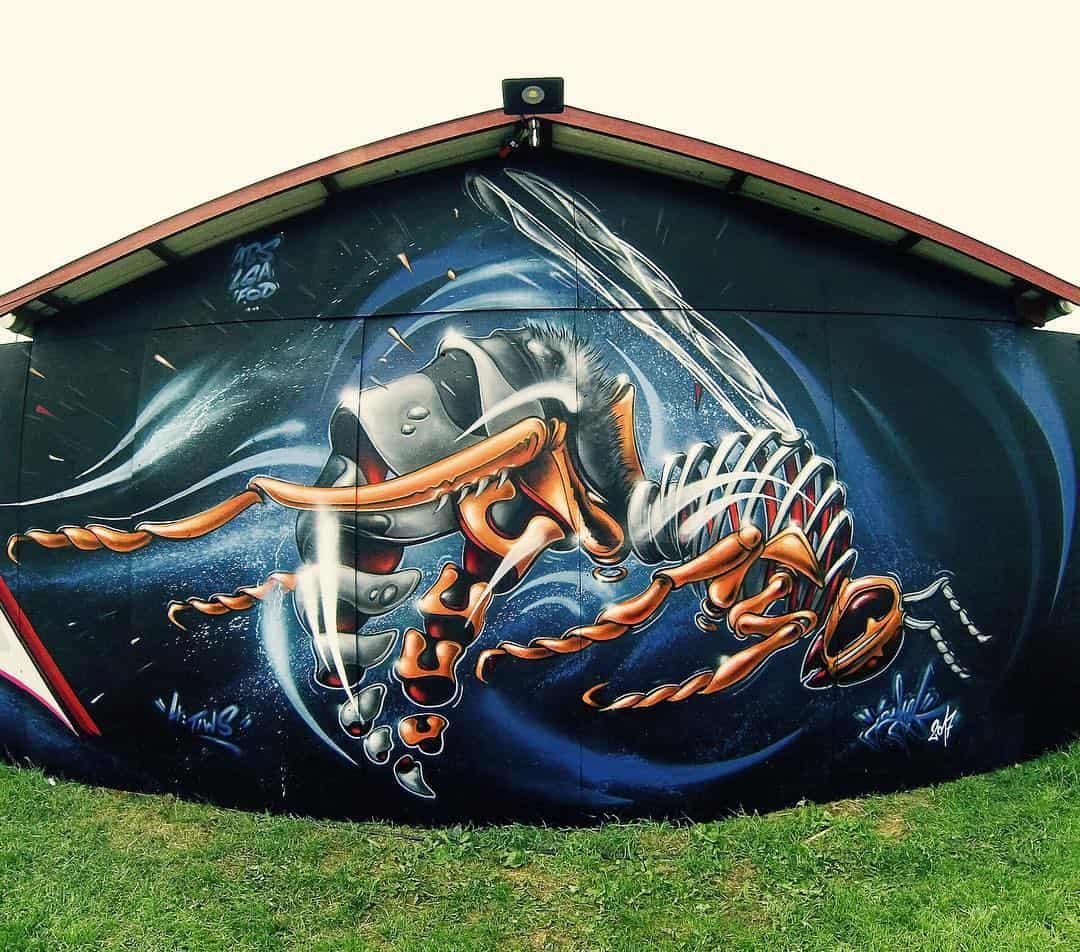
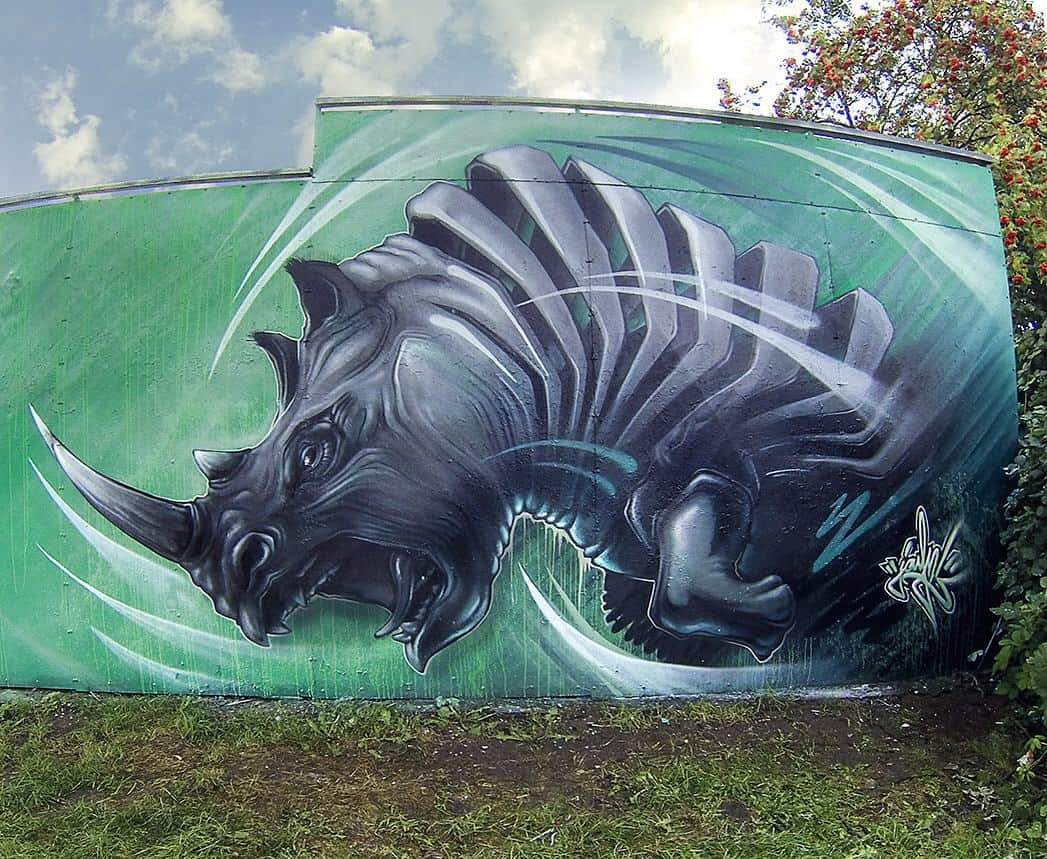
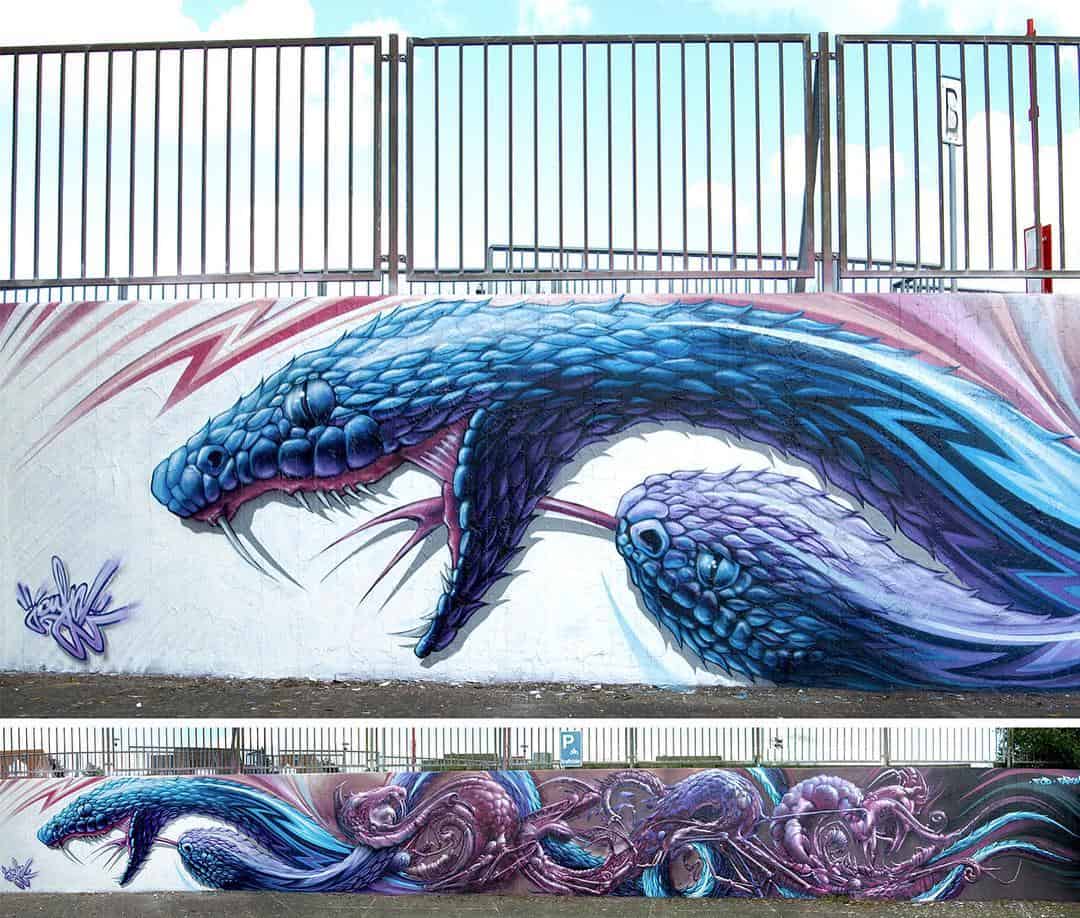
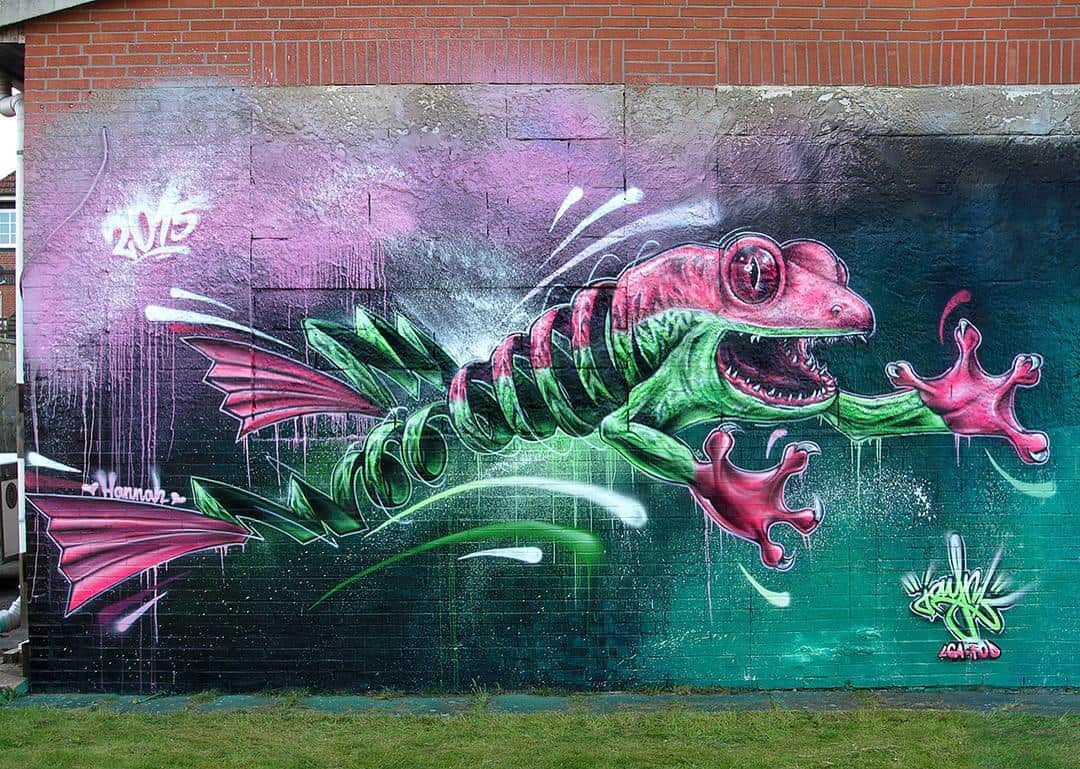
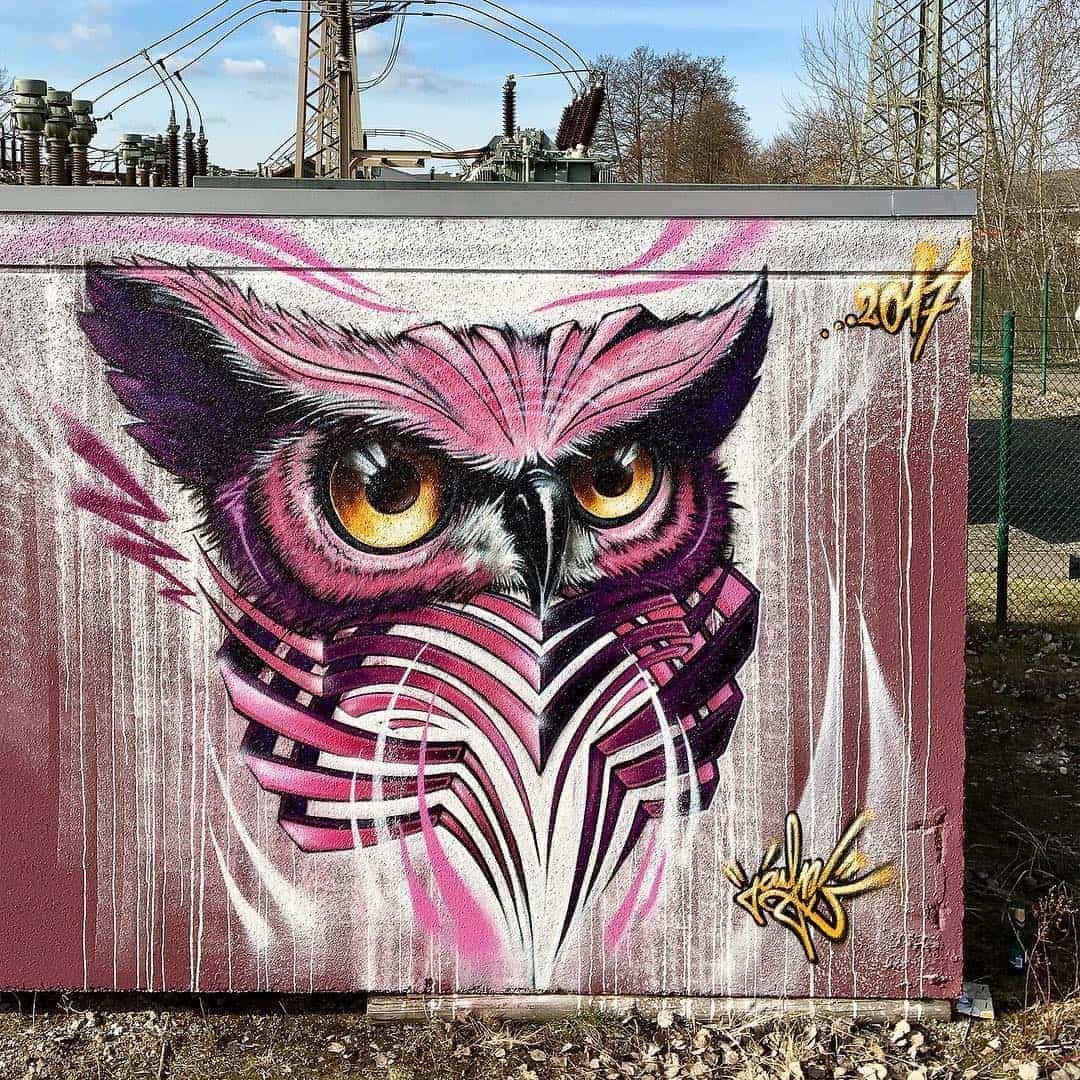
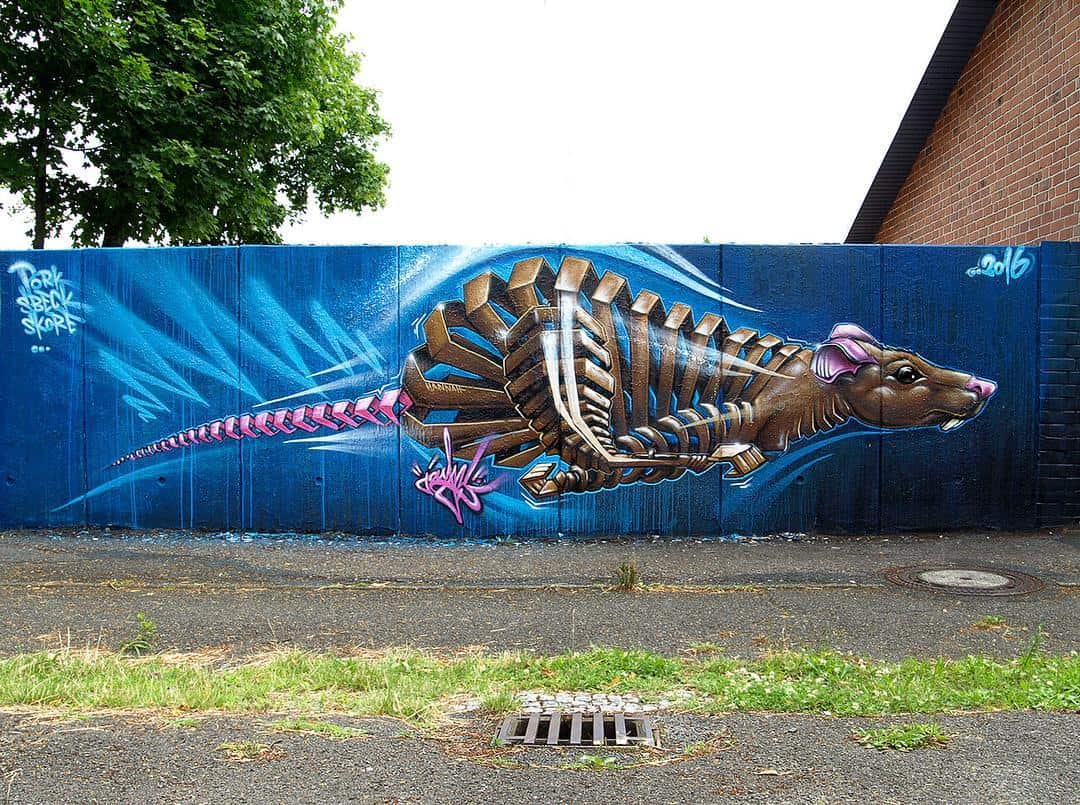
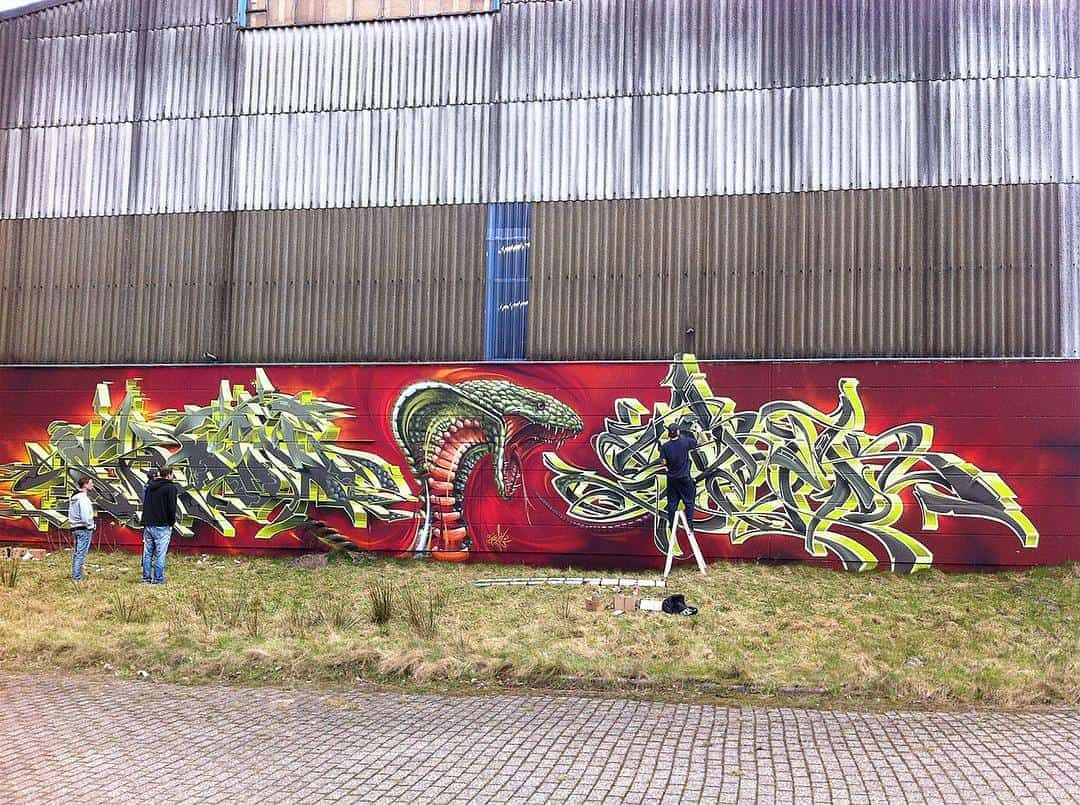
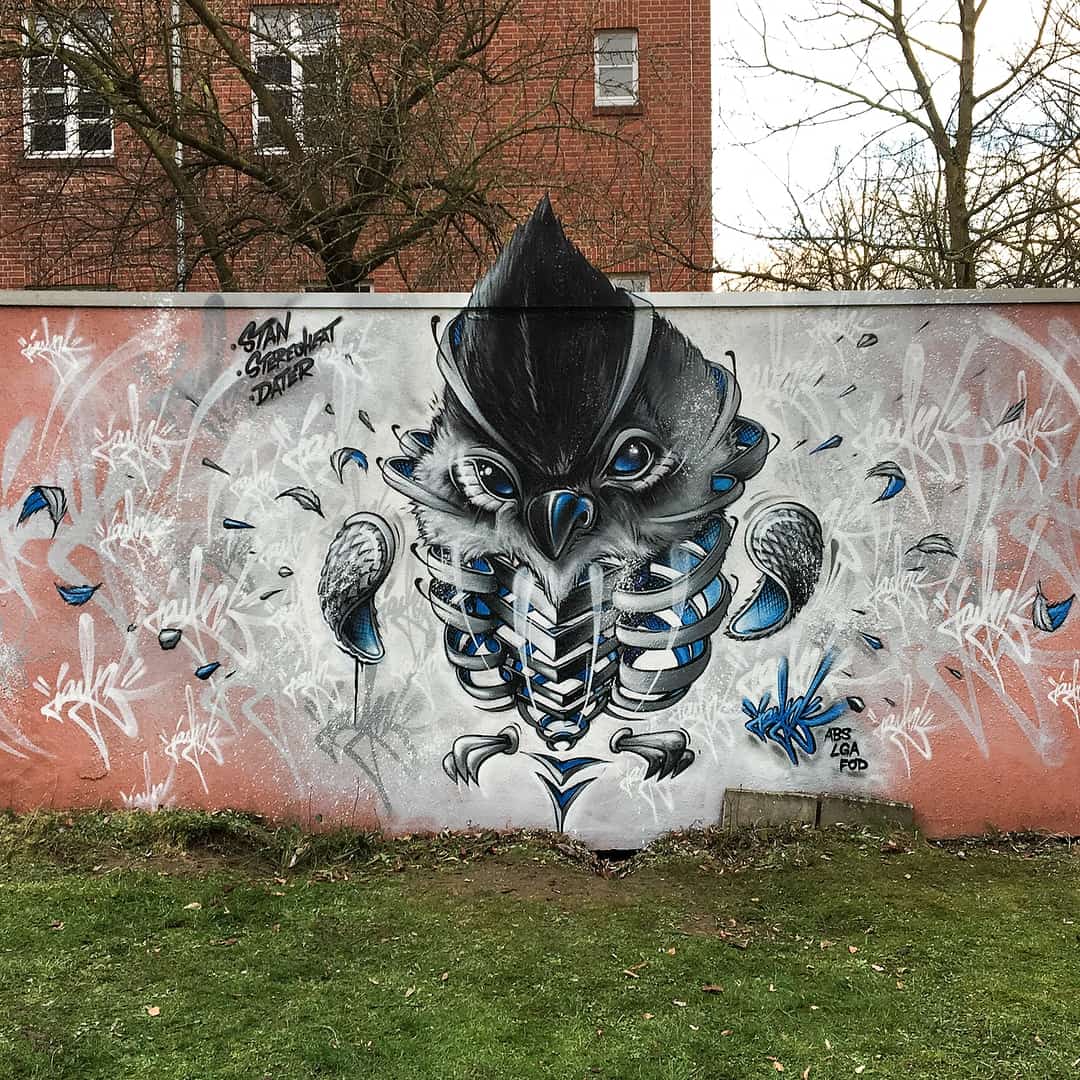
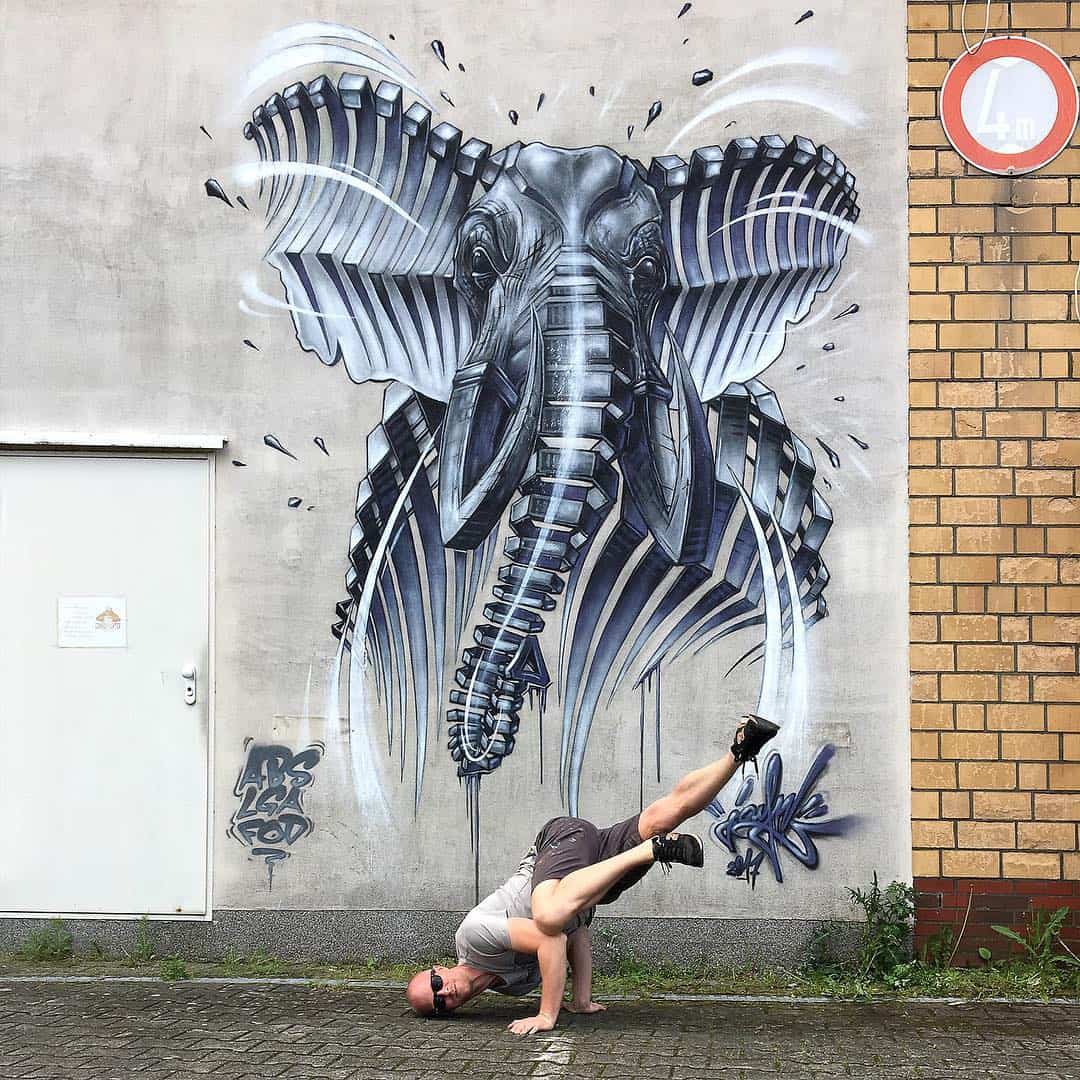
Instagram is one of the best artist’s business card, and we should be thankful for the daily inspiration. In this gifted artist’s Jayn‘s situation, there is, even more, to be grateful for as his amazing sketches turn ordinary buildings to cutting-edge artistry.

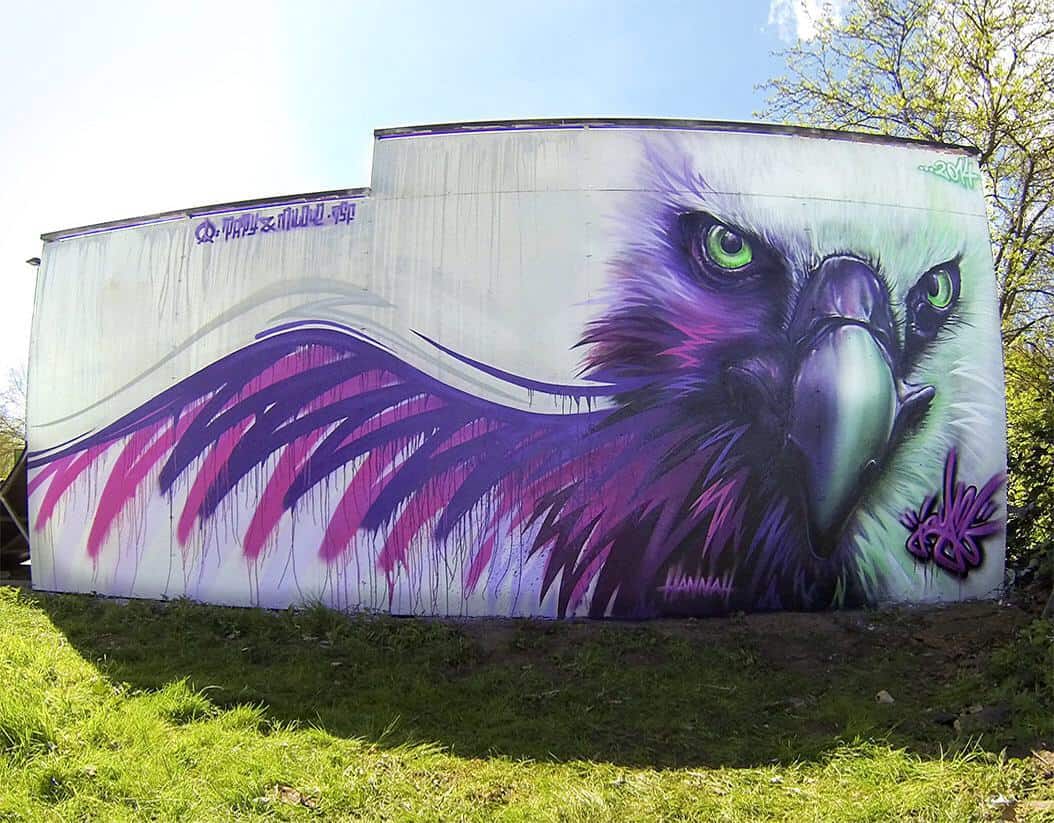
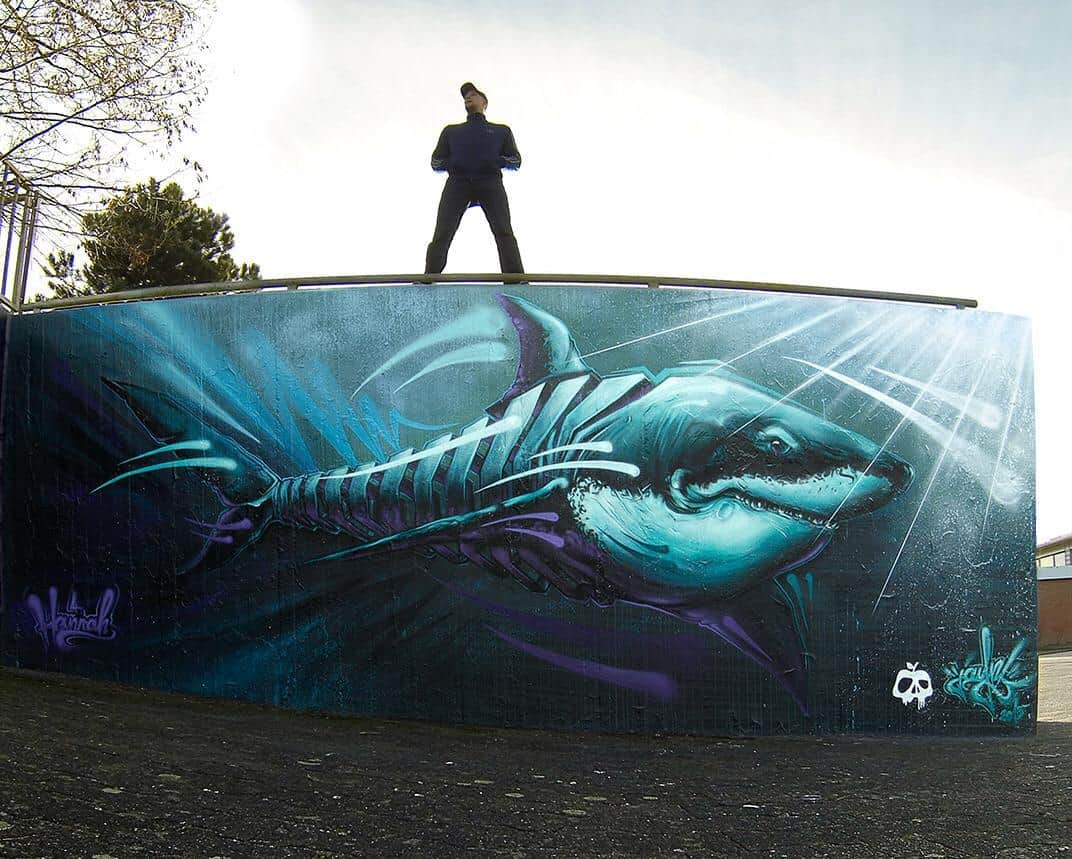
This German graffiti artist caught the attention of over 40k followers with his one-of-a-kind style. Jayn combines lovely illustrations of creatures with harsh, mechanical, and robotic components to make those mesmerizing’chopped’ monsters and then, move them onto the cold, sad walls.

Scroll down to research a number of the most significant examples of urban artistry without even leaving your residence.

The post German Street Artist Merges Animals with Mechanical Elements appeared first on FREEYORK.

Thursday, May 17, 2018

Daewha Kang Design Creates Floating Wooden Structure for an Art Exhibition

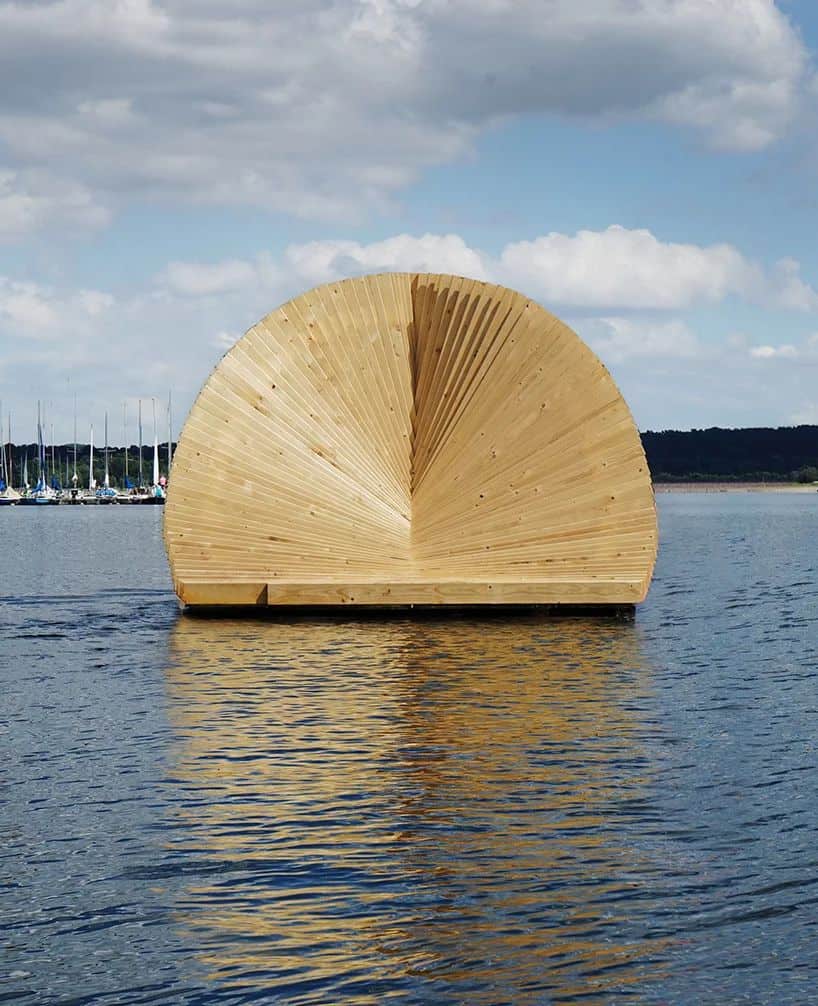
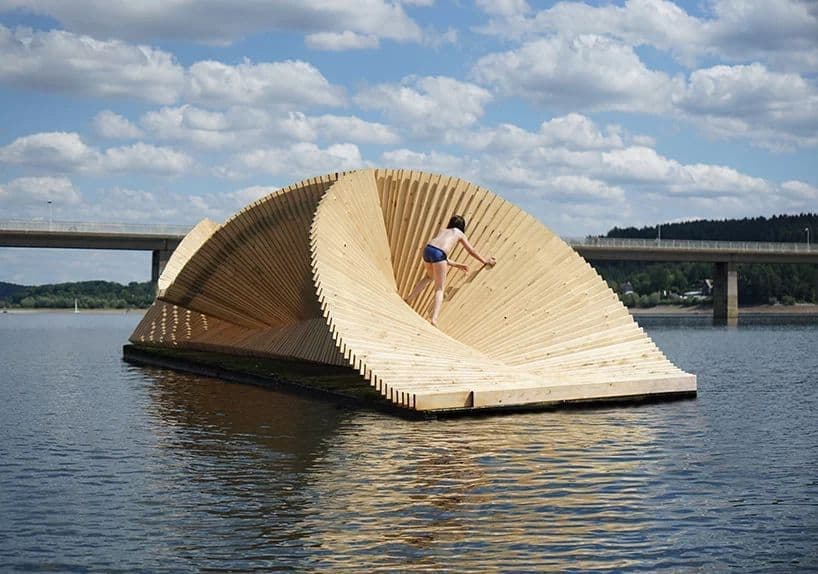
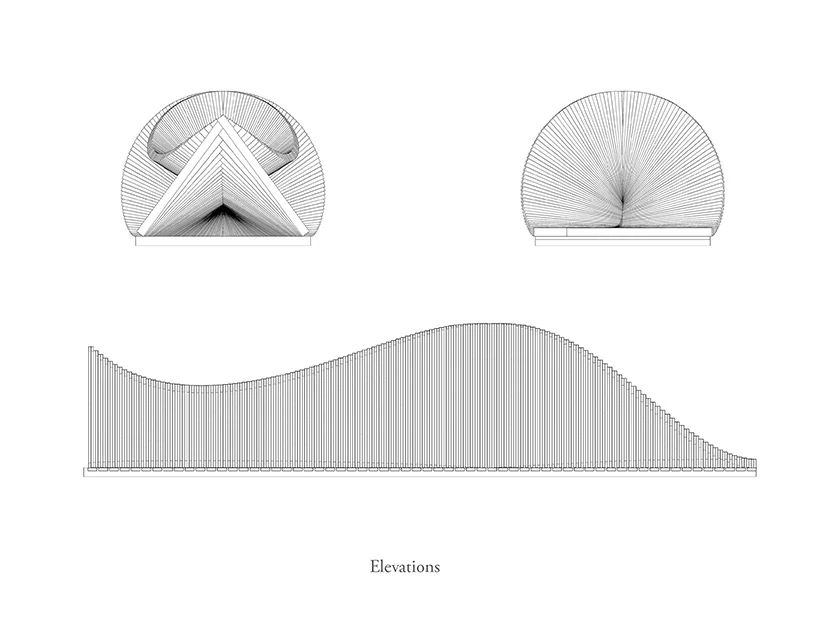
London-based studio Daewha Kang Design has set a floating pavilion as part of the art exhibition ‘Odyssey‘ on the Möhnesee lake, North Rhine-Westphalia, Germany, organized from the Kunstverein Arnsberg museum. The exhibition featured twenty-four artists who were requested to make bits on the lake, beneath the water, or even at the lakeside. Named ‘Circle‘ after the enchanting witch from Greek mythology, the pavilion provides a resting place for visitors as they float from art to art.

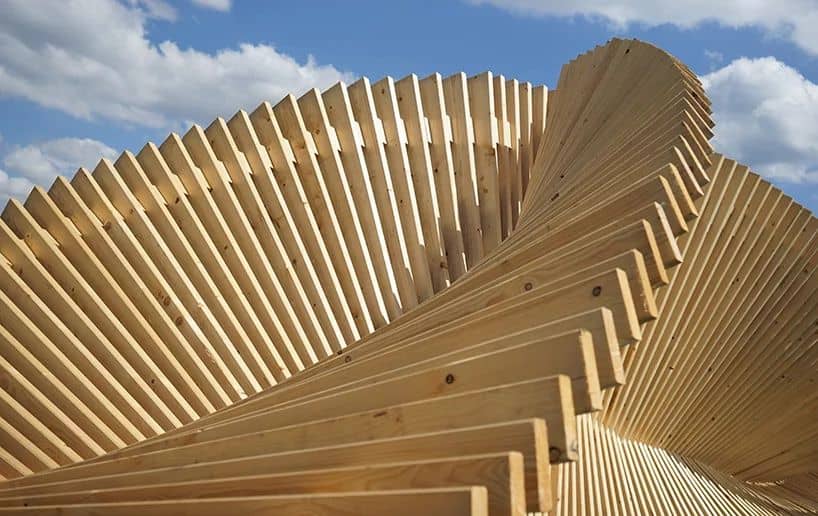
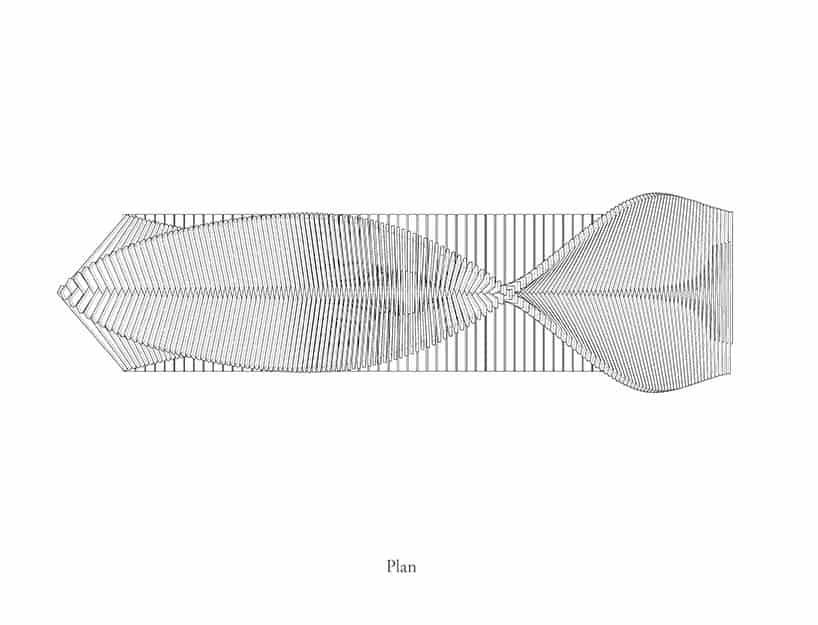
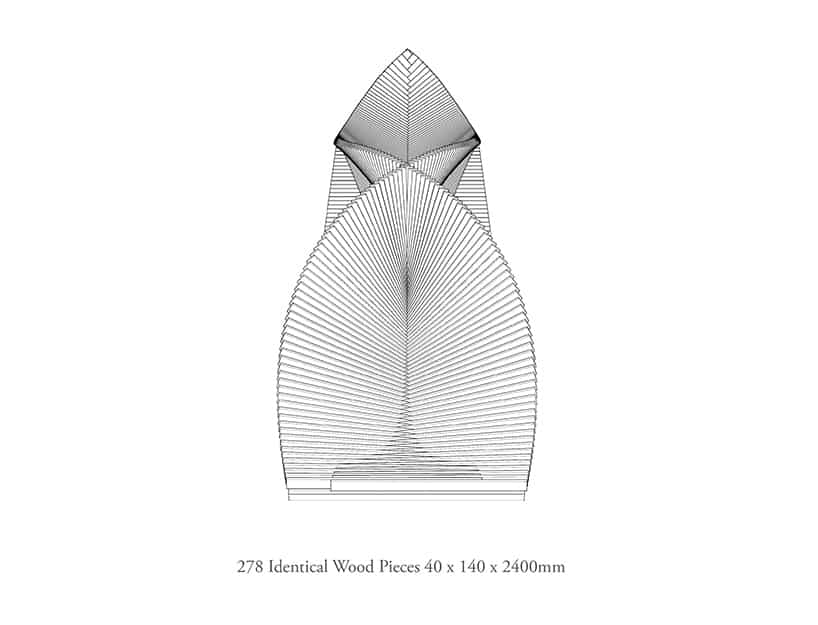
The theme of transformation takes shape throughout the motion of 278 equal pieces of spruce which turn and shift to create forms that are alternately natural and platonic. The expression in the water finishes the shapes, developing a diamond from 1 elevation a circle by the other, and something creature-like in between.

Daewha Kang’s simple structure method of shifting, rotating, and adjusting 8-foot standard Measure 2×4’s supposed that the construction could be constructed by local employees. The alternating rhythm produces a surprising assortment of qualities — by the look of a solid disc when seen directly on, to an ethereal and transparent screenwork from the side. The parametric design was fundamental to the conception and realization of circe, but ultimately the aim and the result was to create a sense of wonder, mystery, and delight.

h/t www.designboom

The post Daewha Kang Design Creates Floating Wooden Structure for an Art Exhibition appeared first on FREEYORK.

Tuesday, March 6, 2018

Self-Sustaining Yin & Yang House Let’s Owners to Grow Food on Its Terraced Roof

Architecture studio Penda has released visualizations of a house developed for a very small plot close to the German city of Kassel that show just how its owners will have the ability to develop food on both sides of its terraced roof.

The studio based on architects Chris Precht and Dayong Sun designed Yin & Yang house for a young family that wants to live and works in the countryside.

The customers also wish to reside off-grid and are targeting a self-sufficient lifestyle, meaning they plan to produce most of their food in the home.

The compact nature of the website meant that the only space available to grow vegetables, fruit, and vegetables is the roof. Penda so designed the roof as a series of terraces incorporating planters which will make a usable garden occupying the majority of the building‘s footprint.

“Whenever architects were designing a building, they take away an area that used to belong to nature,” said the studio, which includes offices in Beijing in China, as well as from the countryside near Salzburg in Austria.

“We strive to give this distance back to plants on the roof. At the same time, we provide a gardening program for those owners together with greenhouses in winter and rows of planters for the rest of the year.”

The building‘s form contains two interlocking segments that specify the living areas along with a dedicated workspace. The shape is based on the logo for yin yang — a Chinese philosophy that clarifies how apparently opposing forces can combine to make a balanced and stronger whole.

The unusual roof shape features stepped levels that descend in the middle of the house, evoking the way mountains rise on both sides of a valley.

Straight walls enclose the roof garden on either side while curving surfaces sweep down from the opposing corners towards the middle of the construction.

The sloping roof will channel rainwater towards a tank, in which it could be saved and used to water the crops. Through the entire year, the plants on the roof will vary with the seasons, shifting the building‘s appearance and improving its connection with nature.

The house will incorporate a covered car-parking distance where an entry at the center of the construction leads into a circulation area providing access to the various living and working spaces.

A double-height office located at the front of the house comes with a staircase ascending into a mezzanine that may be used as a second workspace or a model-building workshop.

The open dining and kitchen room is positioned in the opposite corner of the office, beside the master bedroom. This double-height area is going to be lined with big windows looking onto the encompassing character.

Steps constructed into the timber joinery will provide access to the rooftop garden through entry doors set to a dormer. The dormer’s roof will accommodate a decked terrace overlooking the backyard.

Penda co-founder Chris Precht said the job is informed by his lifestyle in the hills of Austria, from where he can handle a worldwide studio when enjoying the benefits of rural living. Structure of Yin & Yang house is scheduled to begin in mid-2018.

The studio‘s past projects have included a modular construction system which can be used to create customizable plug-in micro homes, and also a proposal for that a timber-framed high rise in Toronto featuring platforms for developing trees and plants.

The post Self-Sustaining Yin & Yang House Let’s Owners to Grow Food on Its Terraced Roof appeared first on FREEYORK.
Frozen Landscapes of Germany’s Winter by Kilian Schönberger

German photographer Kilian Schönberger is notorious for capturing otherworldly images of their natural environment. Schönberger clarifies the mysterious quality of his Winter‘s Tale series in the mountain ranges of Germany: “Winter was the time when stories and legends have been told in the home, the whole family sitting around the tiled stove. The mysterious figures are only waiting in front of the doorstep, freeze and snow seem to create trees alive.”

The photographer shares with Colossal that harsh conditions are part of the game when shooting outside during the winter. Schönberger treks in with snowshoes or cross-country skis, and sometimes waits two hours or more in frigid temperatures for the right shot while battling shortened battery life and fickle sunlight that is needed to illuminate a scene without melting the delicate frost. In addition to his Behance portfolio, you can see more of Schönberger’s work on his website and Instagram.

The post Frozen Landscapes of Germany’s Winter by Kilian Schönberger appeared first on FREEYORK.
Tuesday, October 10, 2017

Photographer Robert Götzfried Captures Bowling Alley Design in Southern Germany

German photographer Robert Götzfried seeks out a unique architecture for series that focus on one particular element of a culture or location. Previous projects have documented the pipe organs of 20 German Catholic churches, witnessed the creative development of Cambodia’s roadside barber shops, and seized abandoned storefronts which exist around Australia.

For the past couple of years, Götzfried has focused on photographing the design of bowling alleys and “Kegelbahnen” across Southern Germany, the majority of which exist from the ’60s, ’70s, and ’80s. Kegeln is a German sport very similar to bowling, nevertheless with bigger balls, only two inches, and shortened lanes. The sport has come from popularity, and many of the photographed lanes’ quality has decreased with the times. You can see a bigger selection of Götzfried’s photographic projects on his website, Instagram, and Behance.

h/t This Isn’t Happiness

The post Photographer Robert Götzfried Captures Bowling Alley Design in Southern Germany appeared first on FREEYORK.